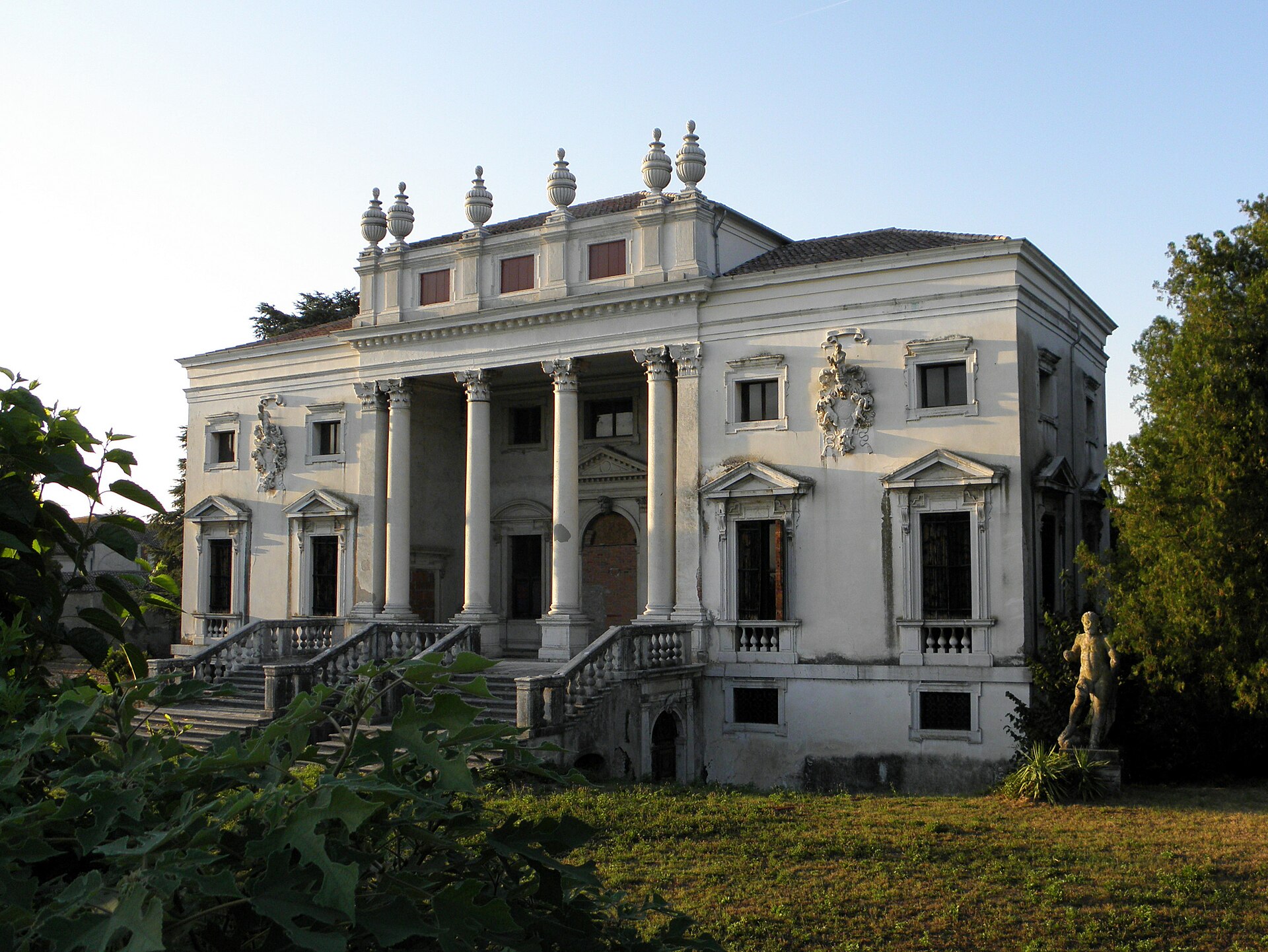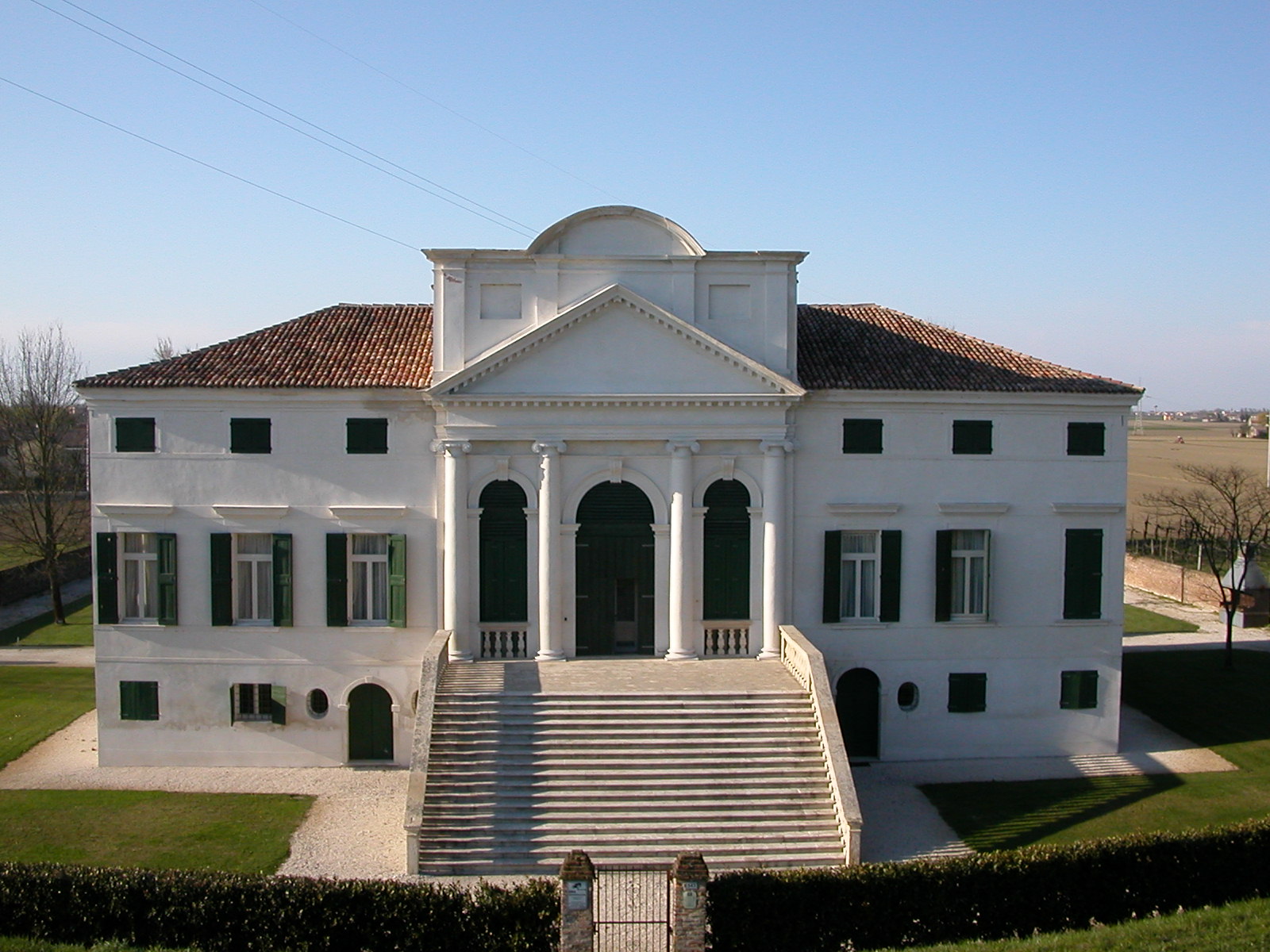
On the left bank of the Po, at Polesella, stands a villa linked to one of the most celebrated Venetians of the 17th century. According to MuseiOnline it was built towards the end of the 16th century to a design by Vincenzo Scamozzi, Palladio’s pupil. The new building absorbed a 15th-century Ferrarese residence.
The Baroque face
The façade originally had a mock portico with four Ionic columns. In the Baroque era, under the direction of the architect Antonio Gaspari, it was remodelled with the addition of a curved pediment.
The villa belonged to the Morosini, and in particular to Francesco Morosini, known as “il Peloponnesiaco” (the Peloponnesian), doge and military commander of the Venetian Republic (the Serenissima). Inside are frescoes attributed to Louis Dorigny and marbles by the sculptor Filippo Parodi. Its position on the river made Venice easy to reach by water.
The rout at Polesella
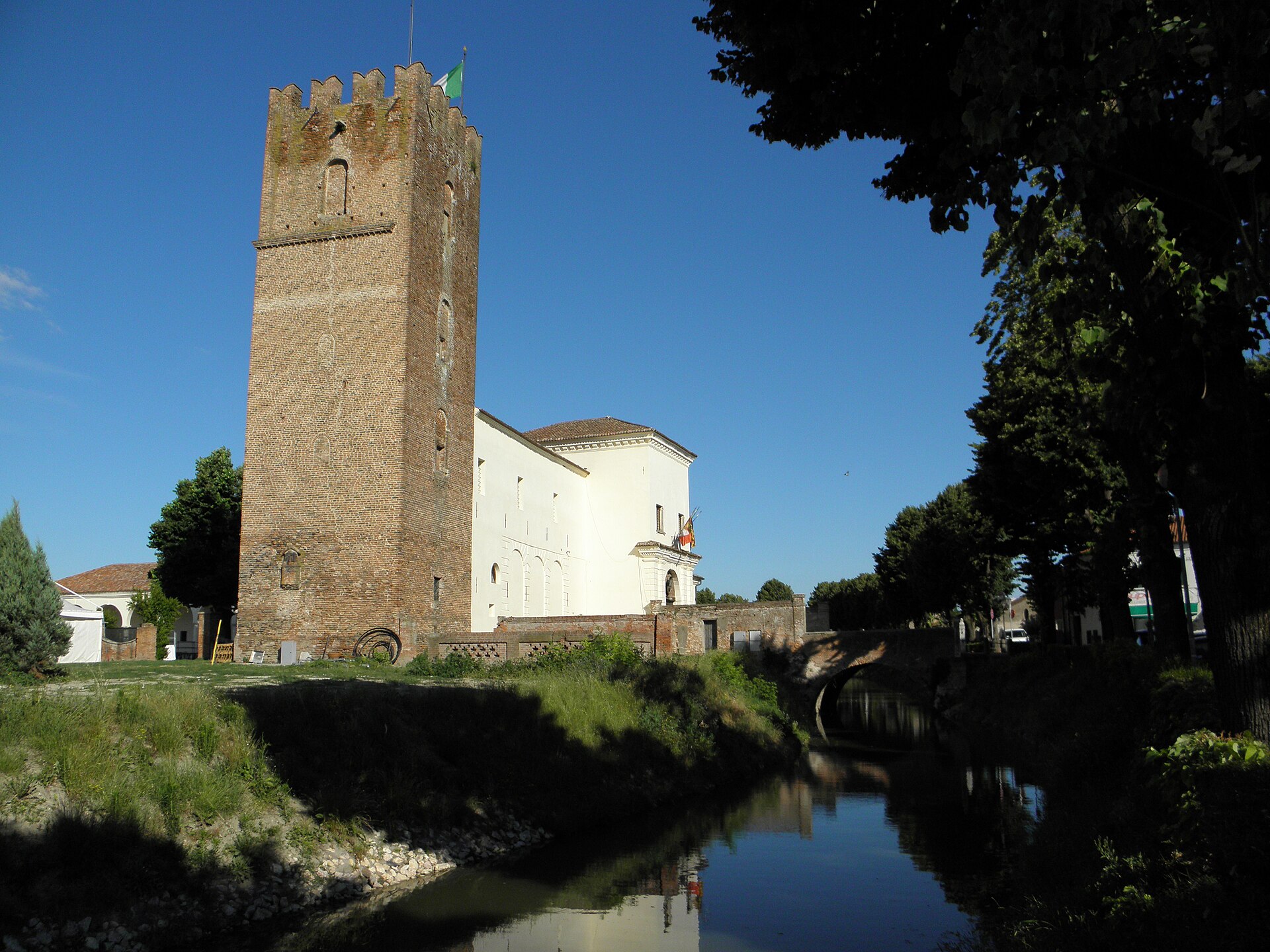
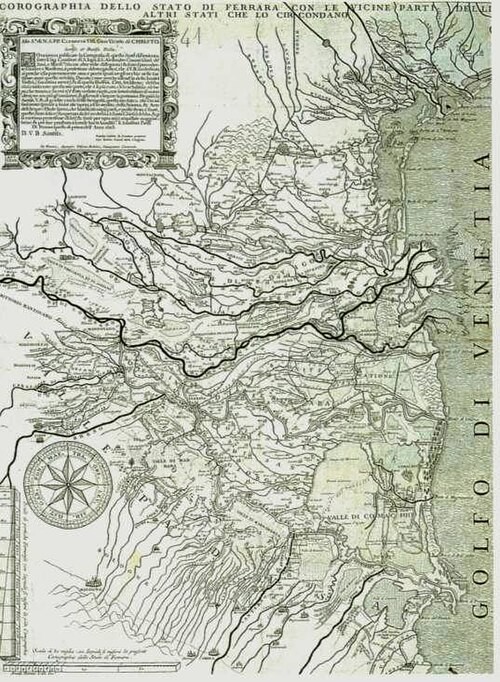
This very stretch of the Po was the scene of a disaster for Venice. It was 22 December 1509, in the thick of the War of the League of Cambrai. A Venetian fleet of 17 galleys, led by Angelo Trevisan, sailed up the river to threaten Ferrara. High water had lifted the ships level with the embankment.
At dawn the Ferrarese artillery opened fire from the bank without warning. It was commanded by Cardinal Ippolito d’Este, brother of Duke Alfonso I.
The Este forces captured 15 galleys. Venice counted more than two thousand dead, killed or drowned. Trevisan managed to escape, but was put on trial in Venice. One source describes that day as “more a massacre than a battle”.
For Ferrara, by contrast, it was a triumph. The chronicles report that Duke Alfonso I returned to the city to a festive welcome from the court and from his wife, Lucrezia Borgia.
Art of yesterday and today
Today the villa houses the Carrain collection, devoted to post-war artists such as Emilio Vedova, Giuseppe Santomaso and Renato Guttuso.
So, in the rooms that look onto the river, the 20th century converses with the 17th. And from the embankment you can still imagine the fleet slowly working its way upstream, unaware of what awaits it.