
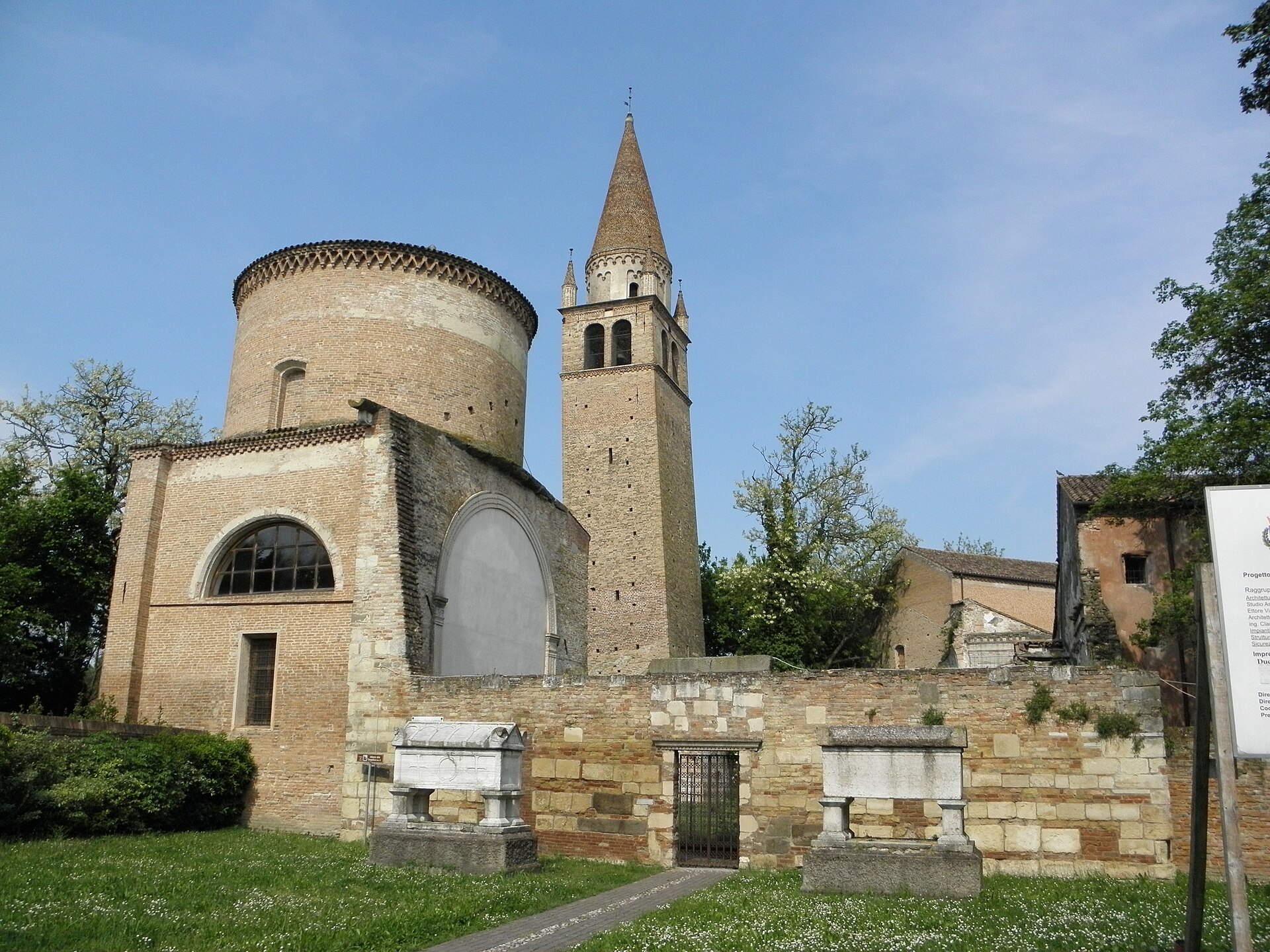
Abbey of the Vangadizza
The abbey that was both lordship and diocese
Badia Polesine is named after an abbey that was once a fief and a diocese. Its cloister, apse and leaning bell tower still hold that memory.
A thousand years of a diocese with two cities
The Diocese of Adria-Rovigo has two cathedrals and an unusual story: a bishop who, for a millennium, was Bishop ‘of Adria’ while living somewhere else. It is a story of short distances and very long spans of time. To understand it, you have to start in Adria, the ancient port that gave its name to the Adriatic.
That is where the diocese was born. Tradition traces its Christian roots to St Apollinaris. The first documented bishop is called Gallonisto: in 649 he attended the Roman synod of Pope Martin I. For more than eleven centuries the diocese remained a suffragan of the Archdiocese of Ravenna, that is, under its metropolitan authority.
The key moment for Rovigo came in the 10th century. According to the diocesan archive, Bishop Paolo, with the permission of Pope John X, moved his residence from Adria to Rovigo, ‘a healthier and safer city’.
So began a double identity that would last for centuries. The official seat and the Curia, the diocese’s administrative headquarters, stayed in Adria. The bishops, however, lived in Rovigo. That is why the Duomo of Santo Stefano was given a chapter of canons. Even in the 19th and 20th centuries the diocese would still have two bishop’s palaces, one in each city.
In 1484, with the Peace of Bagnolo, the territory passed to the Venetian Republic (the Serenissima). The relationship with Venice would not always be easy: in 1639 Venice went so far as to seize the assets of the Mensa vescovile, the endowment that supported the bishop.
In July 1563 the Council of Trent decreed that every diocese should have a seminary to train its priests. The Bishop of Adria, Giulio Canani, had taken part in the council. On his return he called the synods of 1564, 1566 and 1567, and a long debate began: should the seminary be in Adria or in Rovigo?
The answer came in 1592. Bishop Lorenzo Laureti chose Rovigo and bought a modest house near the Duomo. Two centuries later the seminary found a new home in the former friary of the Augustinian Hermits of Sant’Agostino, on Via Sichirollo, rebuilt between 1779 and 1794.
In 1818 Pius VII’s bull ‘De Salute’ detached the diocese from Ravenna and assigned it to the Patriarchate of Venice, of which it is still a suffragan.
The step that closed the circle came in 1909. Bishop Boggiani moved the Curia to Rovigo, where the bishops already lived permanently. Part of the chapter archive moved with the Curia. After a thousand years, the offices finally caught up with their bishop. In 1941 the city would also gain a new bishop’s palace.
On 30 September 1986 the diocese took its present name of Adria-Rovigo. It was the recognition of a fact centuries old. The cathedral remains that of Santi Pietro e Paolo in Adria, while Santo Stefano in Rovigo became a co-cathedral, in 1986 or 1987 according to the sources. The patron saint of the diocese is San Bellino.
Today the diocese has 109 parishes across 1,193 square kilometres. Since 2015 its bishop has been Mgr Pierantonio Pavanello. The Curia is based at Via Sichirollo 18, in Rovigo, on the same street as the former 18th-century Seminary.
This story is not locked away in the archives. You can read it as you walk through the centre. Start at the Duomo of Santo Stefano, the canons’ church, with its façade never finished. Continue along Via Sichirollo, between the Curia and the former Seminary born of the Council of Trent. Then come the Rotonda, whose first stone was laid in the presence of Bishop Laureti, and the Church of San Domenico, reopened for worship by Bishop Molin after the fall of Napoleon. At San Bartolomeo, in the wooden choir, the coats of arms of the bishops from 1318 to the present day wait to be read one by one.
Each stop is a chapter in the Rovigo of the bishops. All you have to do is set off.
The abbey that was both lordship and diocese
Badia Polesine is named after an abbey that was once a fief and a diocese. Its cloister, apse and leaning bell tower still hold that memory.
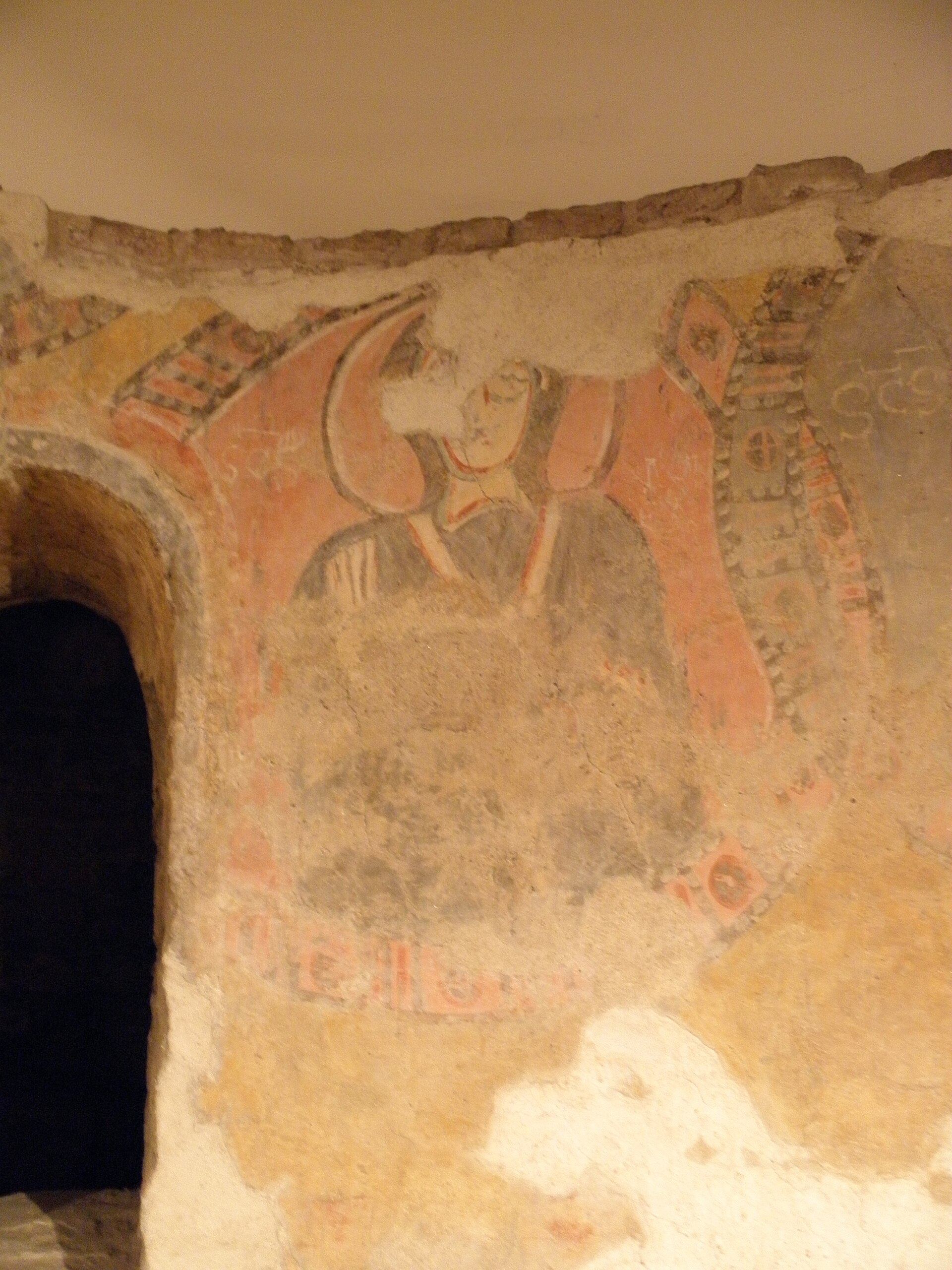
Two cathedrals and six apostles underground
In Adria two cathedrals face each other a few steps apart. Beneath, a frescoed chapel with six apostles keeps over a thousand years of faith.
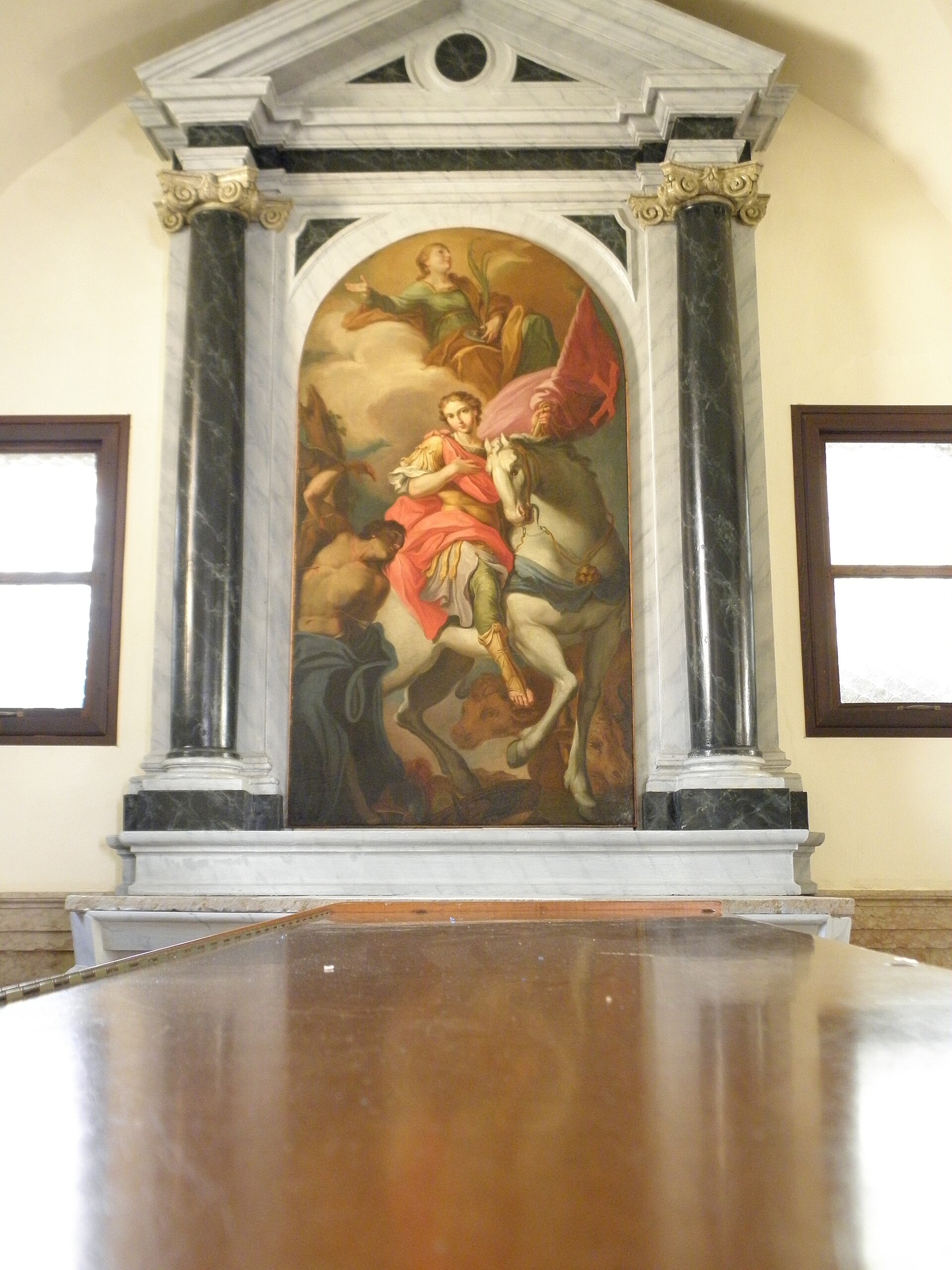
The oratory born with the first Franciscans
A stone’s throw from San Francesco, a 15th-century oratory stands where the first friars built a chapel. Inside: white columns and an old Madonna.
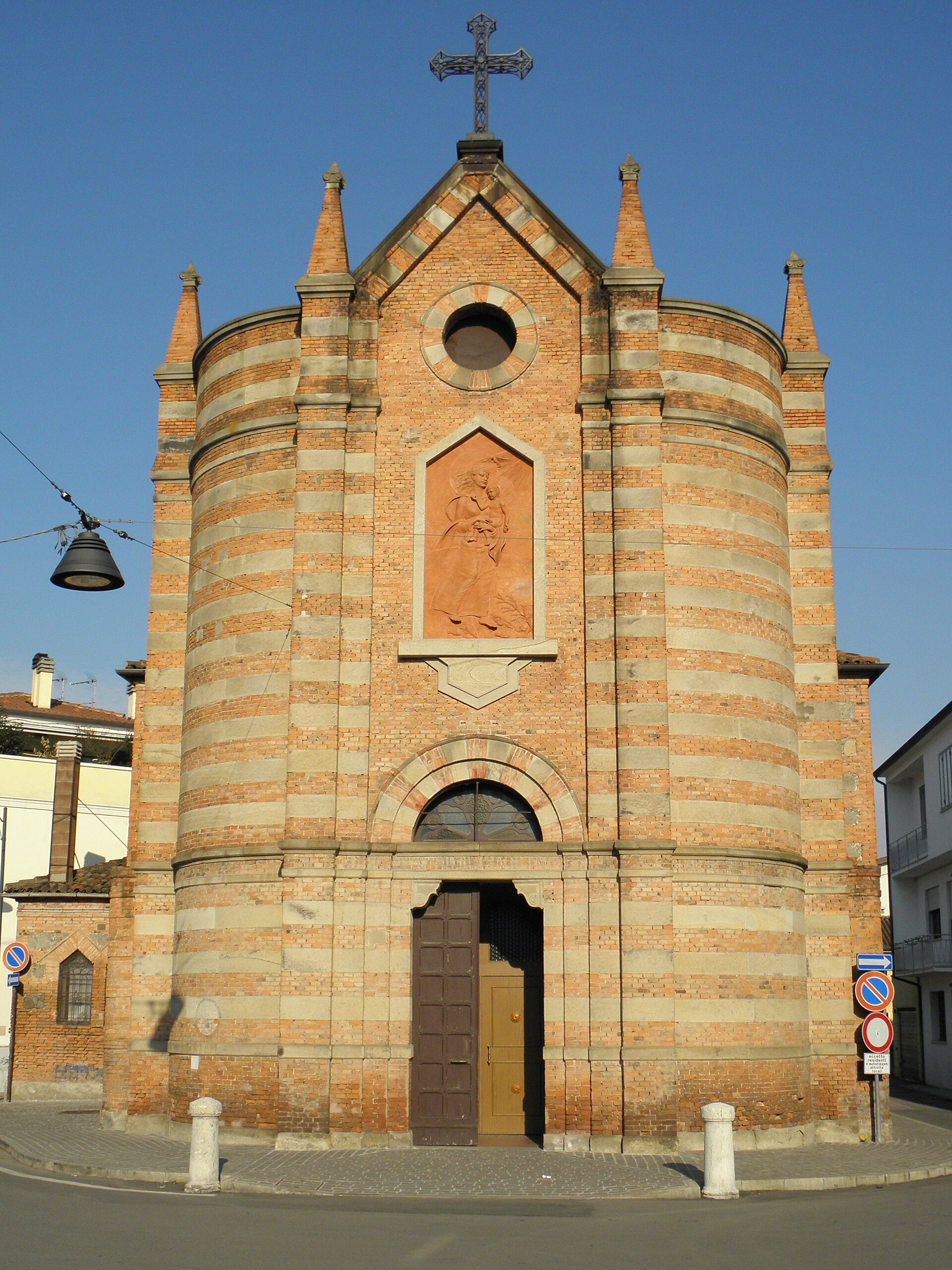
A Madonna of Pompeii in Rovigo’s poorest quarter
The Fosse were a poor, unhealthy quarter of old Rovigo. Here, in the early 1900s, a two-tone chapel rose for the Madonna of Pompeii.
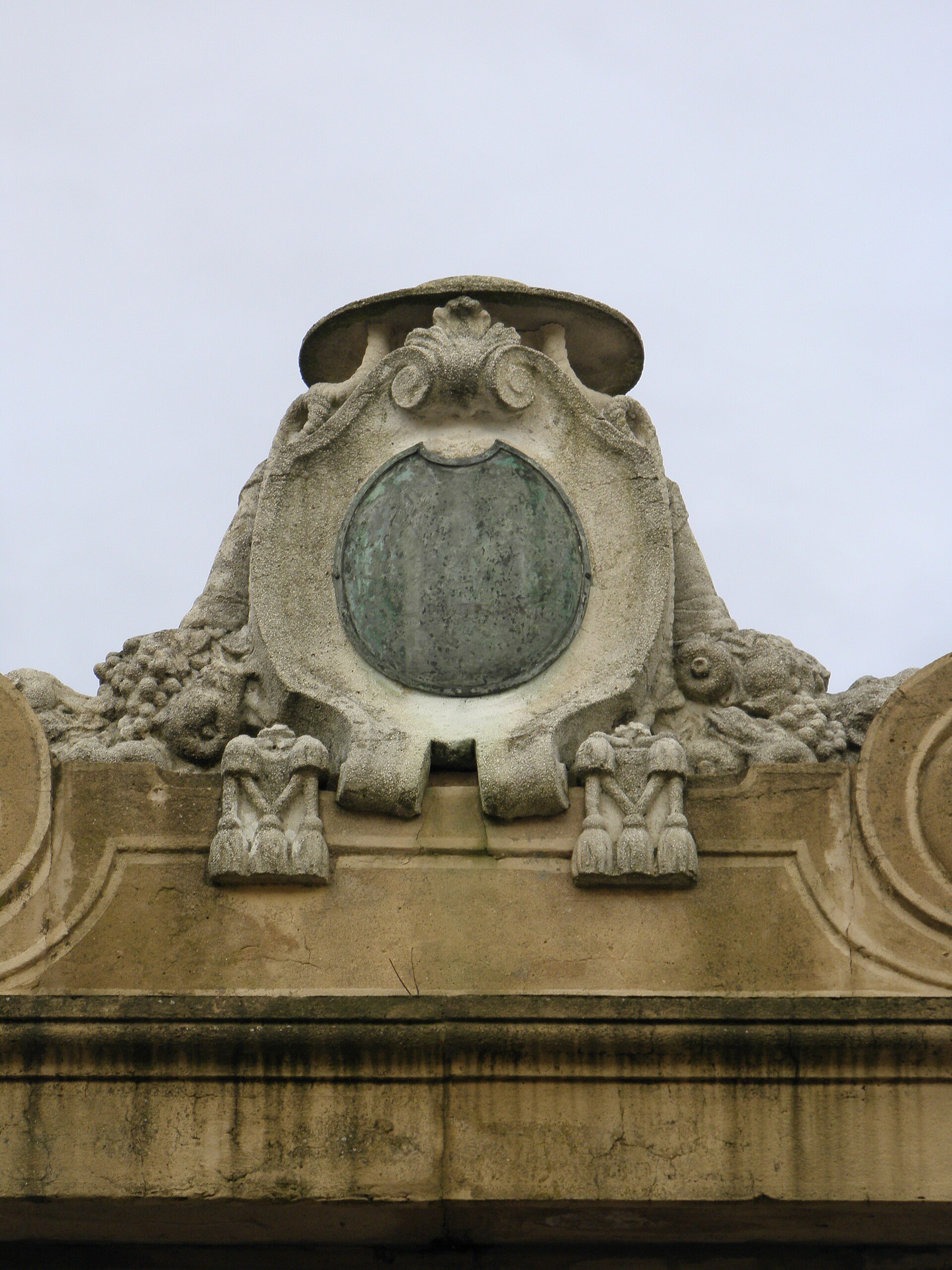
A thousand years to move from Adria to Rovigo
The Bishop of Adria lived in Rovigo from the 10th century, but the Curia only followed him in 1909. The story of a move that took a thousand years.
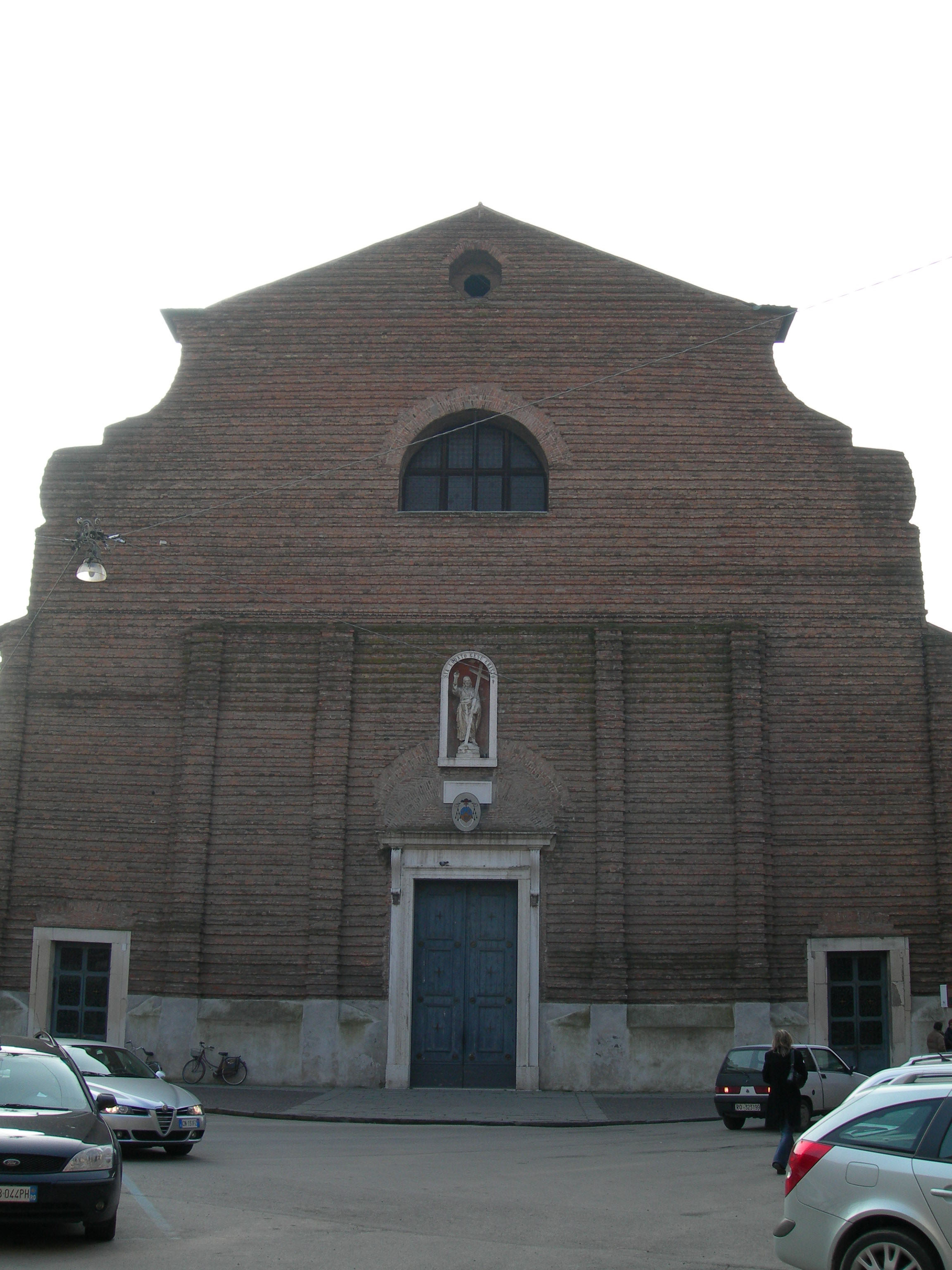
The bishops’ church, with a façade never finished
The bishops of Adria prayed here for a thousand years. An octagonal dome, an unfinished façade, 16th-century treasures: Rovigo’s co-cathedral.
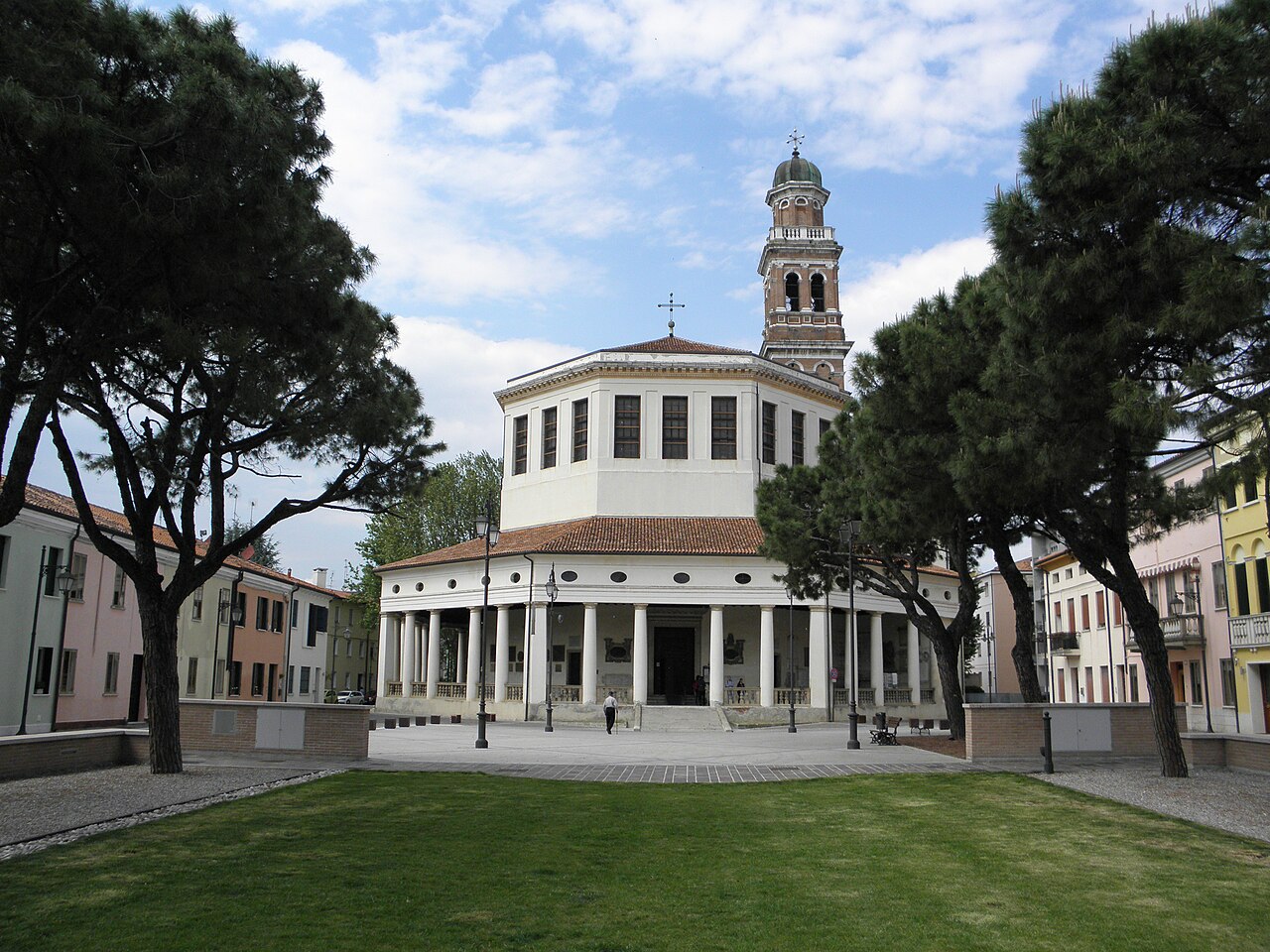
Two octagons for a Madonna with a rose
A miraculous fresco, two octagons one inside the other, sixty years of great Venetian painting: the Rotonda is faith and Venetian power.
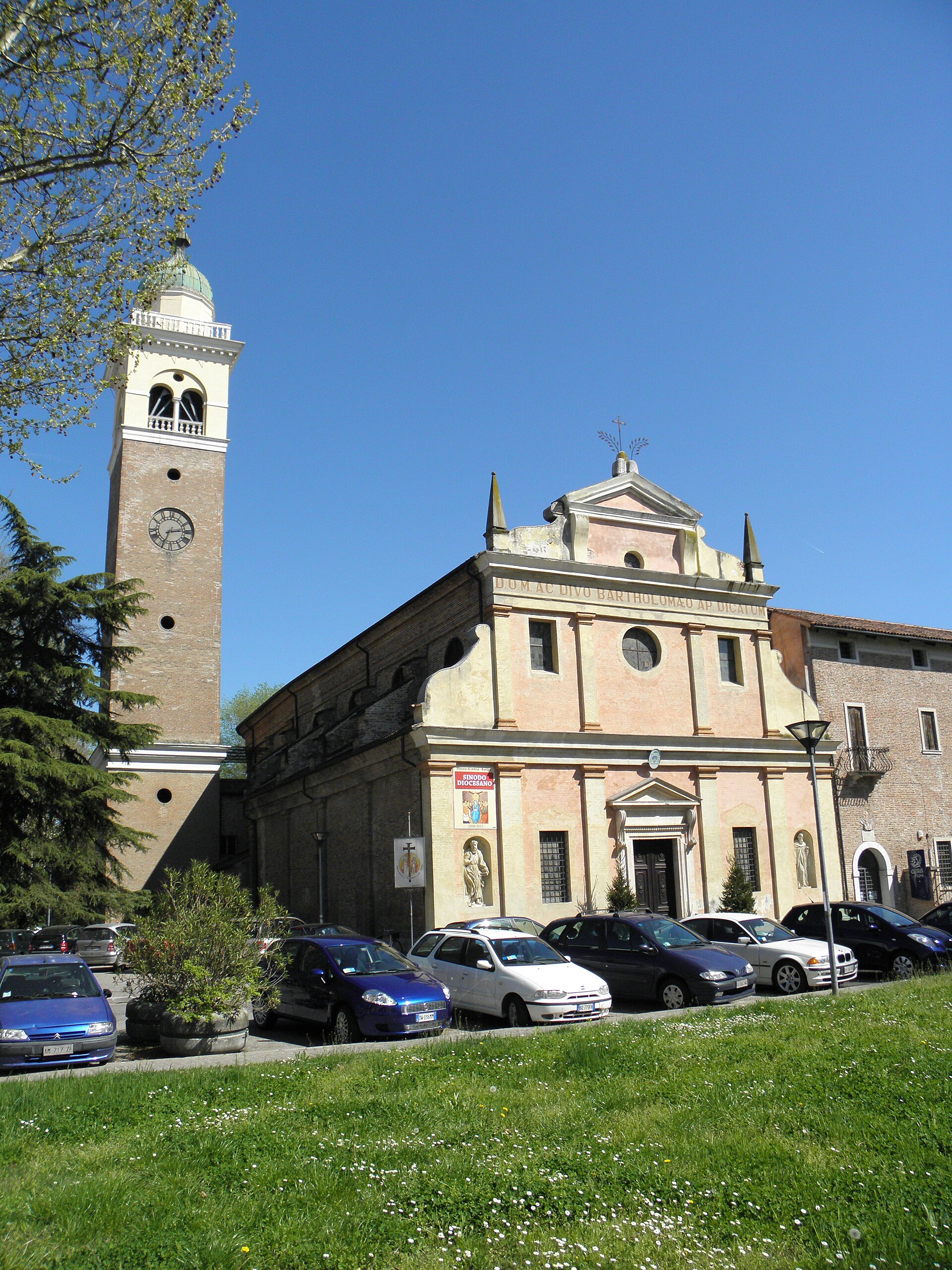
From Umiliati wool-workers to the monks of Monte Oliveto
Umiliati, Olivetan monks, an altarpiece by the painter to His Britannic Majesty and a cloister that tells of great rivers: this is San Bortolo.
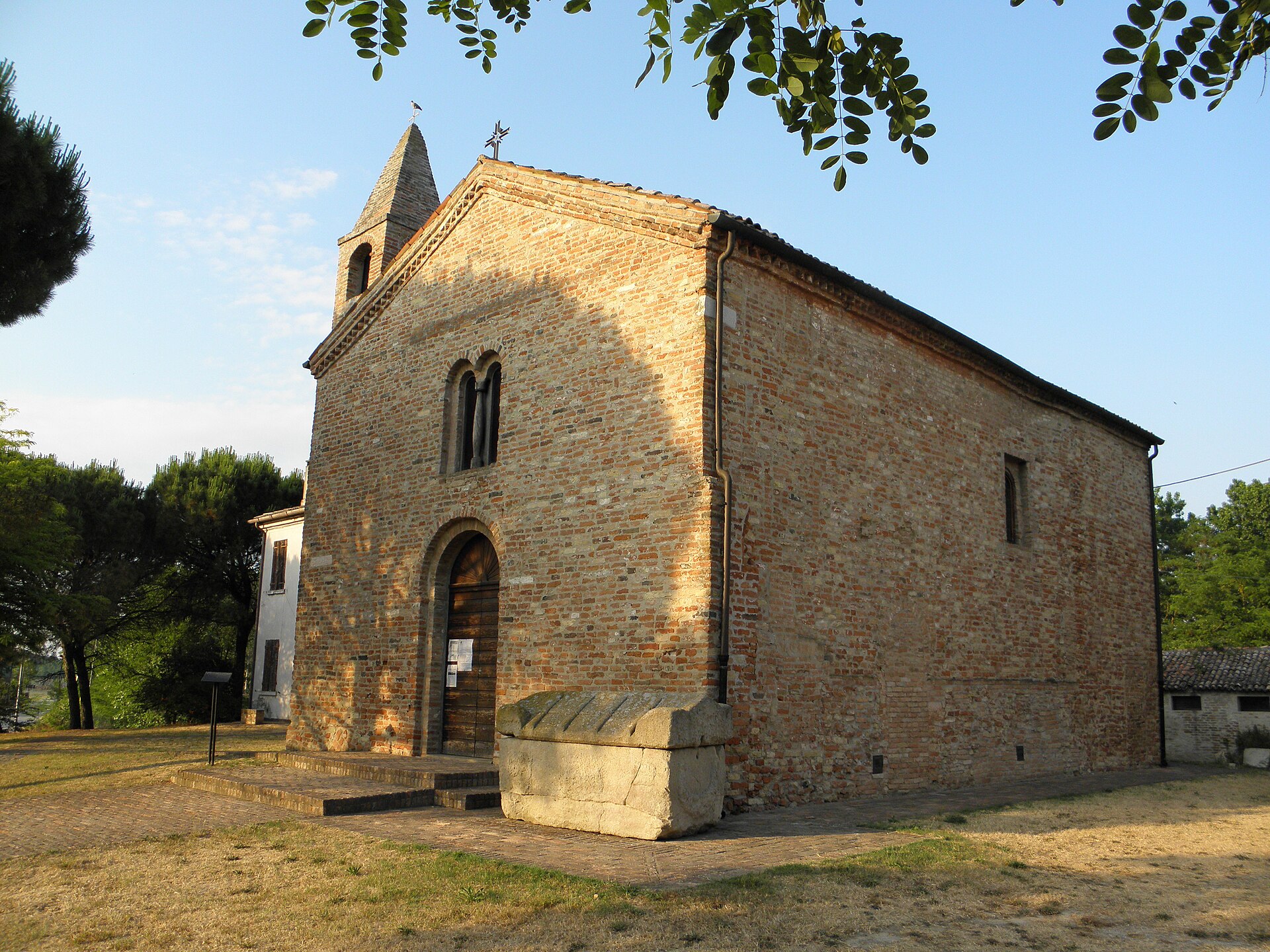
Etruscans, Romans and monks on the ancient dune
A tiny hamlet on an ancient shoreline. Etruscans, Romans and monks passed through here, and one tradition says Dante stopped here too.
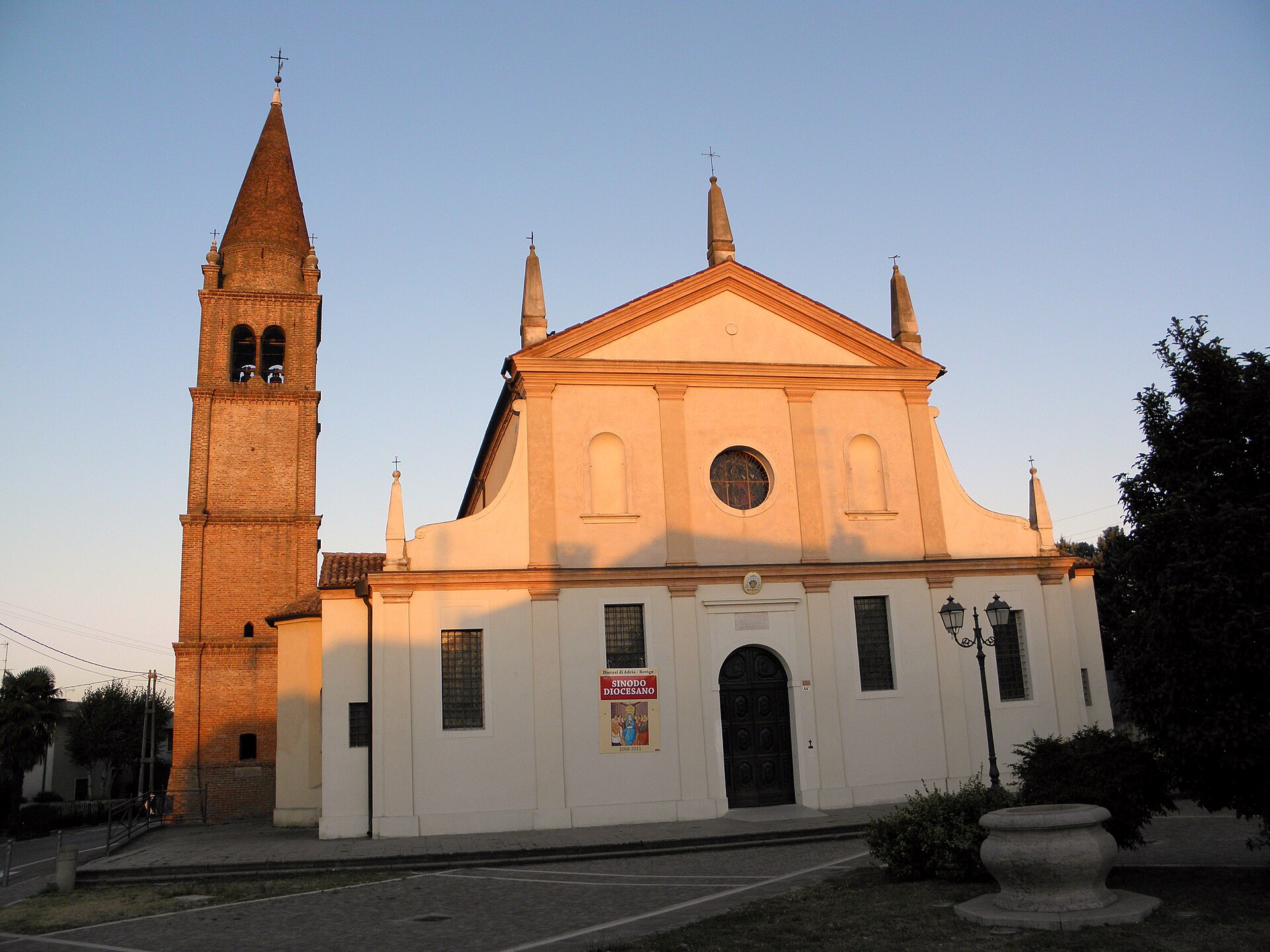
The martyr bishop who guards against rabies
A bishop slain in an ambush, relics found through dreams and Po floods: San Bellino is the resting place of the patron of the Diocese of Adria-Rovigo.
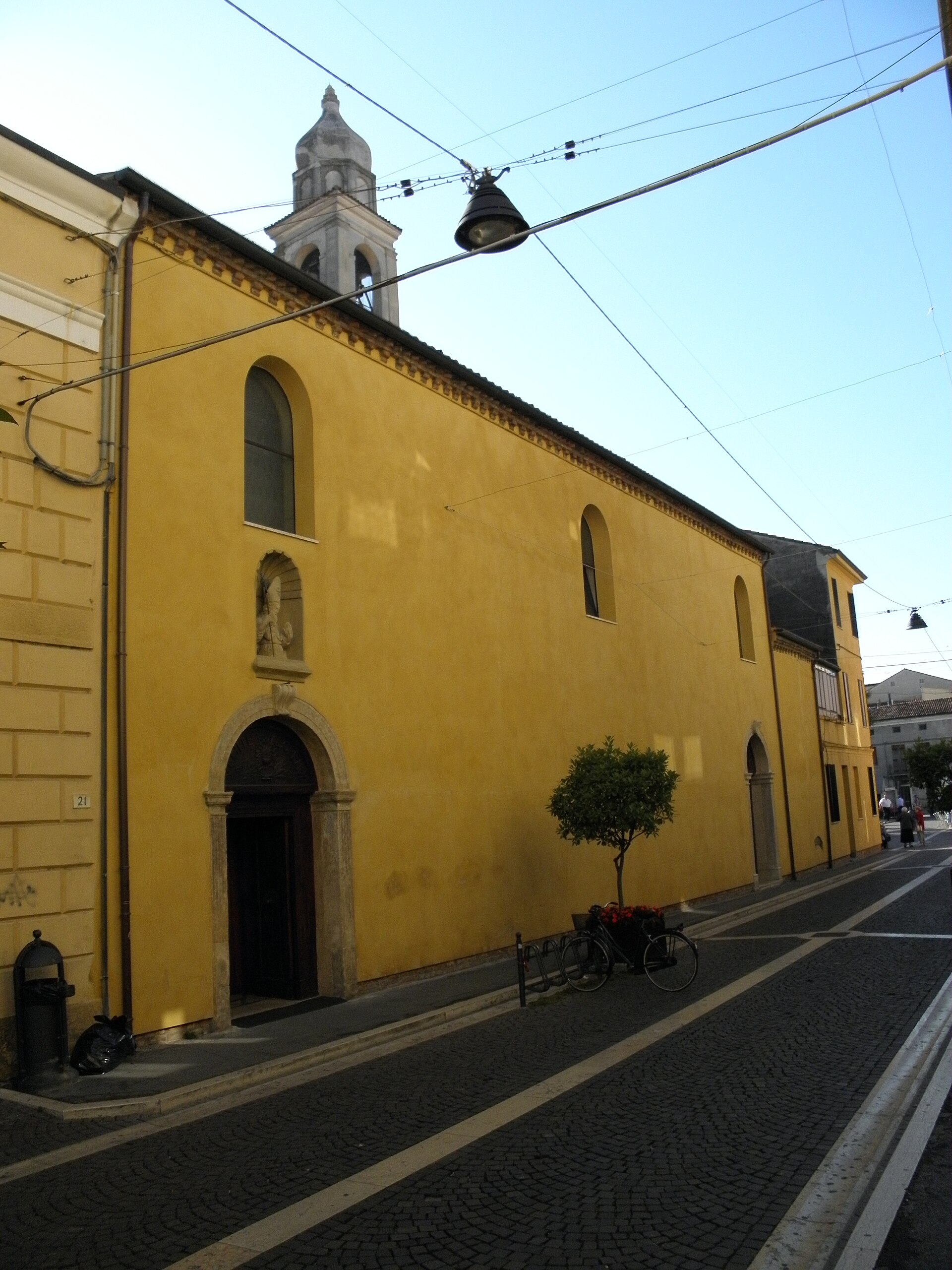
The church that shows only its side
No churchyard, no façade: it shows the city only its flank. Behind that wall lie five centuries of hospitals, Dominican friars and markets.
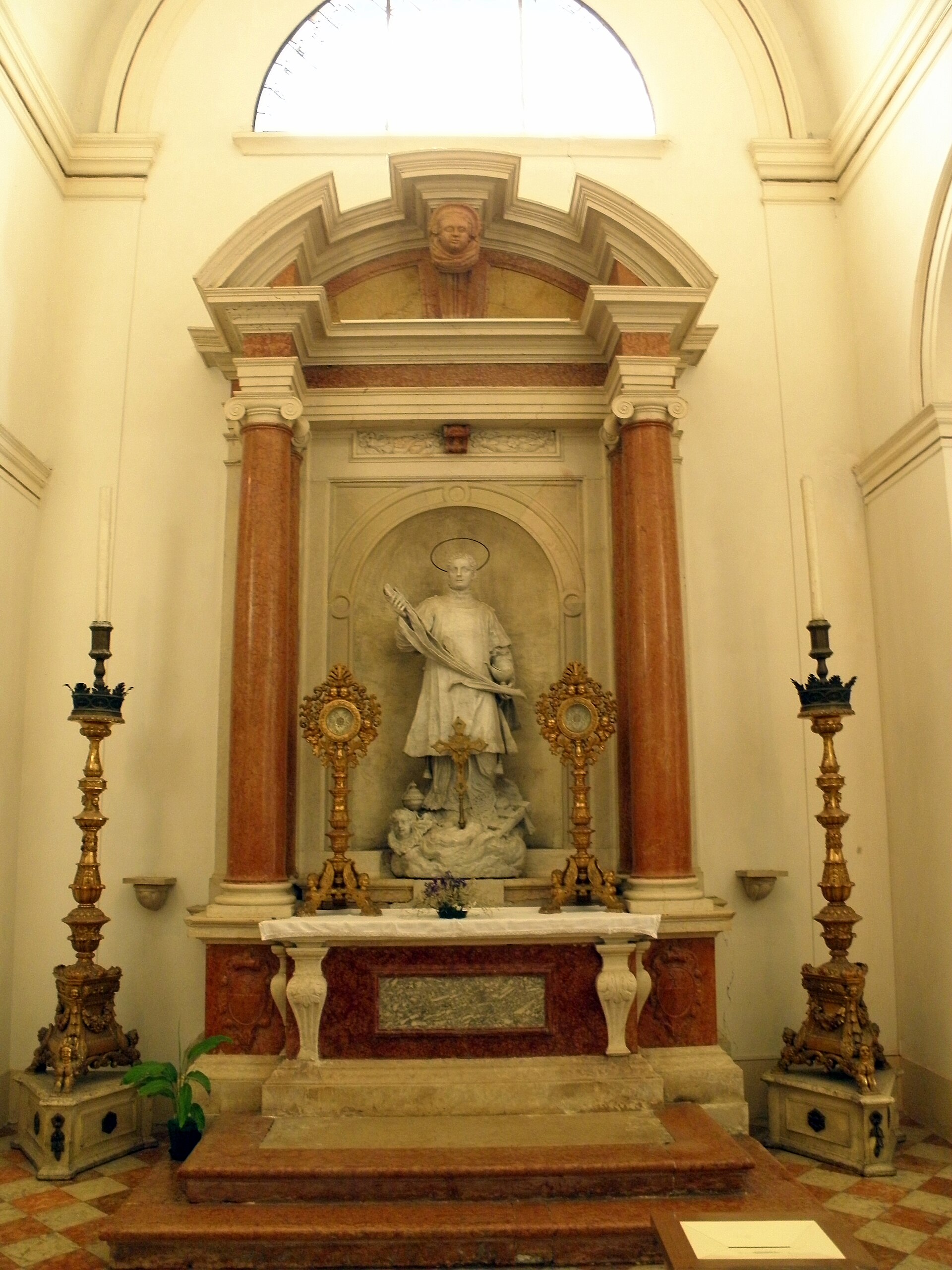
The convent the Este family wanted
Behind a Neoclassical façade hides the Gothic convent founded by Obizzo II d’Este: the oldest religious foundation still active in the centre.
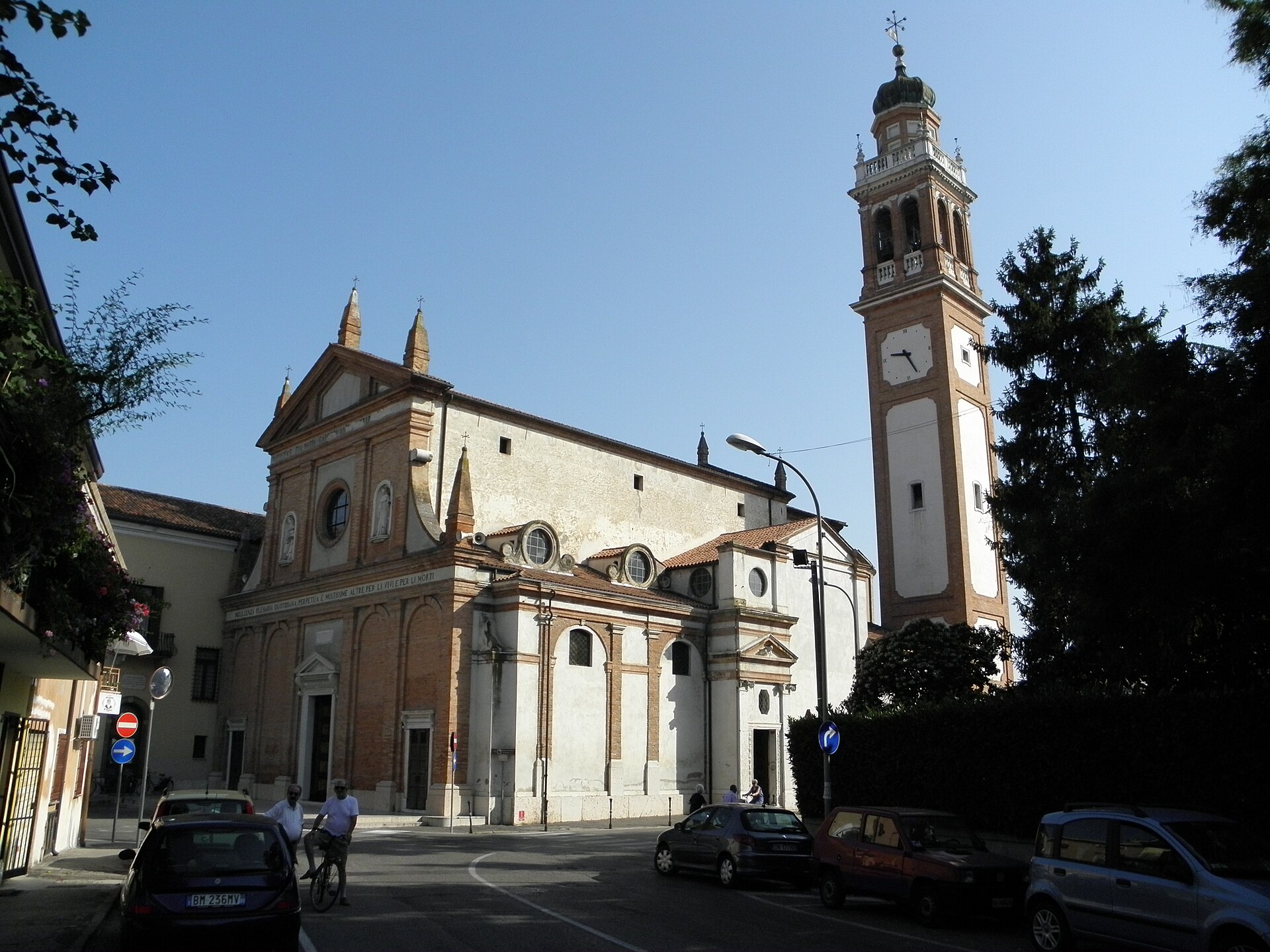
The Black Madonna born of a stormy night
A small dark olive-wood statue, a stormy night and a spring that still draws pilgrims: the story of the Black Madonna of Lendinara.
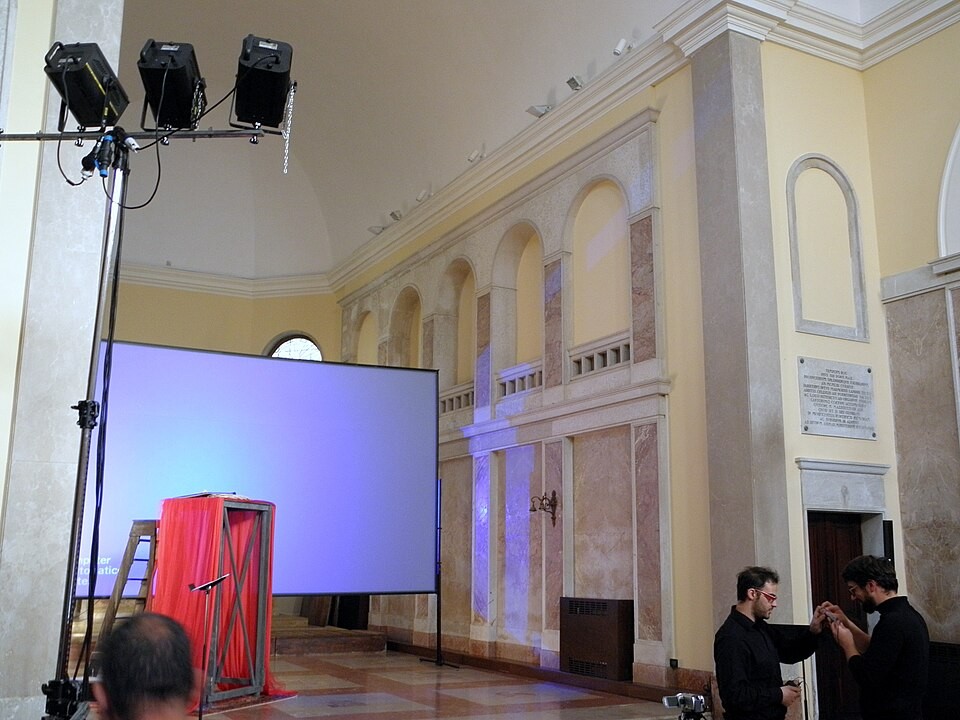
The seminary born of the Council of Trent
Born of the Council of Trent and grown inside an Augustinian convent, it now houses the State Archives. Its library holds 160,000 volumes.
This page is based on the sources listed here. Have a correction or a document to share? Write to the editors. redazione@rovigosegreta.it