
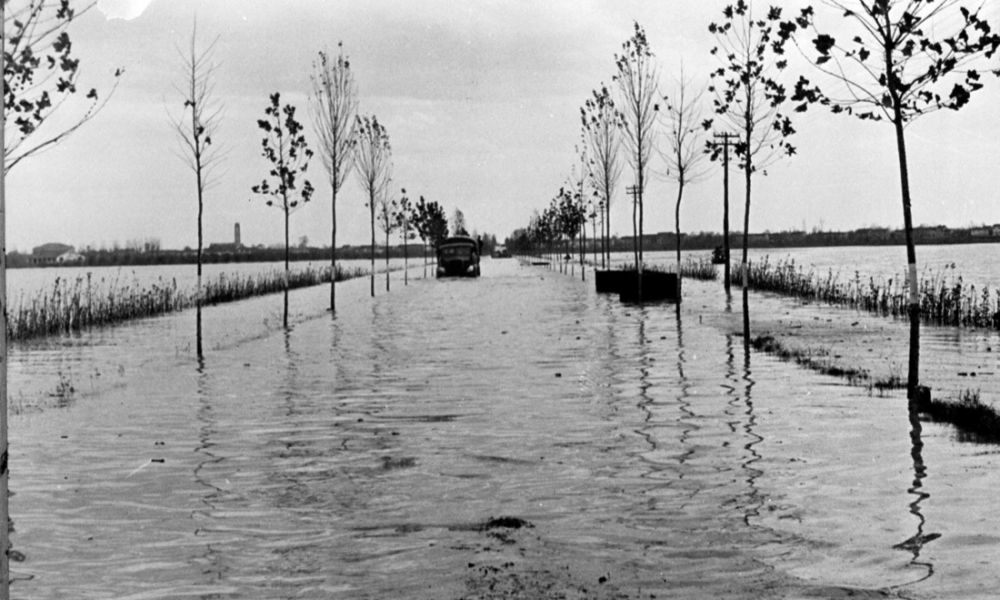
The 1951 Flood and the Frassinelle Lorry
The night the Po swept over the Polesine
14 November 1951: the Po bursts its banks and floods two thirds of the Polesine. That night, at Frassinelle, came the tragedy of the ‘lorry of death’.
Discover Rovigo through the stories, people and traditions of the Polesine. Follow each account to its places and sources, distinguishing documented history from legend.
43 results
The night the Po swept over the Polesine
14 November 1951: the Po bursts its banks and floods two thirds of the Polesine. That night, at Frassinelle, came the tragedy of the ‘lorry of death’.
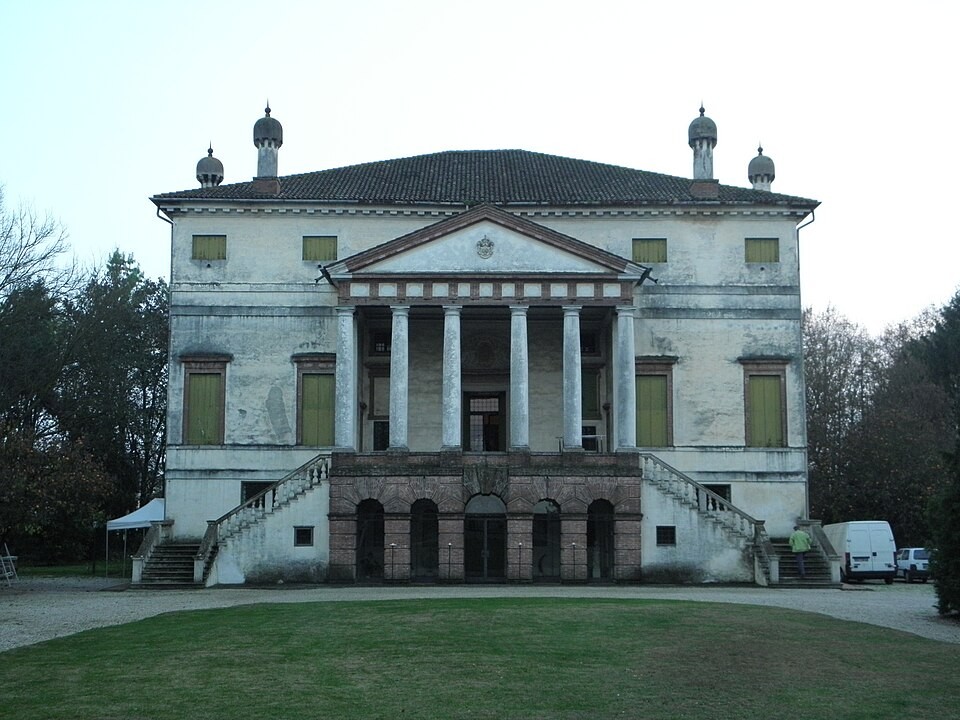
The Carbonari of Fratta and the dinner that led to the Spielberg
11 November 1818: in Fratta Polesine a patriots’ banquet ends in cheers. Then come denunciations, arrests, the Spielberg. The story of the Carbonari.
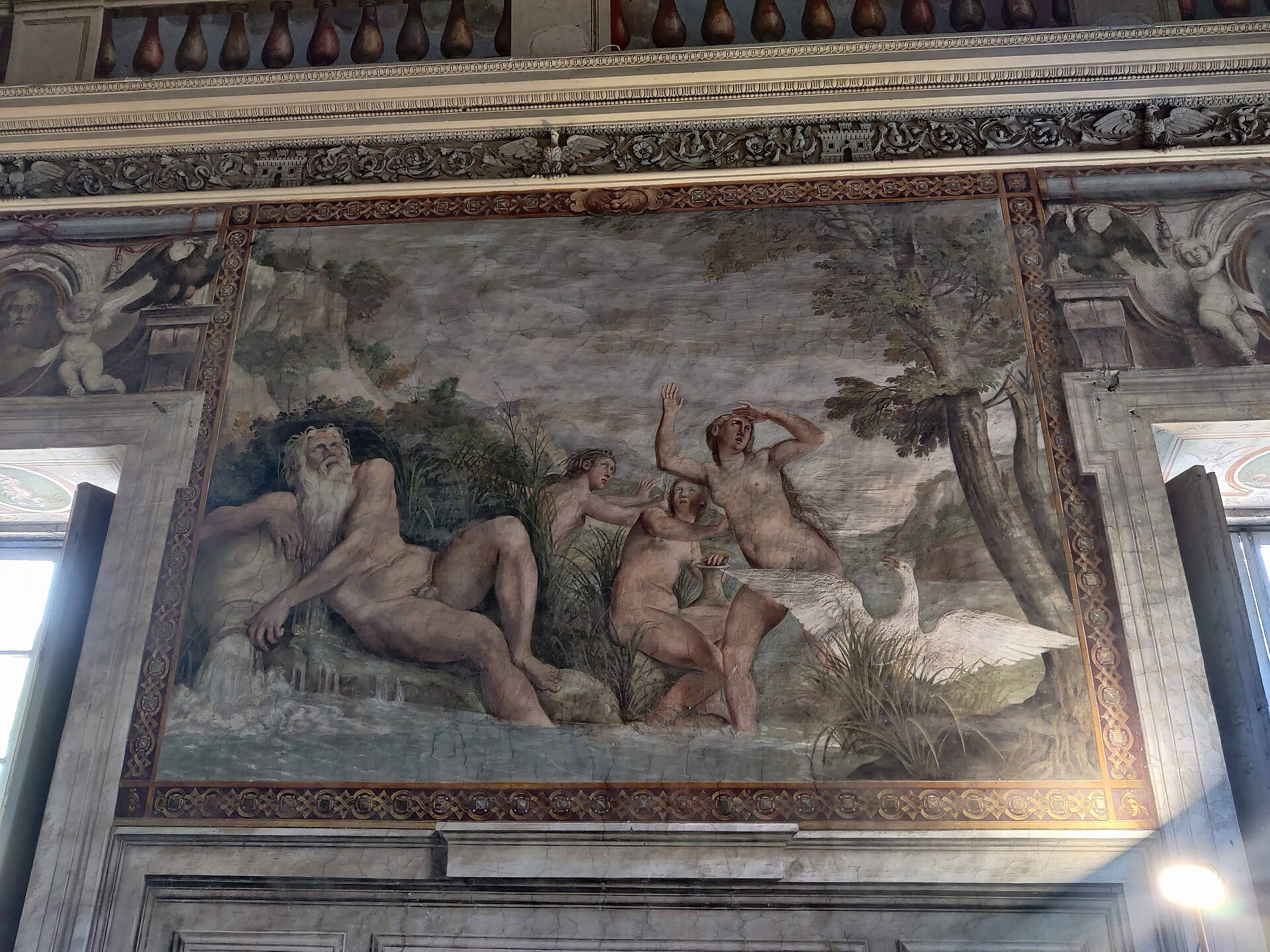
The myth of the Eridanus and the amber of Frattesina
The son of the Sun fell into the Po, and his sisters wept tears of amber. At Frattesina, three thousand years ago, amber really was worked.
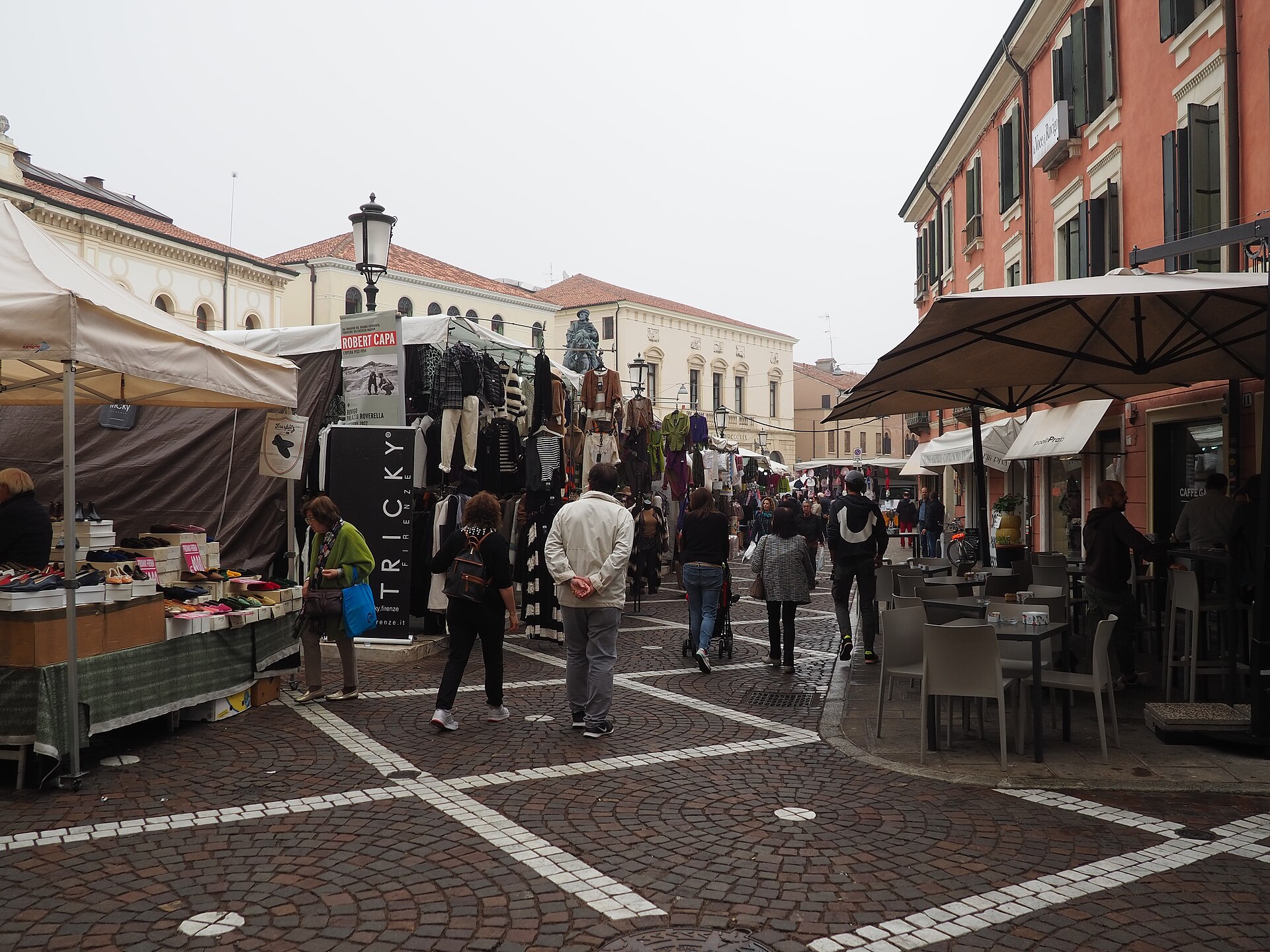
Five centuries of horses, calves on boats and opera
Since 1482 Rovigo has celebrated in October. Once oxen, horses and calves on boats on the Adigetto; today funfairs and the Ottobre Rodigino.
Witches, trials and tales in the winter stables
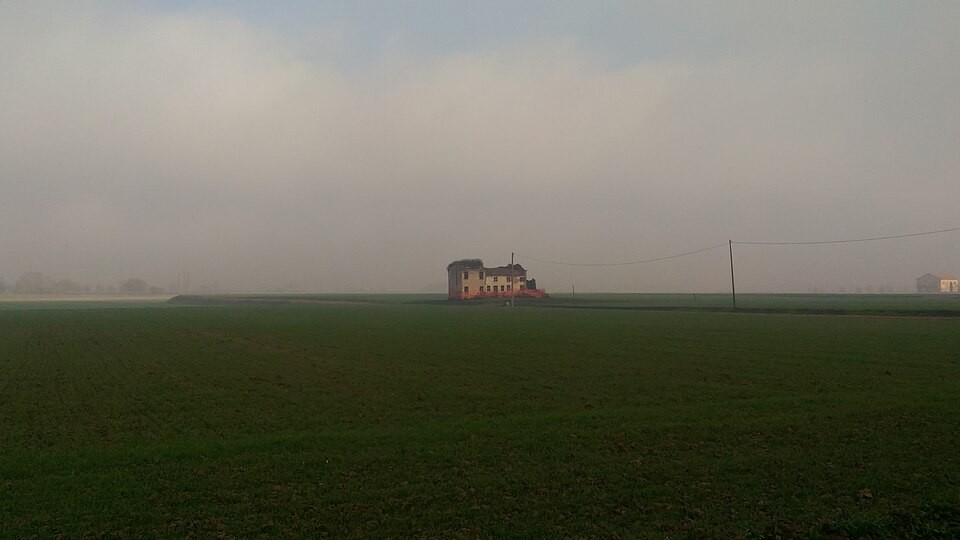
In winter stables people gathered for the filò and told fòle, folk tales. Long before, the witches of the Polesine had faced the courts.
The ginger cat who became the city’s symbol
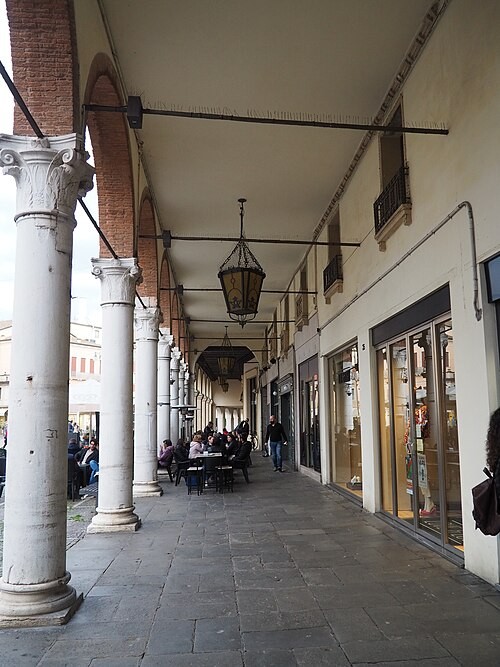
Rescued in Bosnia, adopted by a whole city: Rossini roamed Rovigo’s banks, bars and arcades, until he became its symbol.
Anatomy of an invented mystery
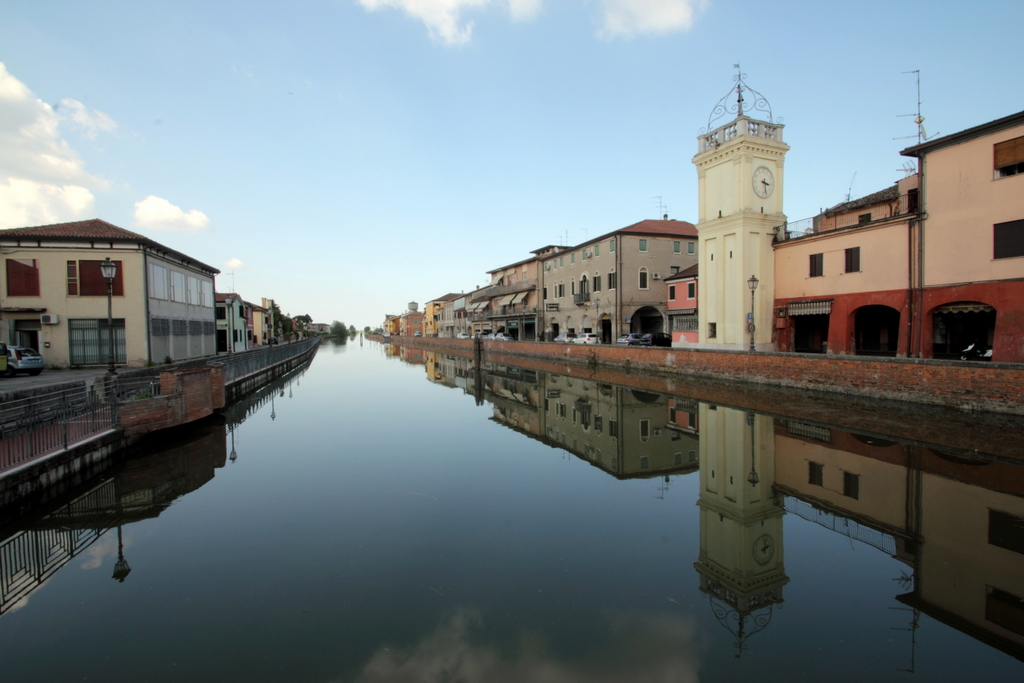
A rediscovered diary, an initial, a fish-man in the Delta: Lovecraft’s trip to the Polesine is an artful fake. This is how a legend is born.
The popular devotion that gave birth to the Rotonda
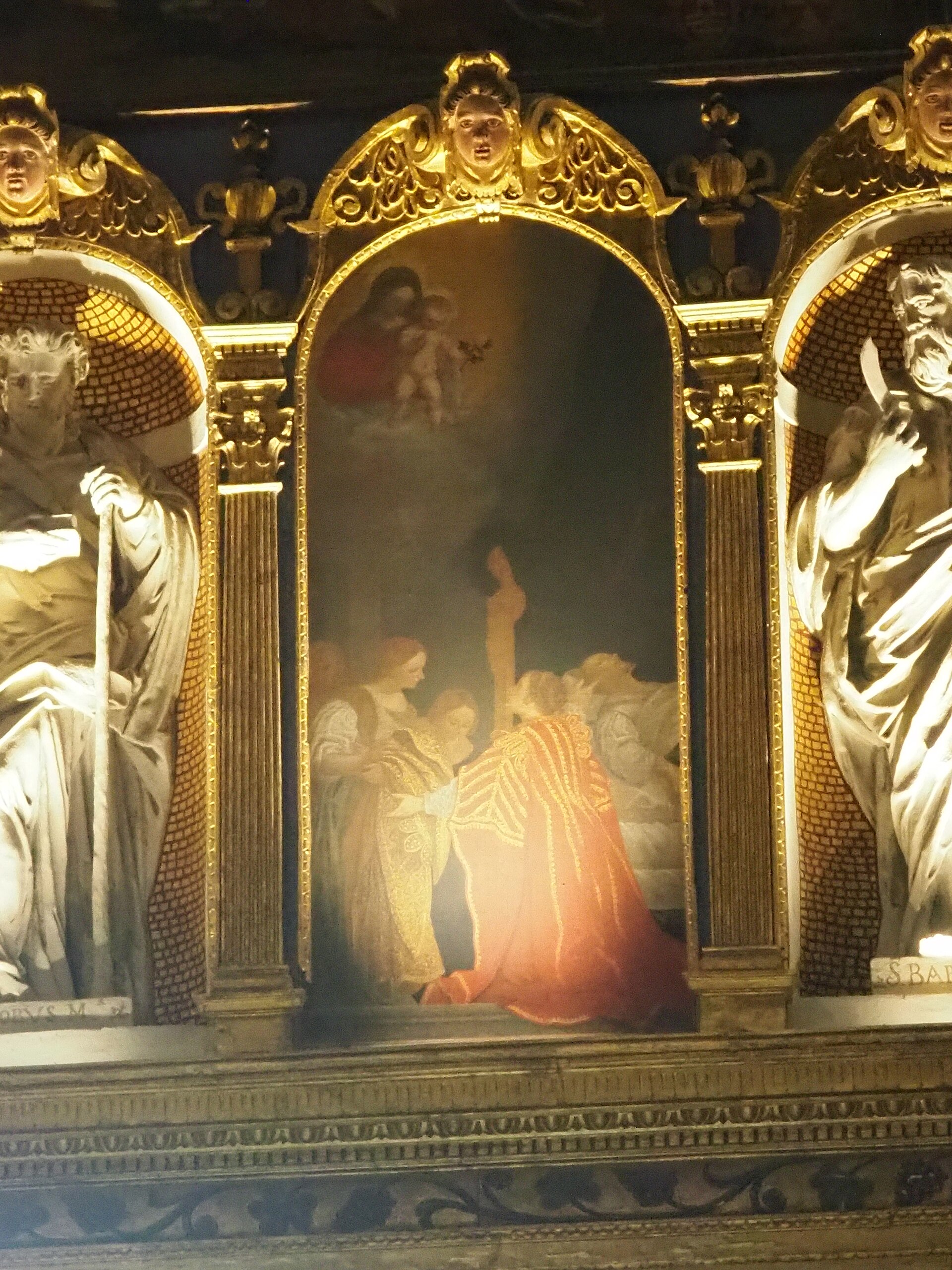
From 1591 an image of the Virgin drew crowds of pilgrims to Rovigo. Tradition credits it with 115 wonders, and from them the Rotonda was born.
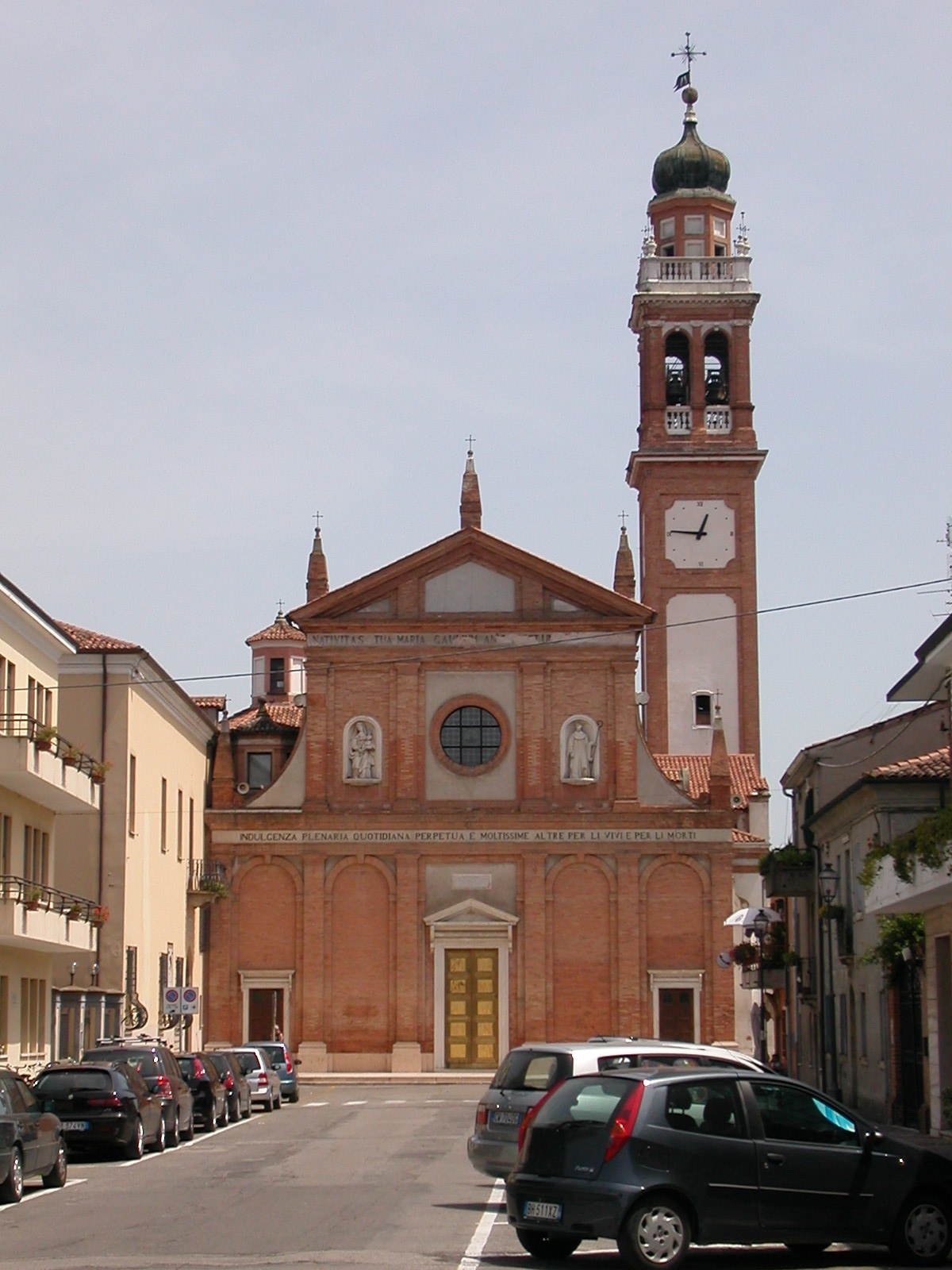
The statue that fell in a storm and never stopped glowing
May 1509: a storm tears a statue of the Madonna from a house in Lendinara. It is said that, fallen beyond a hedge, it shone for days.
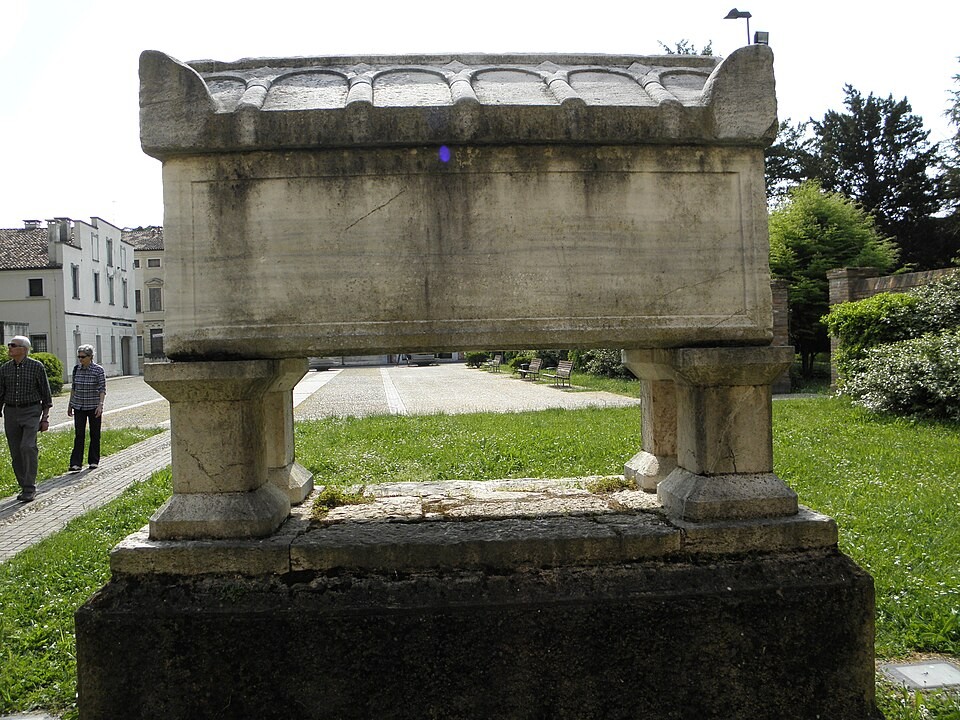
Two sarcophagi at the Vangadizza and the roots of a dynasty
At the Vangadizza, tradition says, lies Azzo II d’Este, who died almost a hundred: from his blood descend dukes and kings of Europe.
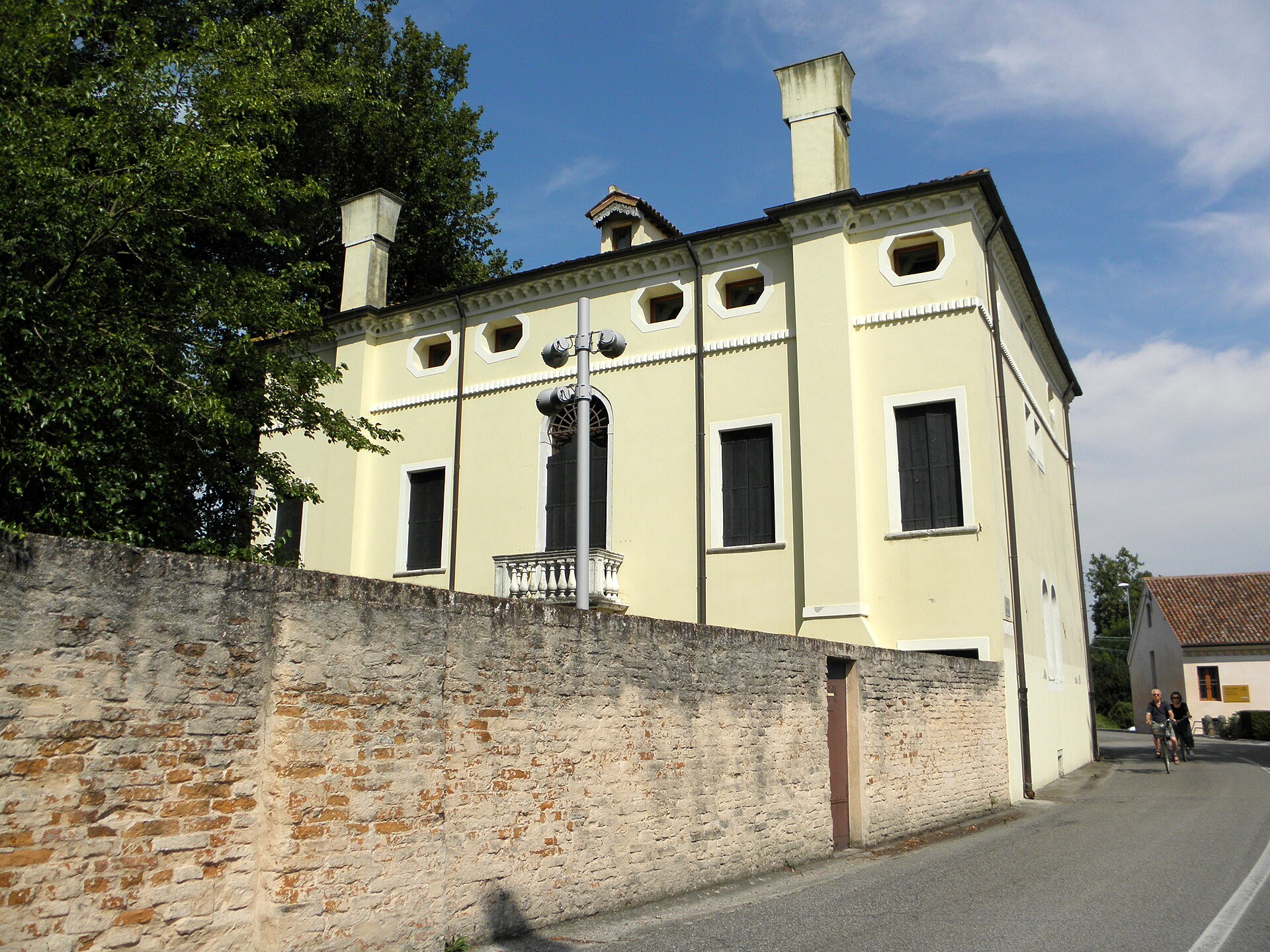
In Fratta, a tomb the regime feared
In Fratta Polesine, Giacomo Matteotti’s house and his tomb, sealed and watched by the police until 1945. A true story, with no legends.
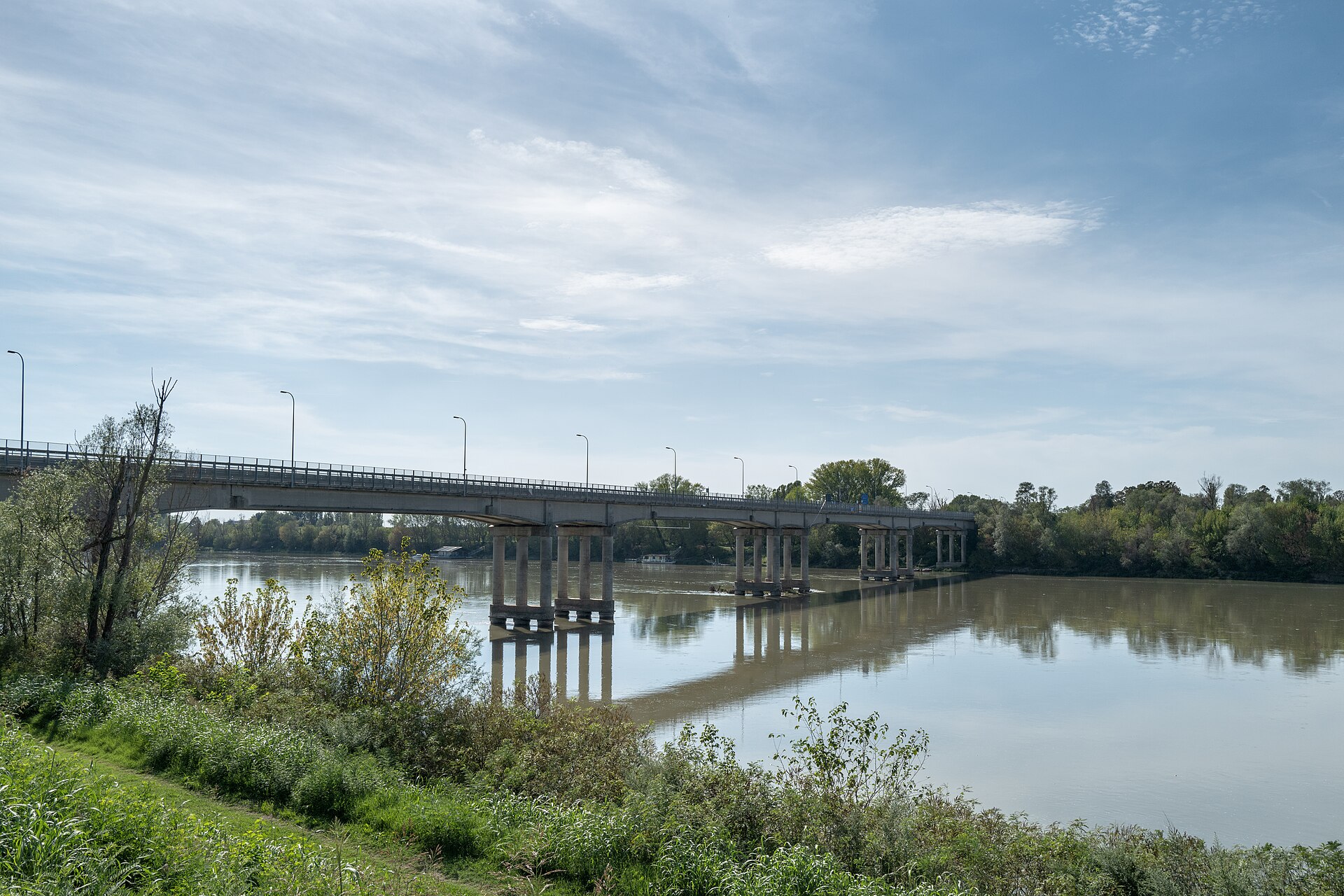
The day the Po changed its course
In 1152, tradition says, the Po burst its banks at Ficarolo and carved a new path. So the Polesine became a land between rivers.
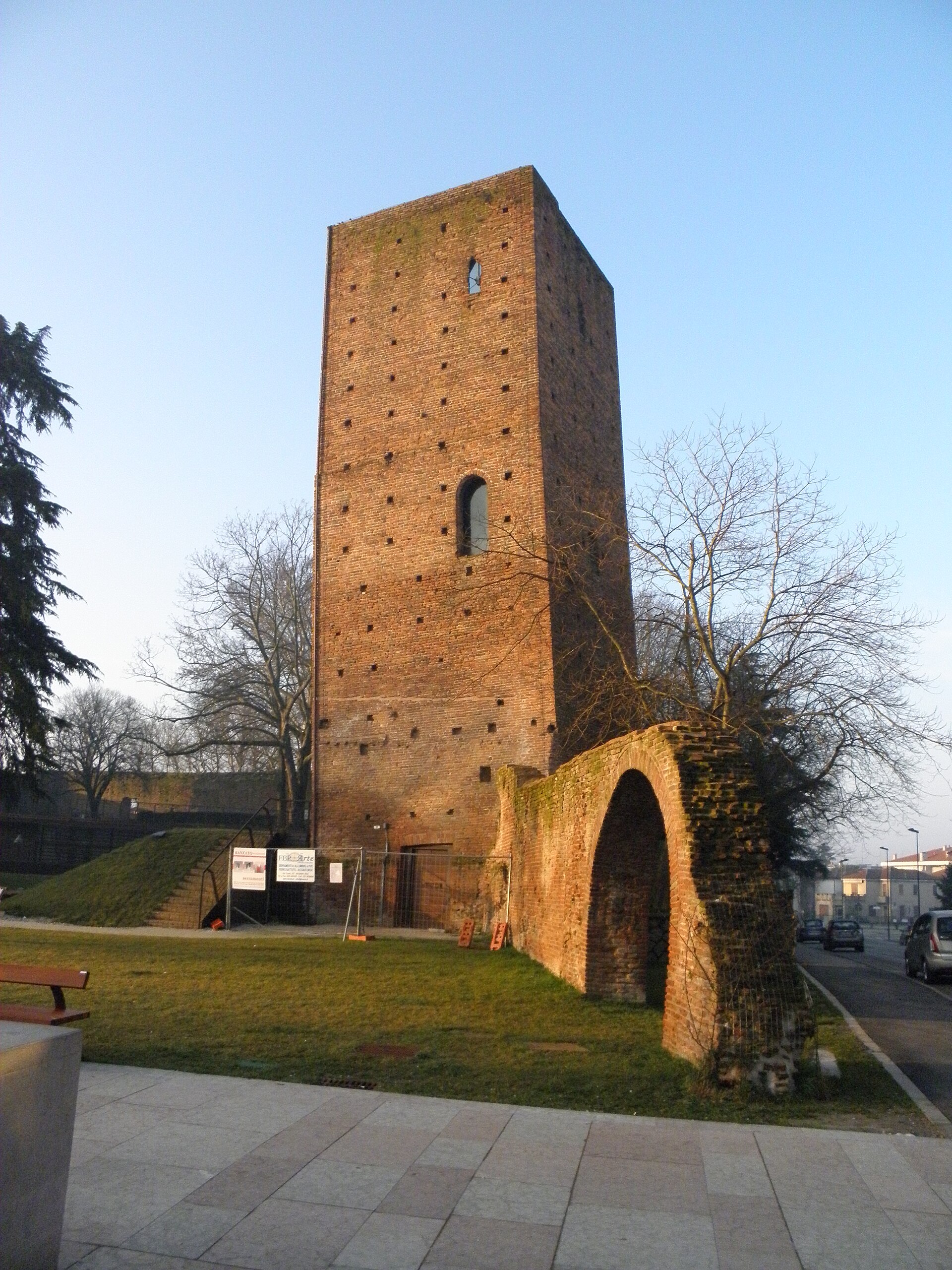
Torre Donà and Torre Mozza, bowed by the marsh
One soaring, the other broken: both towers of Rovigo’s castle lean. No spell is to blame, just the weight of brick on soft ground.
A dream, a flowering crozier and a Greek name
A bishop seeking refuge, a dream of Saint Peter and a crozier covered in roses: the legend that made Rovigo the city of roses.
Heretics, witches and a burning at the stake in 16th-century Rovigo
For over two centuries Rovigo had its own tribunal of the Holy Office, based in the friary of San Francesco. Documented burnings and legendary witches.
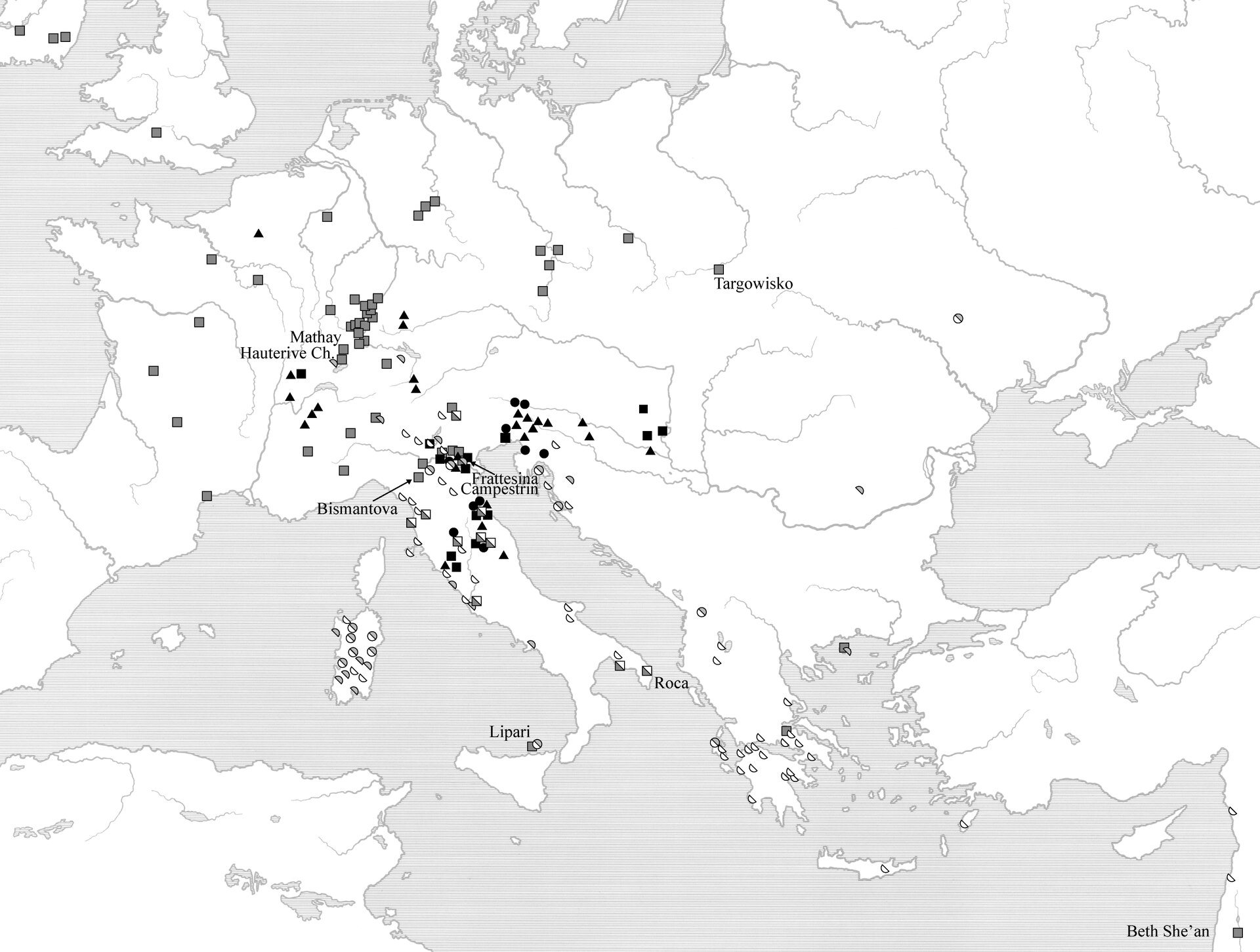
Three thousand years ago, elephant ivory and ostrich eggs were being worked in the Polesine
In the Bronze Age a village at Fratta Polesine worked glass, amber, ivory and ostrich eggs. How did they get there? Villa Badoer tells the story.
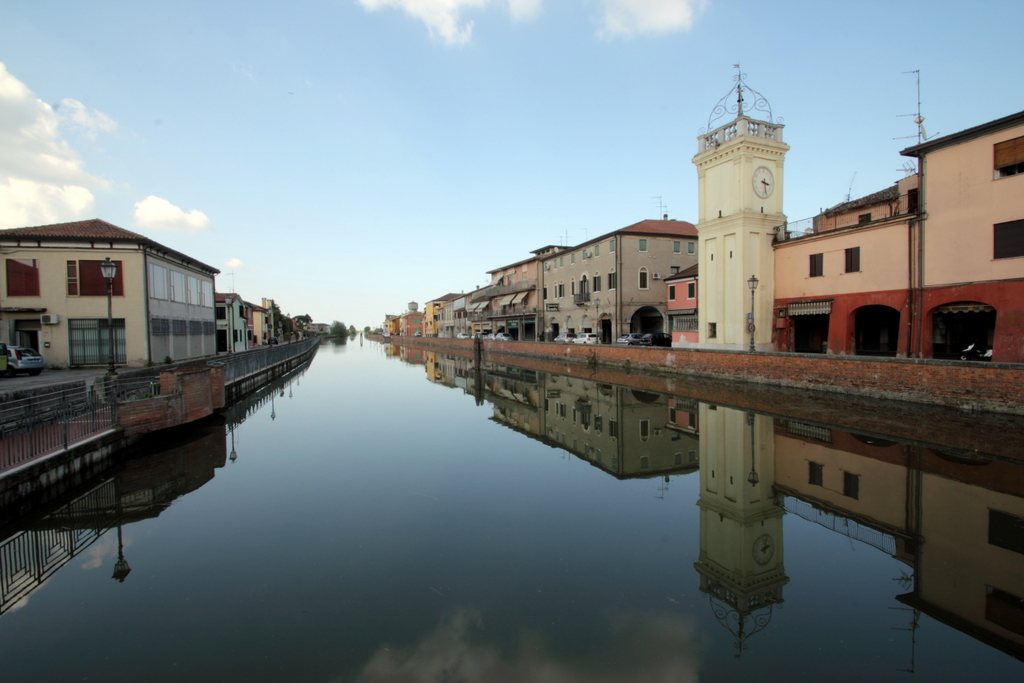
In Loreo, a boatmen's legend and a rite no one has ever revealed
A mysterious passenger, two boats on the Po and a secret night rite repeated since 1608: the Madonna del Pilastro in Loreo, between legend and tradition.
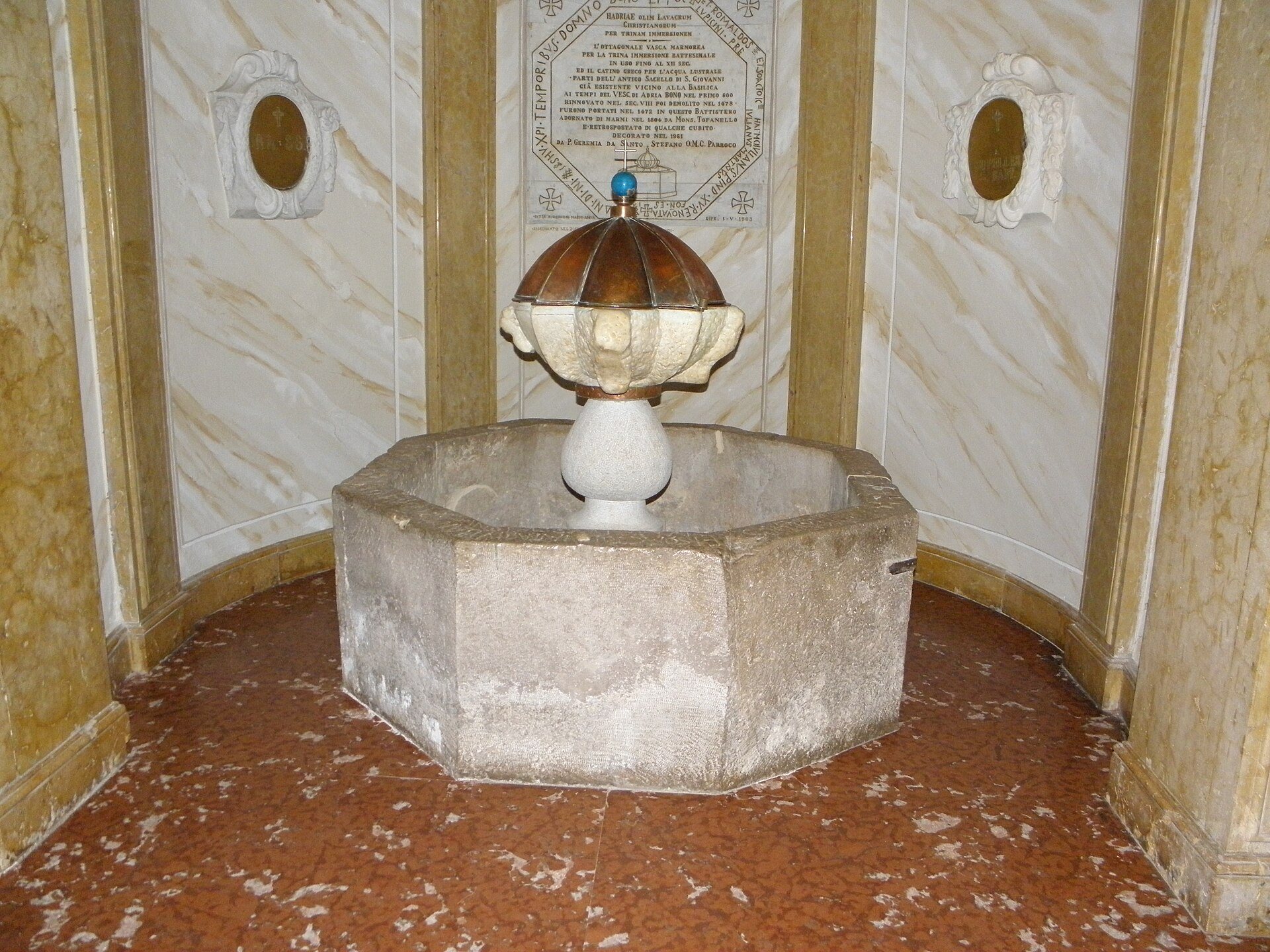
In Adria, the city's oldest church guards legends and age-old stones
Beneath the church of the Tomba in Adria, legend says, lies King Adriano's golden chariot. Inside, meanwhile, stands a 1,300-year-old baptismal font.
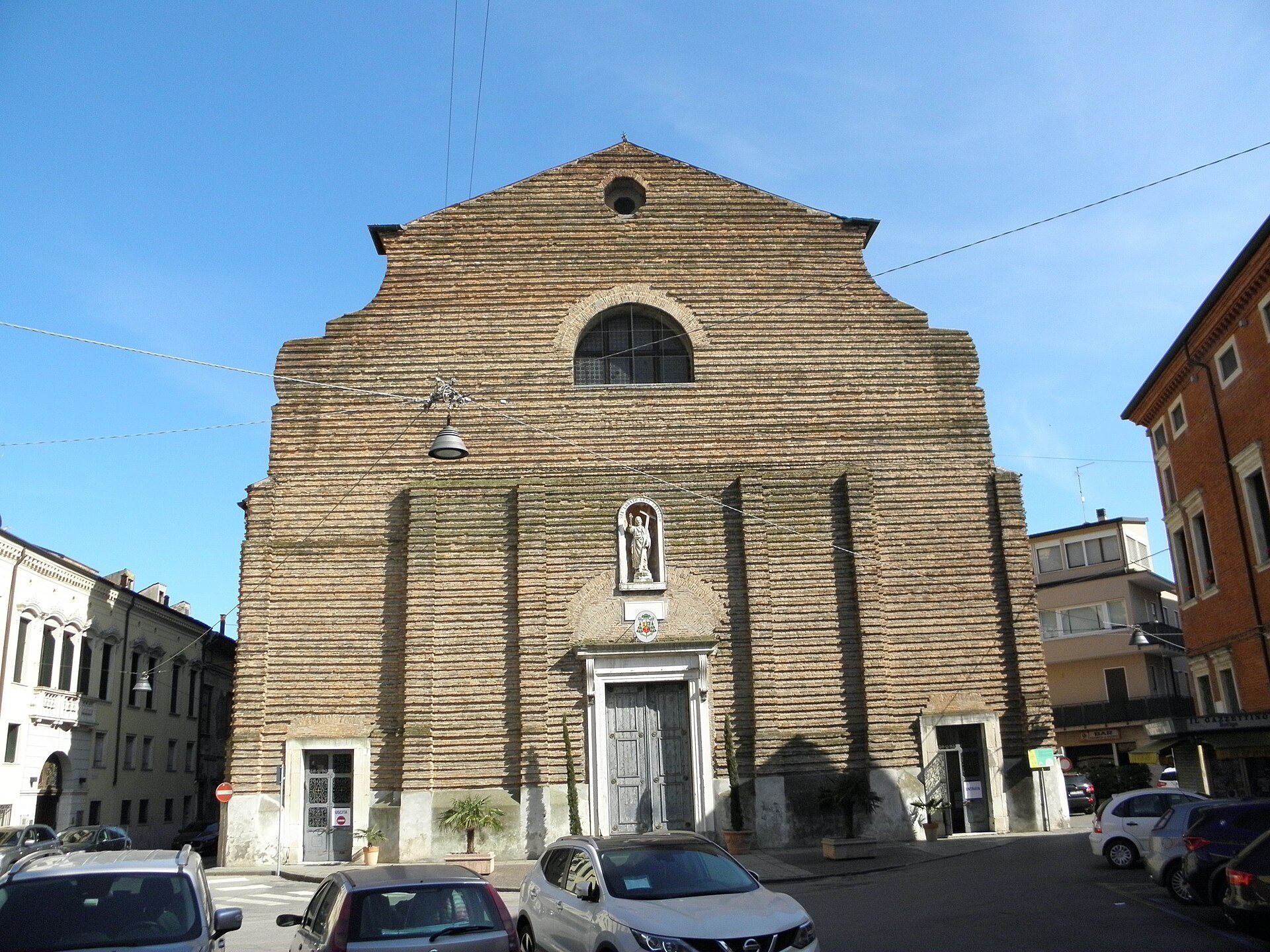
The little baptistery in front of the Duomo and the fresco that would not be destroyed
In 1737 the "Dometto", the baptistery of Rovigo's Duomo, was demolished. Legend says the hammer stopped before the Madonna painted over the door.
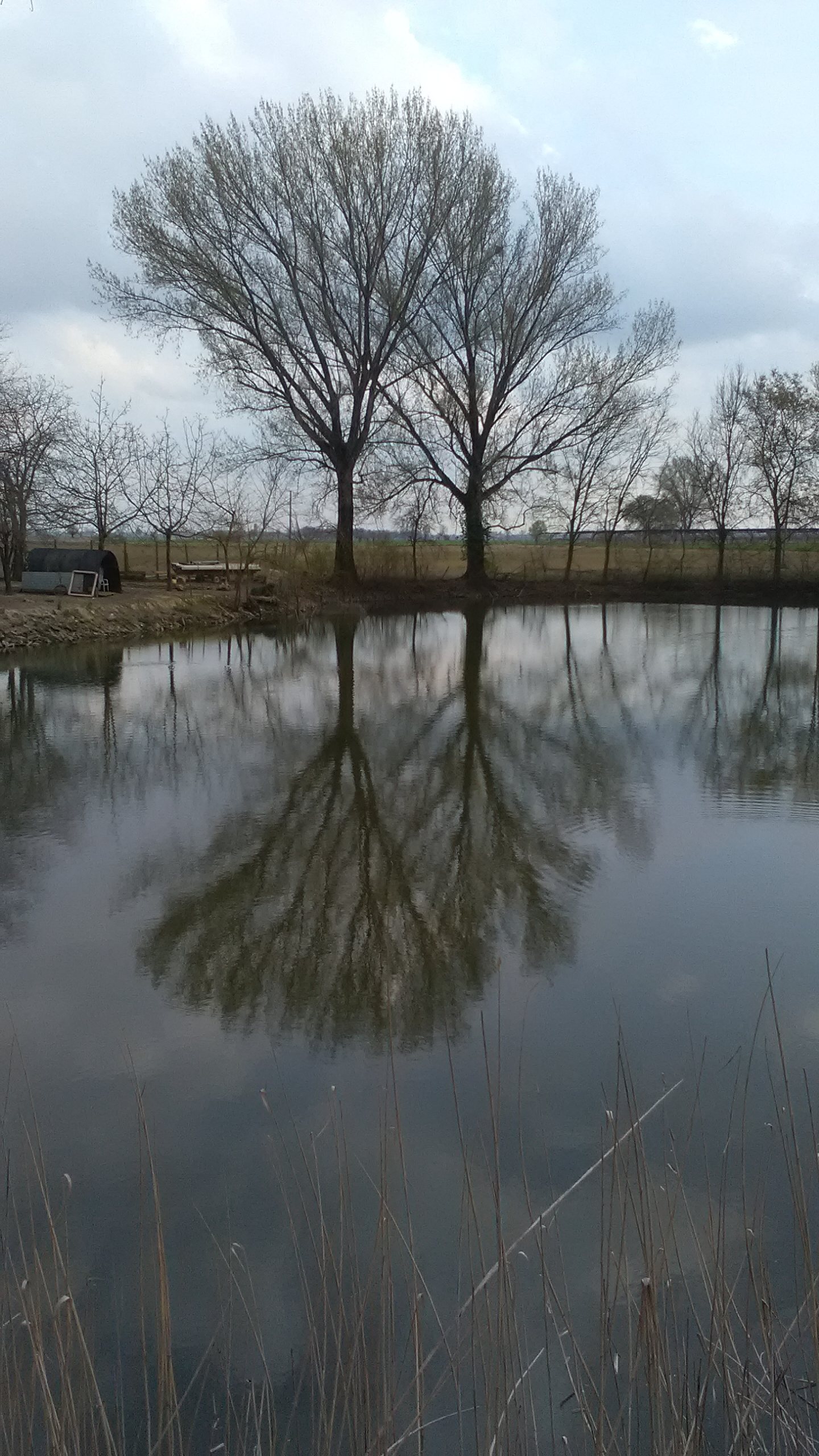
In Trecenta, a deep lake, a runaway bride and bells that ring underwater
On moonless nights, they say in Trecenta, a lament rises from the Gorgo della Sposa. History and legend of the largest whirlpool lake in the Polesine.
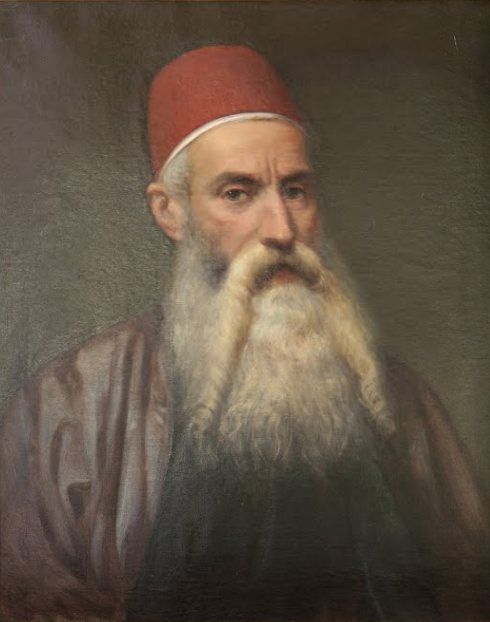
A name carved into an African tamarind and a homecoming that took ten years
Born in Rovigo in 1810, Giovanni Miani went further up the Nile towards its sources than anyone before. His remains rest at the Accademia dei Concordi.
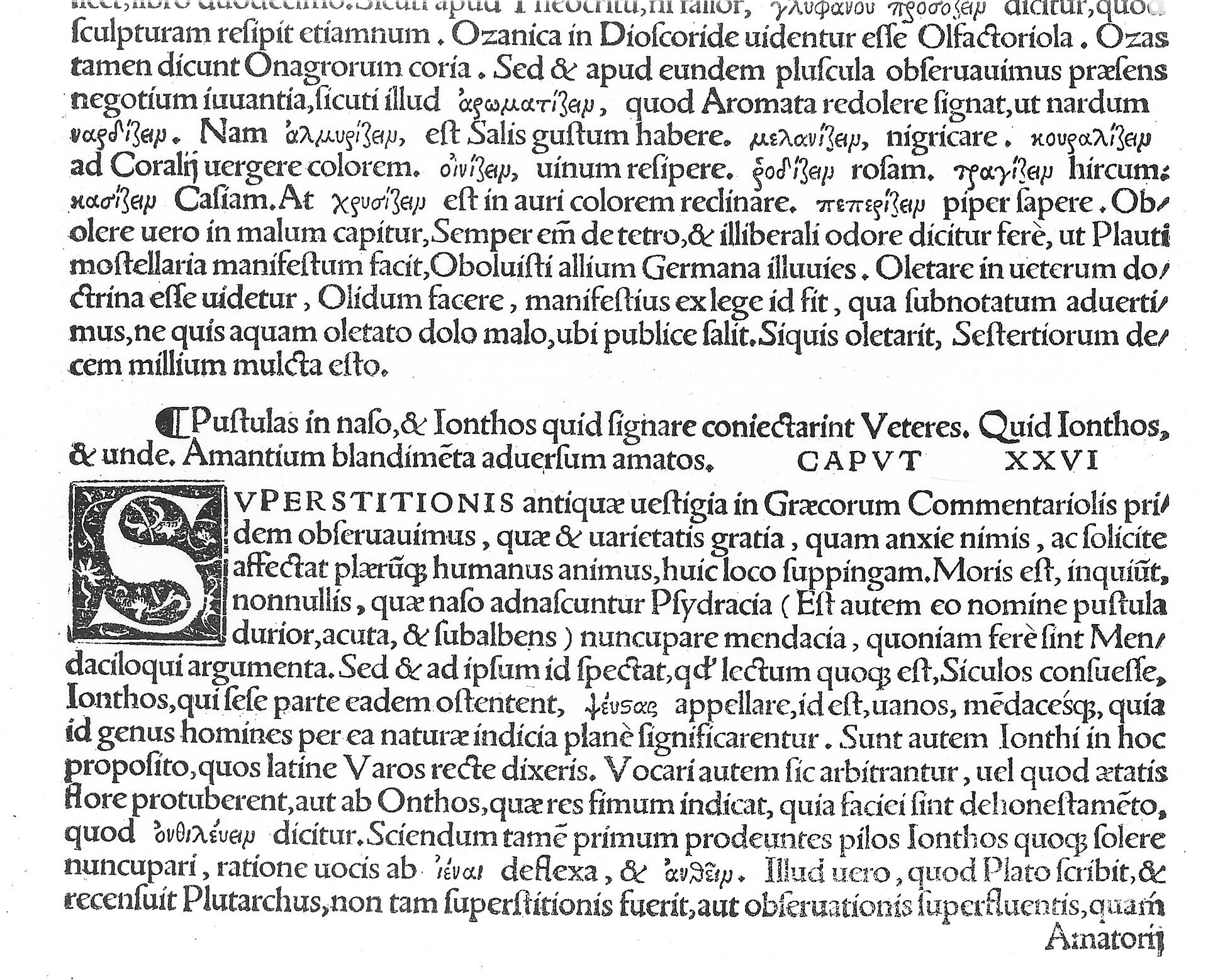
The tailor's son who became one of the most widely read scholars of the Renaissance
Ludovico Ricchieri, known as Celio Rodigino, taught Greek and Latin in Rovigo, was dismissed in 1504 and welcomed back with honour twenty years later.
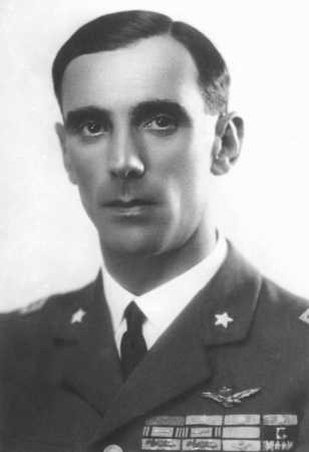
From the Po Delta to the Arctic pack ice, in the summer of the airship Italia
In June 1928 a seaplane flown by Umberto Maddalena, born in Bottrighe, reached the survivors of the airship Italia on the Arctic pack ice.
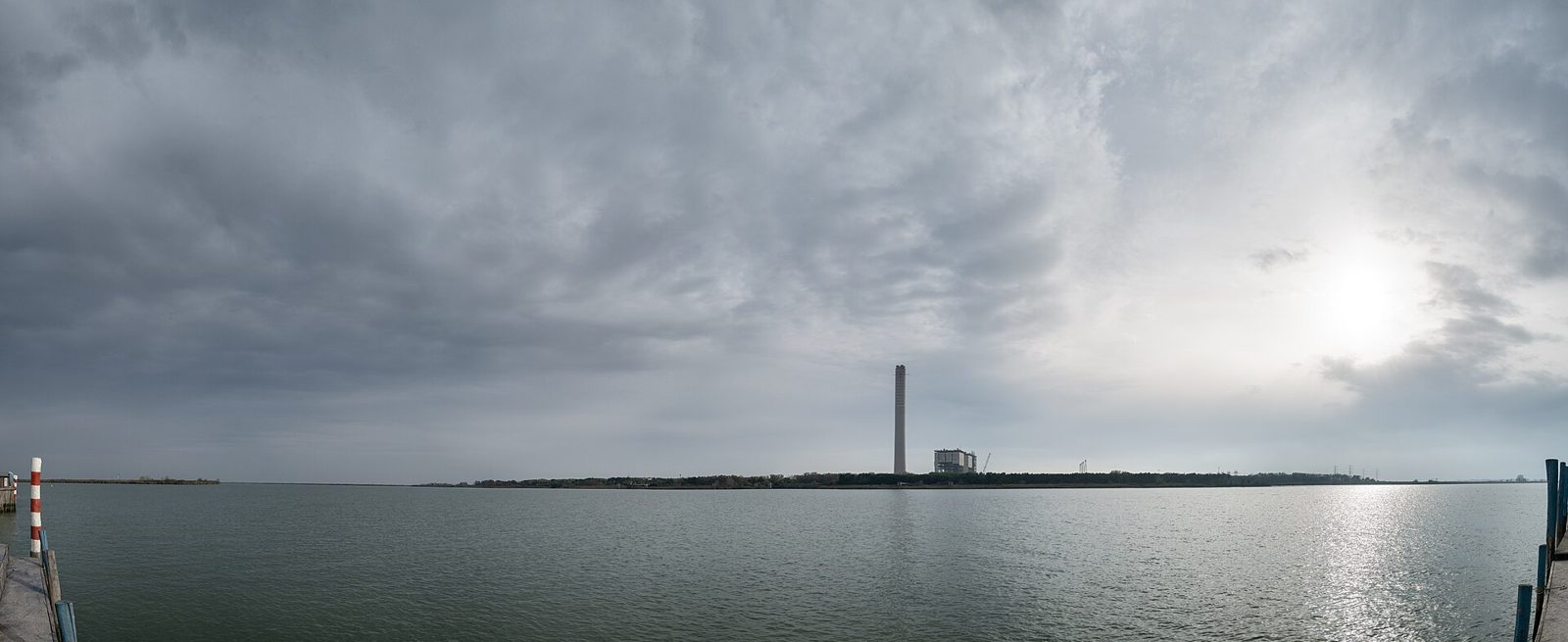
From the 1951 flood to the sand island of Scano Boa
In 1951 the young Gian Antonio Cibotto, from Rovigo, followed the rescuers through the flooded Polesine. Those days gave birth to his first book.
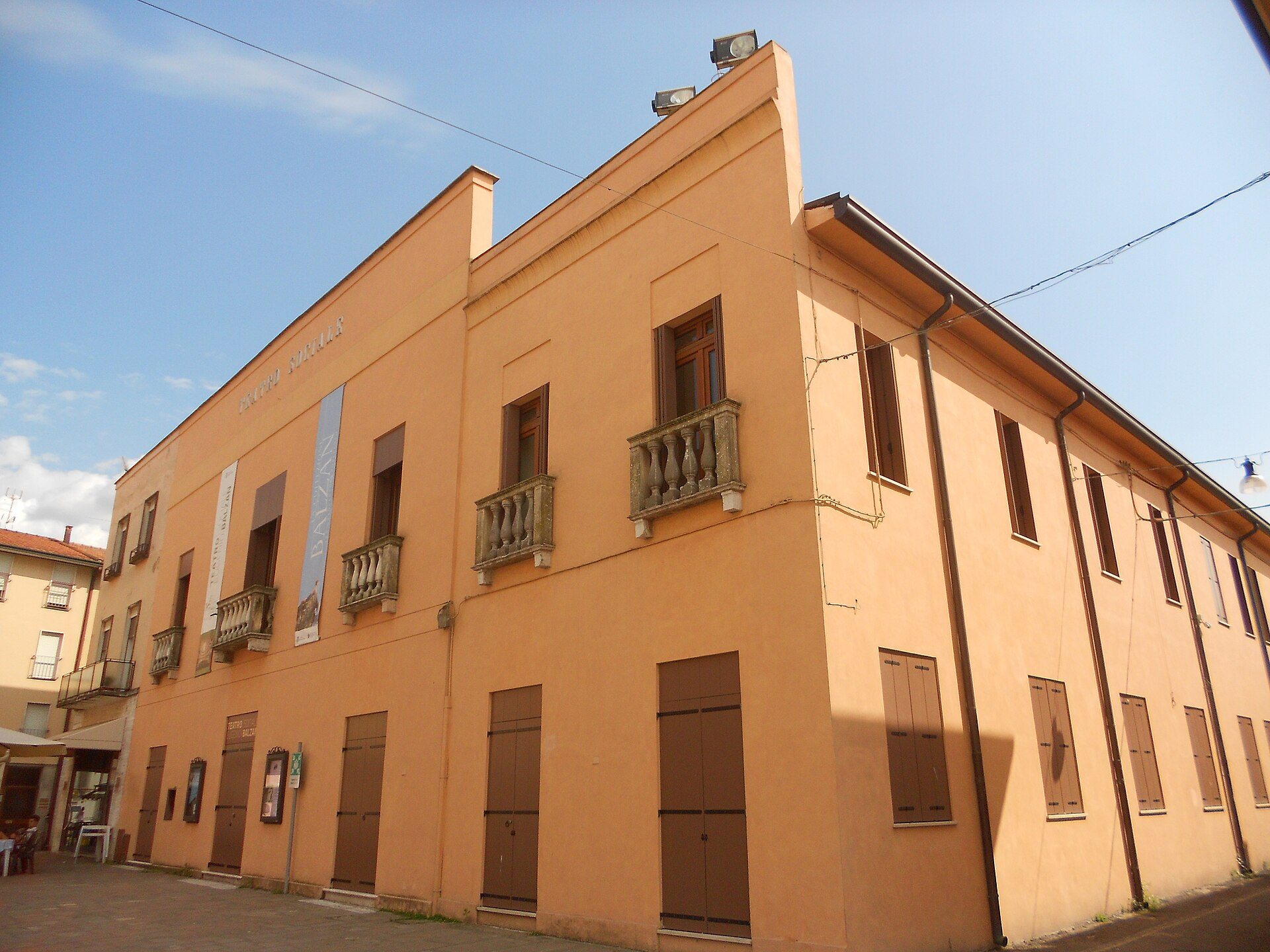
The proofreading boy who gave his name to an international prize
Born in Badia Polesine in 1874, Eugenio Balzan joined the Corriere della Sera in 1897 and became its manager. The Balzan Prize stems from him.
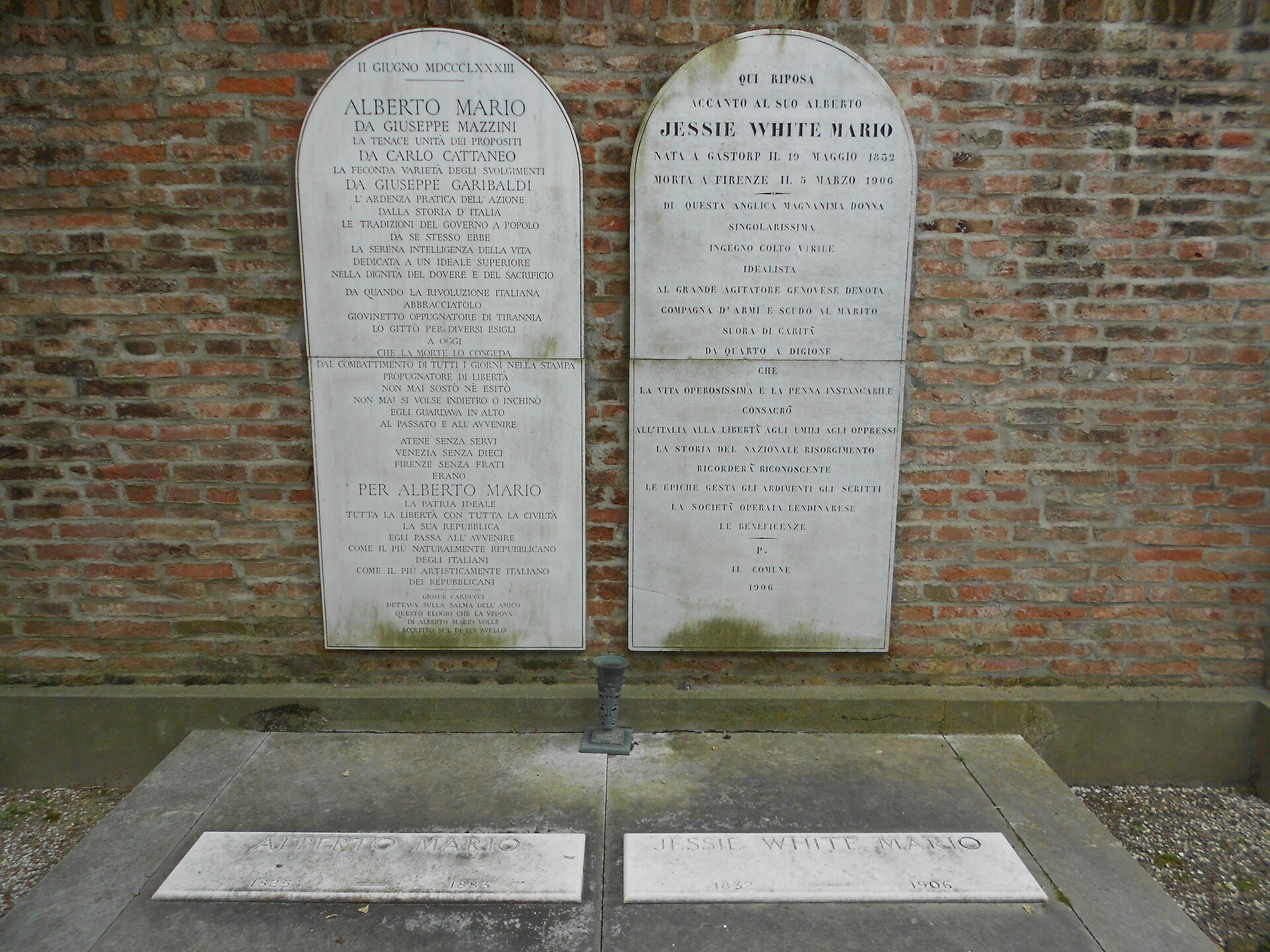
A patriot from Lendinara and an English journalist at the heart of the Risorgimento
In 1857 Alberto Mario of Lendinara met the Englishwoman Jessie White in a Genoa prison. Married within months, together they followed Garibaldi.
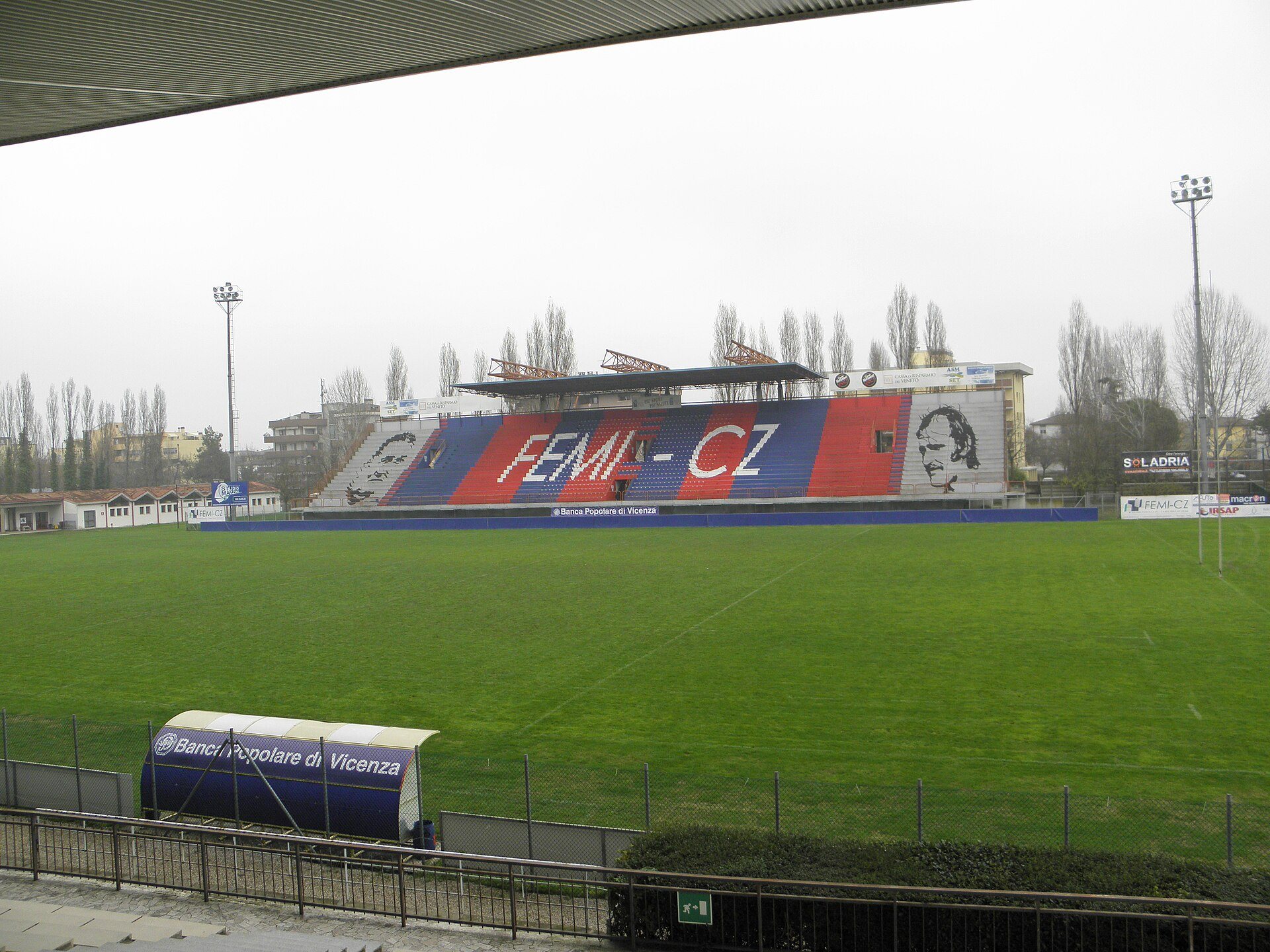
The rugby player France called «le roi des buteurs»
Mario «Maci» Battaglini, born in San Bortolo in 1919, put Rovigo on the rugby map. The city's stadium bears his name.
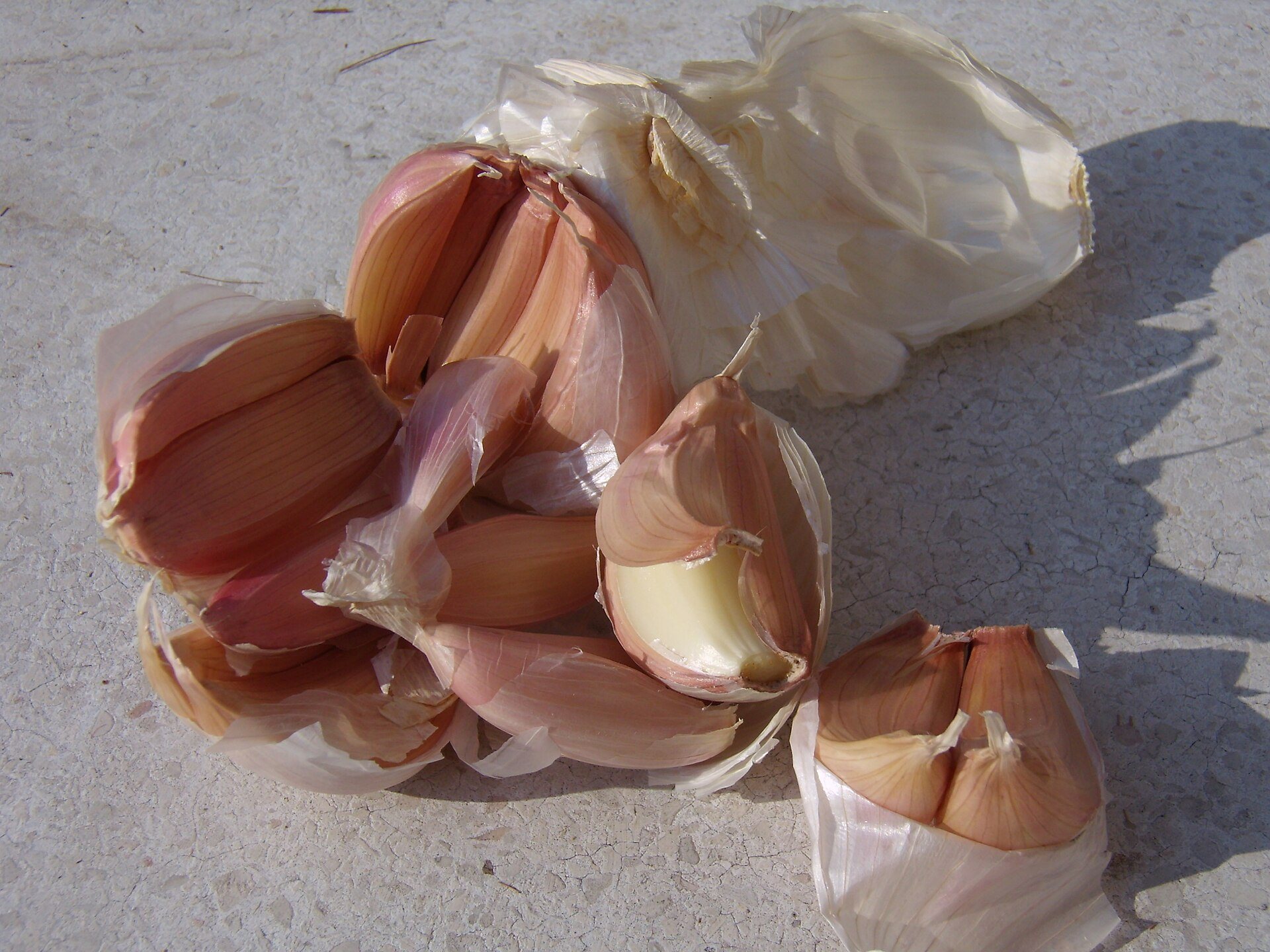
A plait of snow-white bulbs that tells of centuries of fields won from the waters
From the Romans to hand-made plaits: the story of Aglio Bianco Polesano PDO, the «white gold» grown in 29 municipalities between the Po and the Adige.
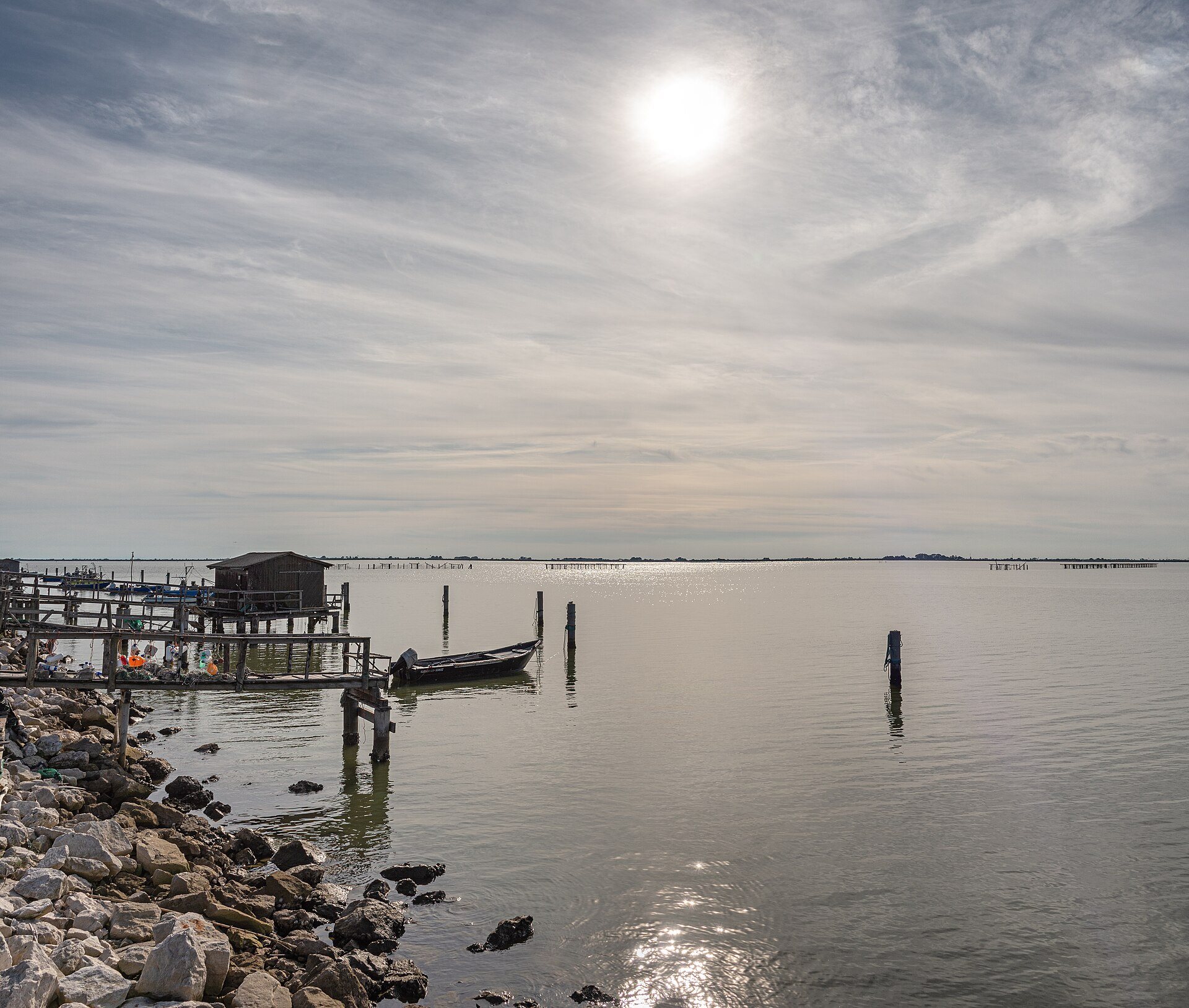
Where the Po meets the sea, a lagoon has become the nursery of a unique mussel
A lagoon between two branches of the Po, a fishing community and a flood: how the Cozza di Scardovari PDO came to be, the «peòcio» of the Delta.
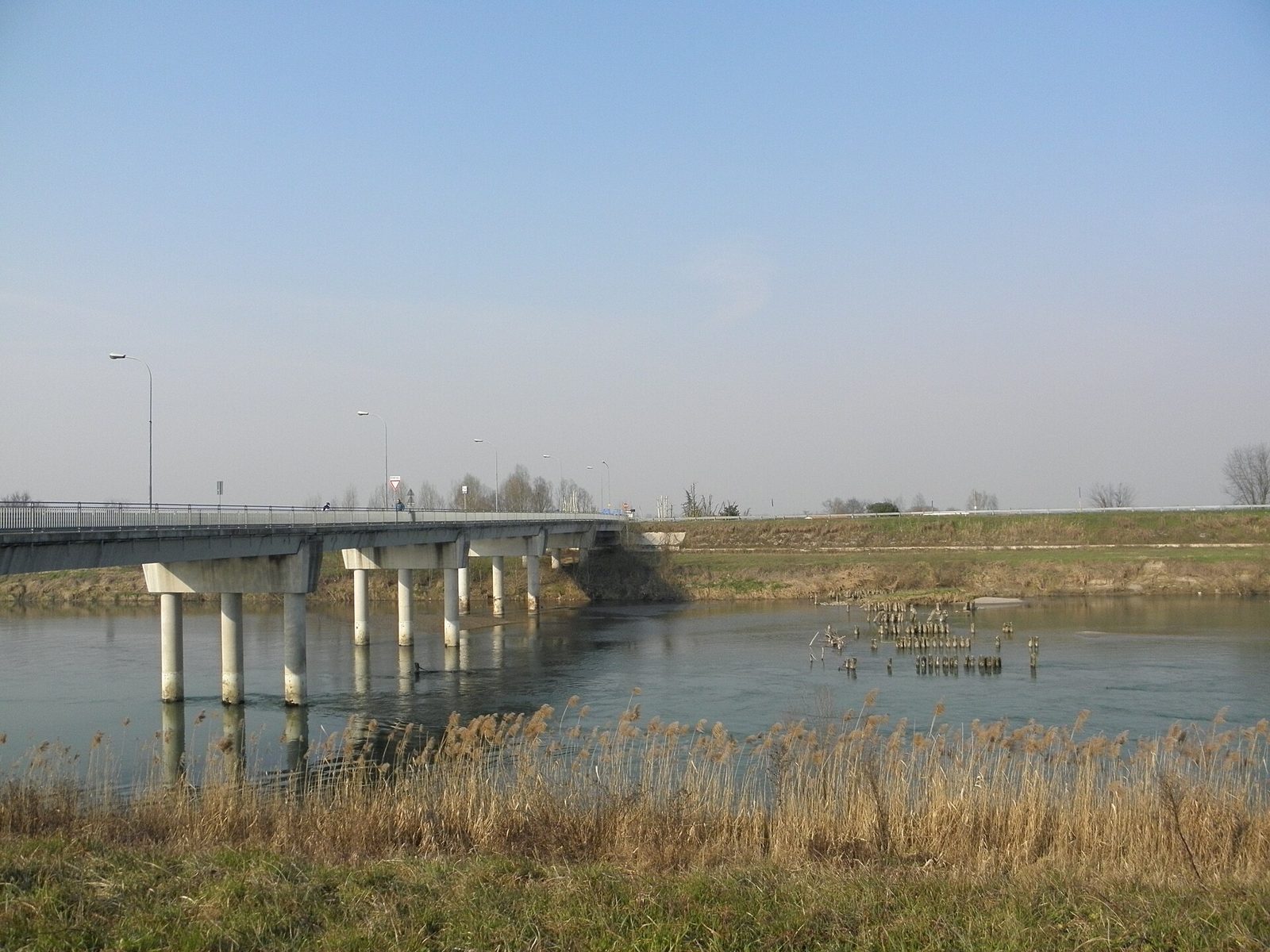
A breach in the river buried the fields in sand: from that came the «Capitale degli Orti»
A breach in the Adige buried the fields in sand and wheat would no longer grow. Lettuce took its place: the story of Insalata di Lusia PGI.
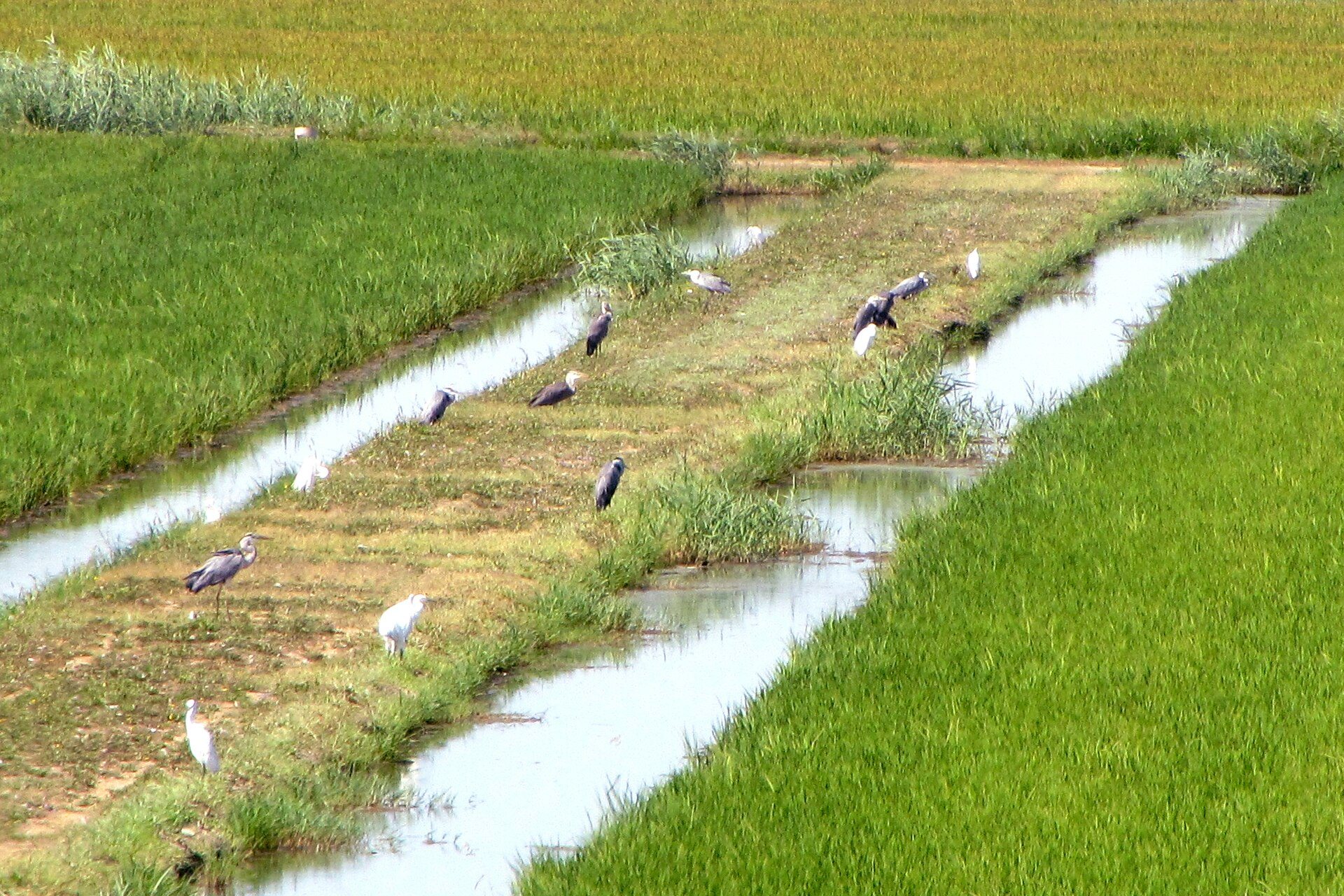
From the estates of Venetian patricians to the mondine: five centuries of rice on reclaimed land
In the Delta, rice arrived with land reclamation: from the Venetian laws of 1594 to the mondine, the story of Riso del Delta del Po PGI.
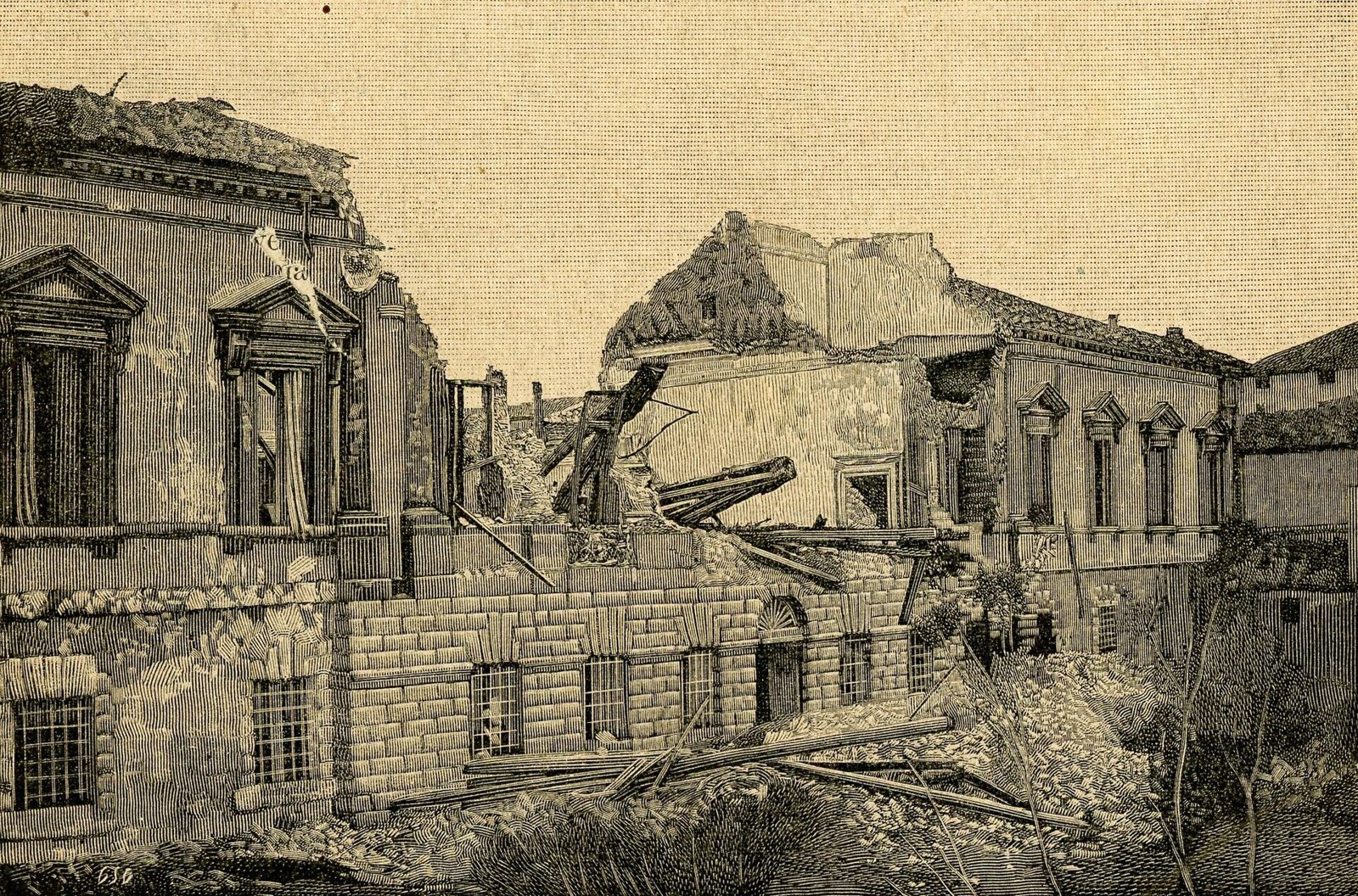
The farmhands' cry that shook the Po valley countryside
«La boje, e de boto la va de fora»: in 1884 the cry of Polesine farmhands named one of Italy's first peasant movements.
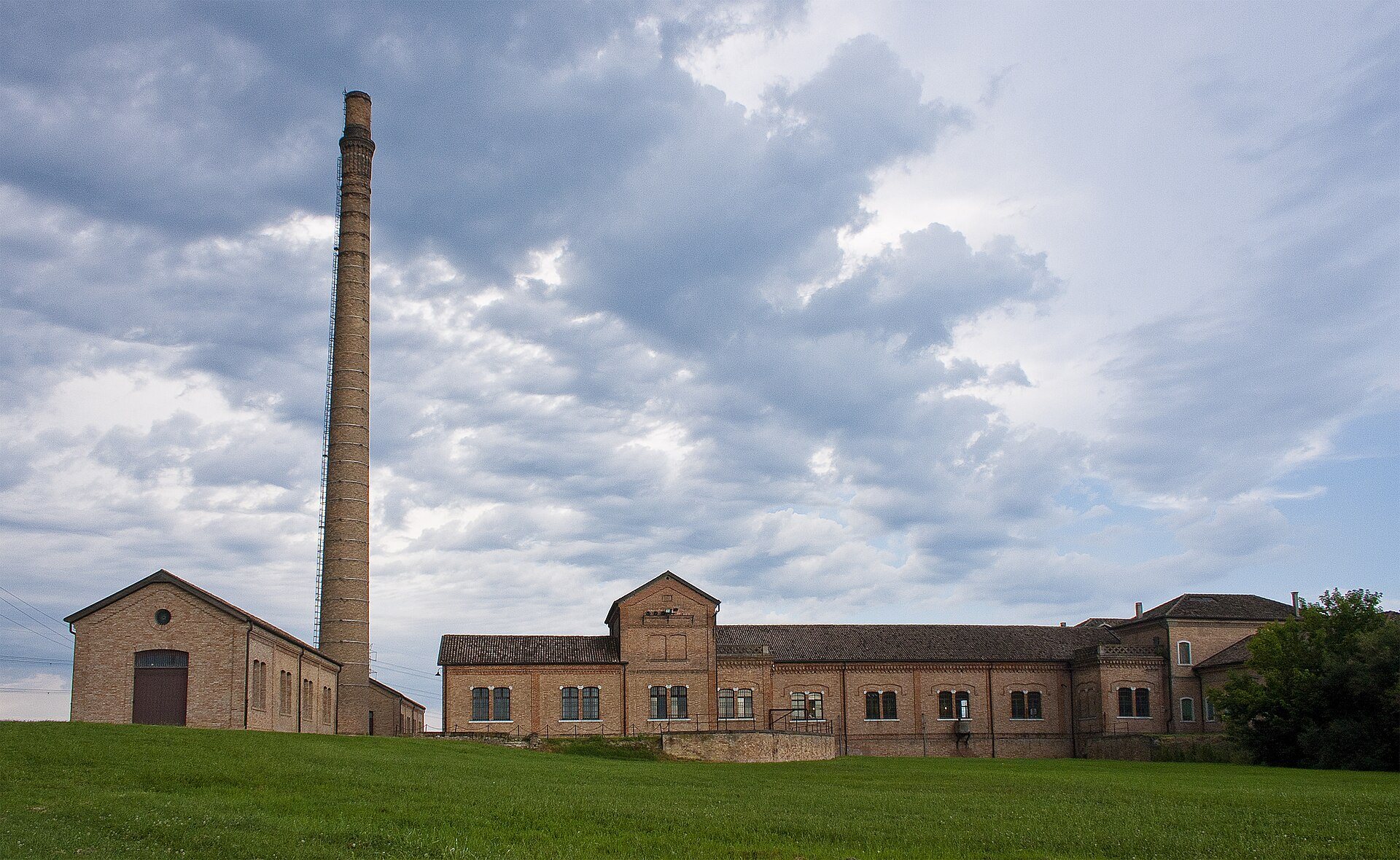
A sixty-metre chimney in the heart of the Delta tells how the land was made
Boilers, pumps and a 60-metre chimney: the Ca' Vendramin pumping station, now the Museum of Land Reclamation, tells how the Delta became land.
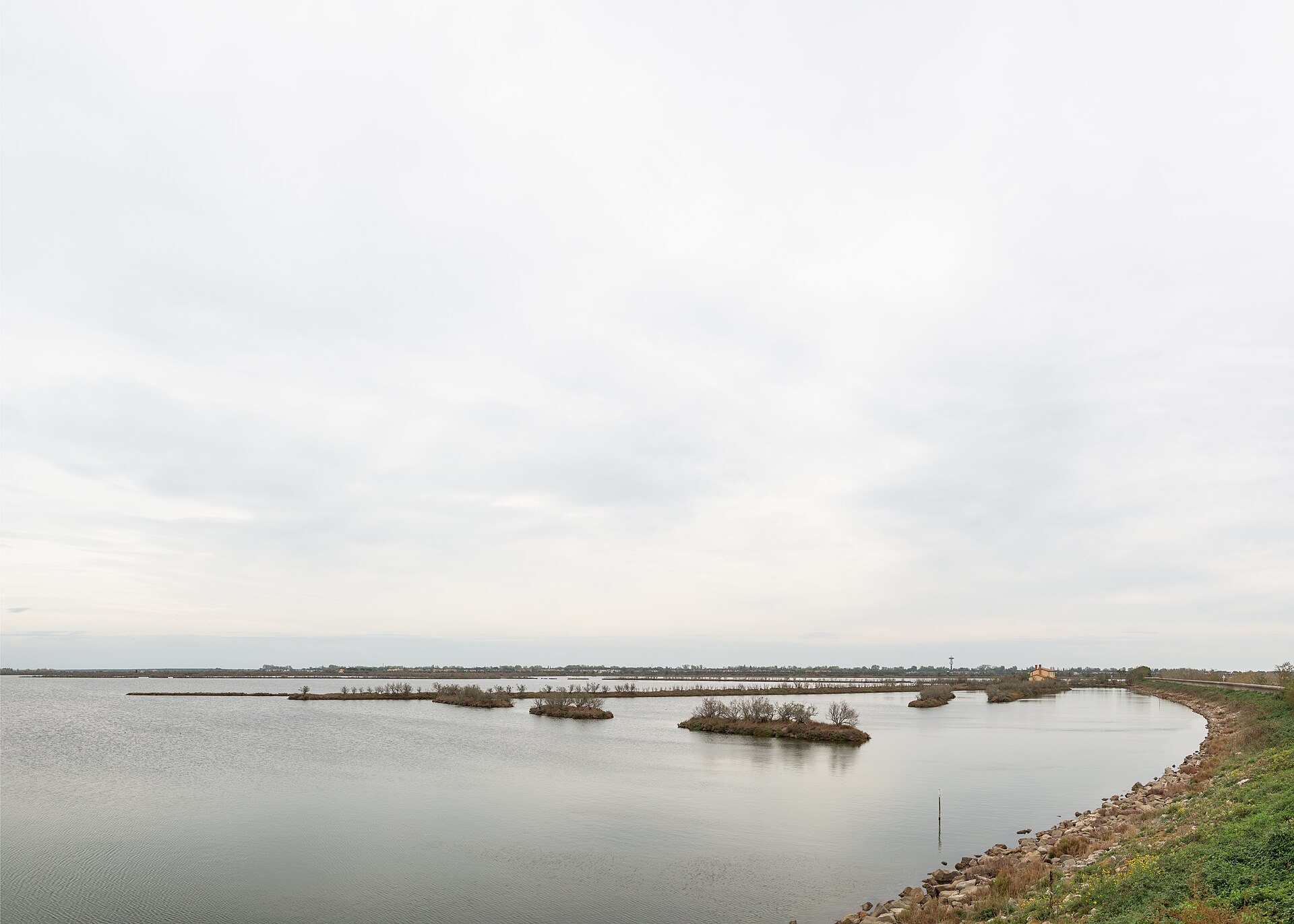
Embankments, sluices and lavorieri: the age-old art of raising fish between lagoon and river
Brackish basins closed by embankments, arrow-shaped fish traps and reed huts with cube chimneys: life in the fishing valli of the Po Delta.
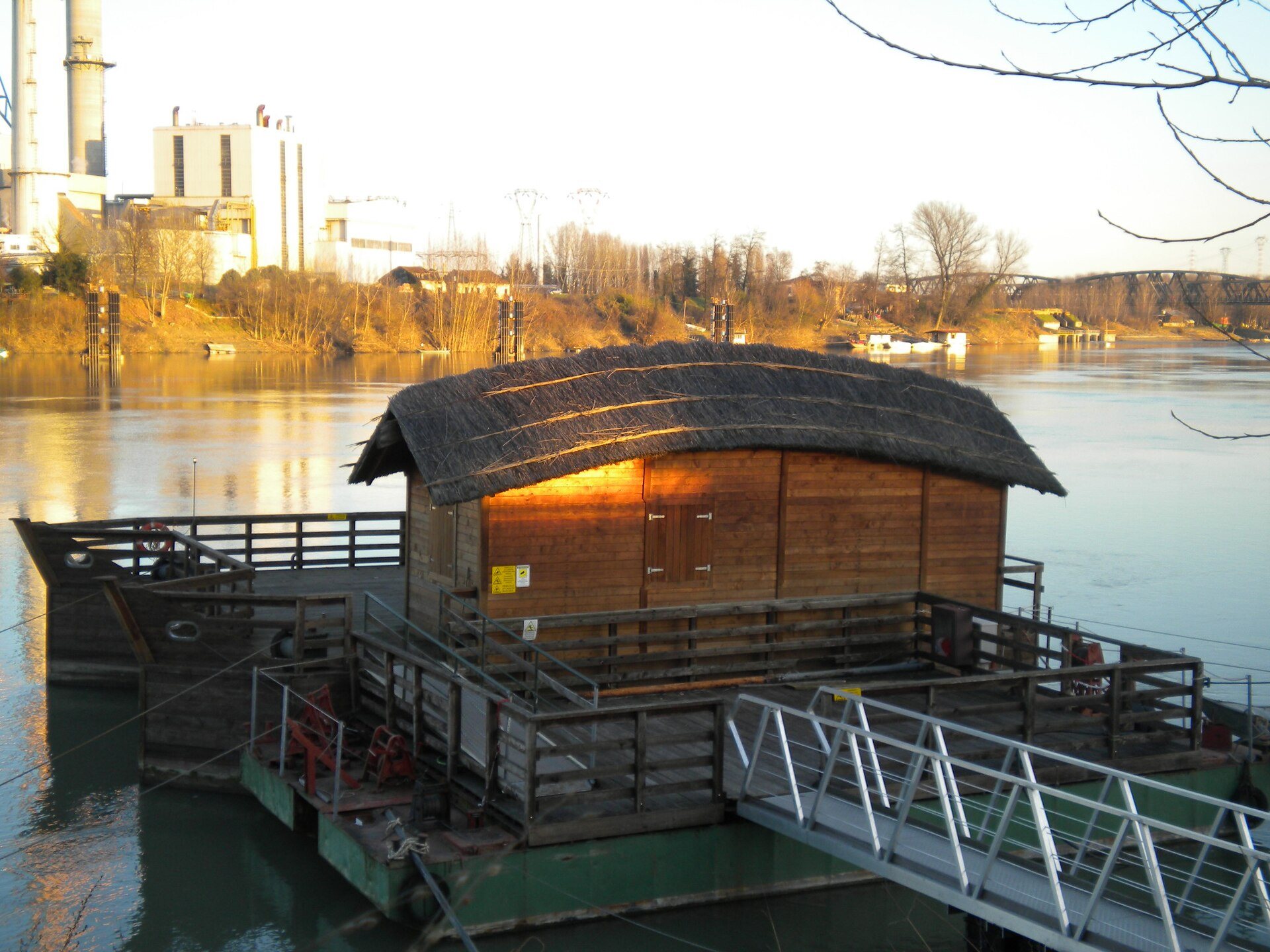
Boats with a great wheel ground grain driven by the current: around Rovigo there were dozens
Two boats, a wheel, a little house with millstones: for centuries floating mills ground grain on the Po and the Adige. Where to find them today.
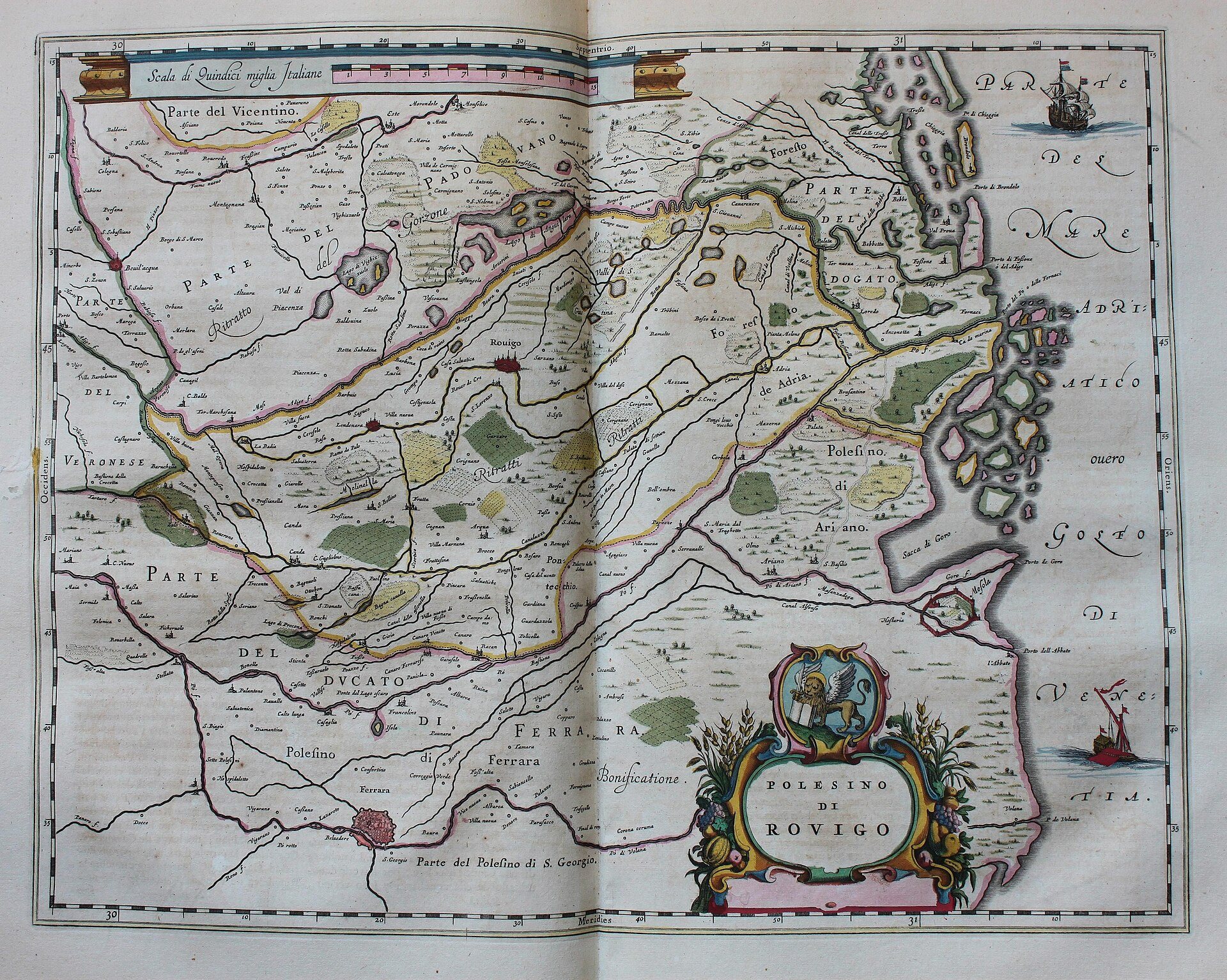
Before it was a province, it was the name for a river island
«Polesine» was once an ordinary word for a strip of flat land cut off by floods. Its etymology speaks of voids and soft ground.
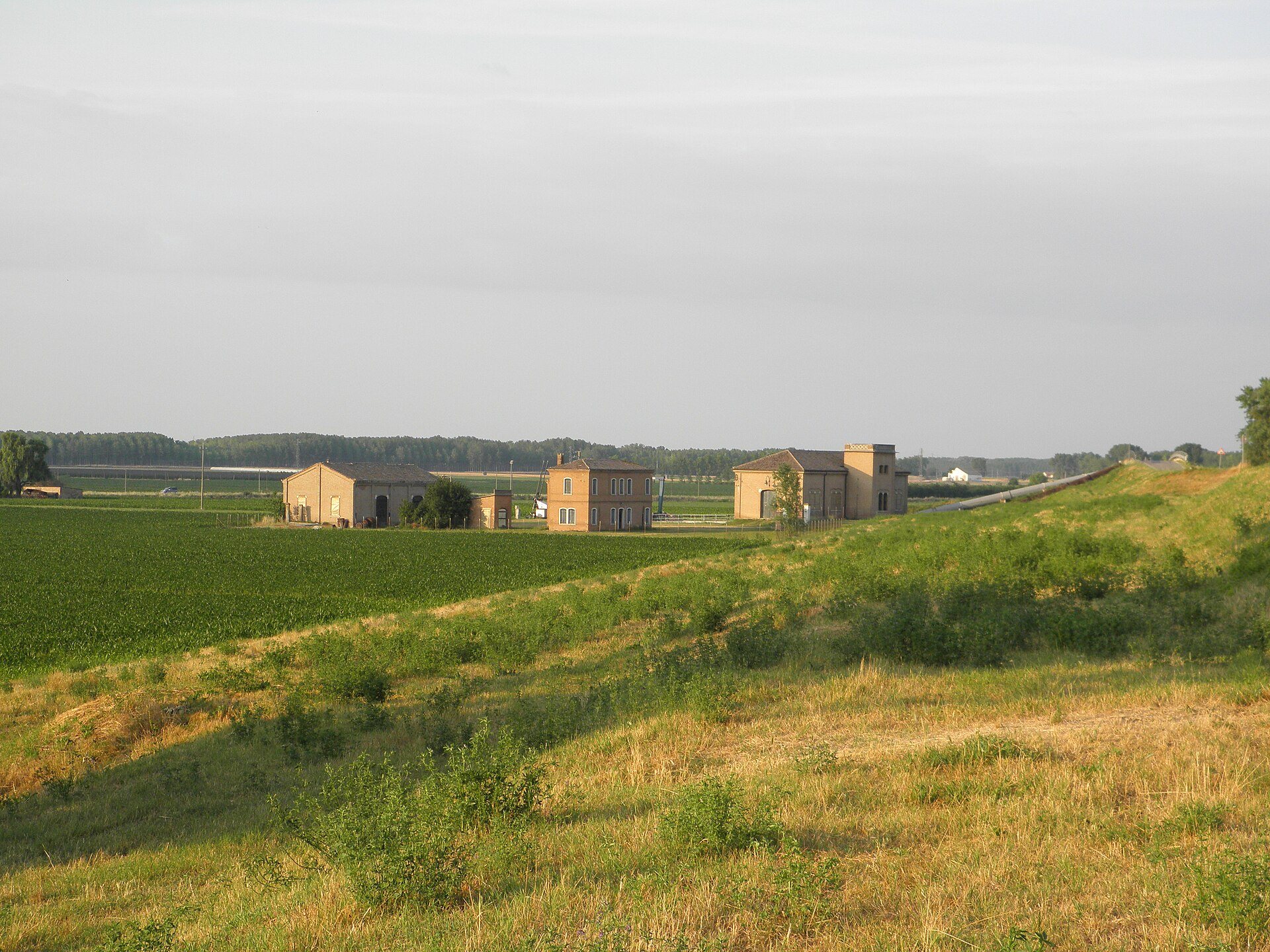
In the lower Polesine the land has sunk by metres in just a few decades
In parts of the Delta the ground lies 3-3.5 metres below sea level. The cause: subsidence linked to 20th-century extraction.
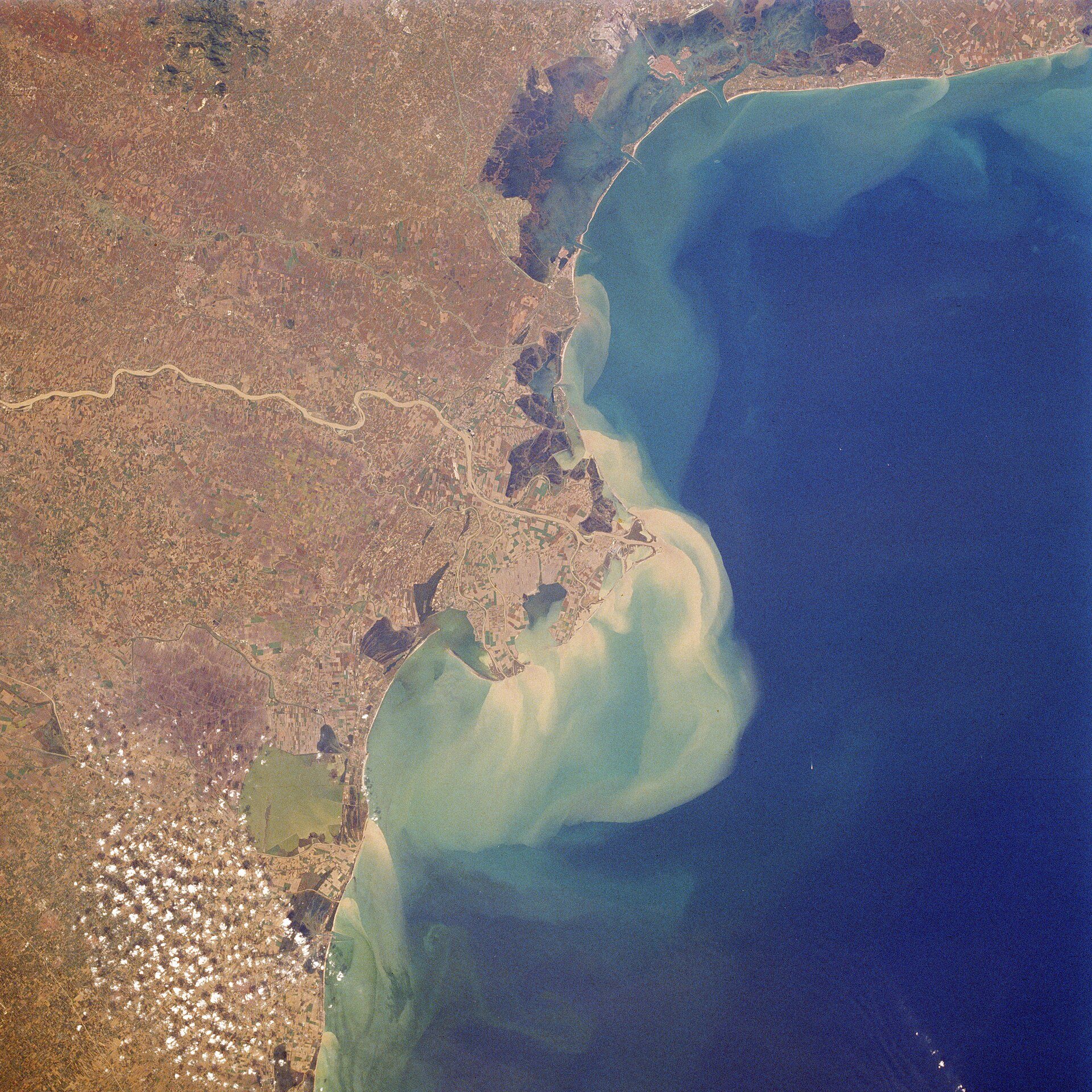
Peninsulas born in three centuries, now being reclaimed by the sea
Much of the Po Delta came into being after 1604: peninsulas that did not exist in the 17th century. Today, though, the coast is retreating in places.
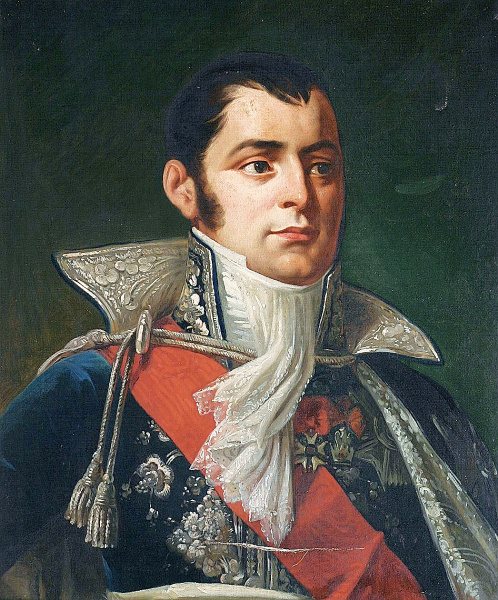
An imperial title held by a Frenchman who ran the police
In 1808 Napoleon made his loyal René Savary «Duke of Rovigo»; two years later Savary became Minister of Police.
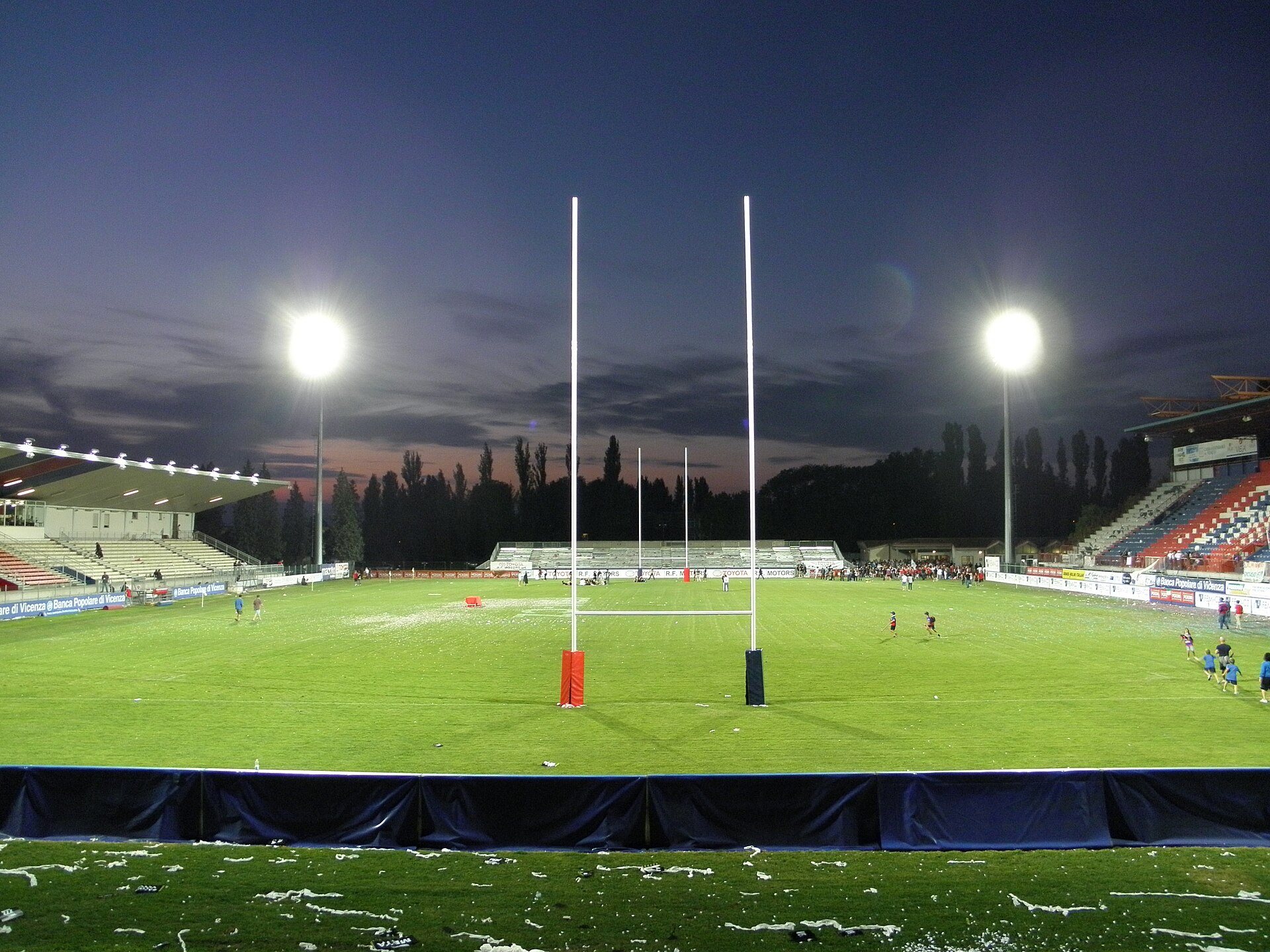
Fifteen championships and a passion born in 1935
Rugby came to Rovigo in 1935. Since then the team has won 15 Italian championships and has never been relegated from the top flight.
Where Antonioni learned to look at landscape
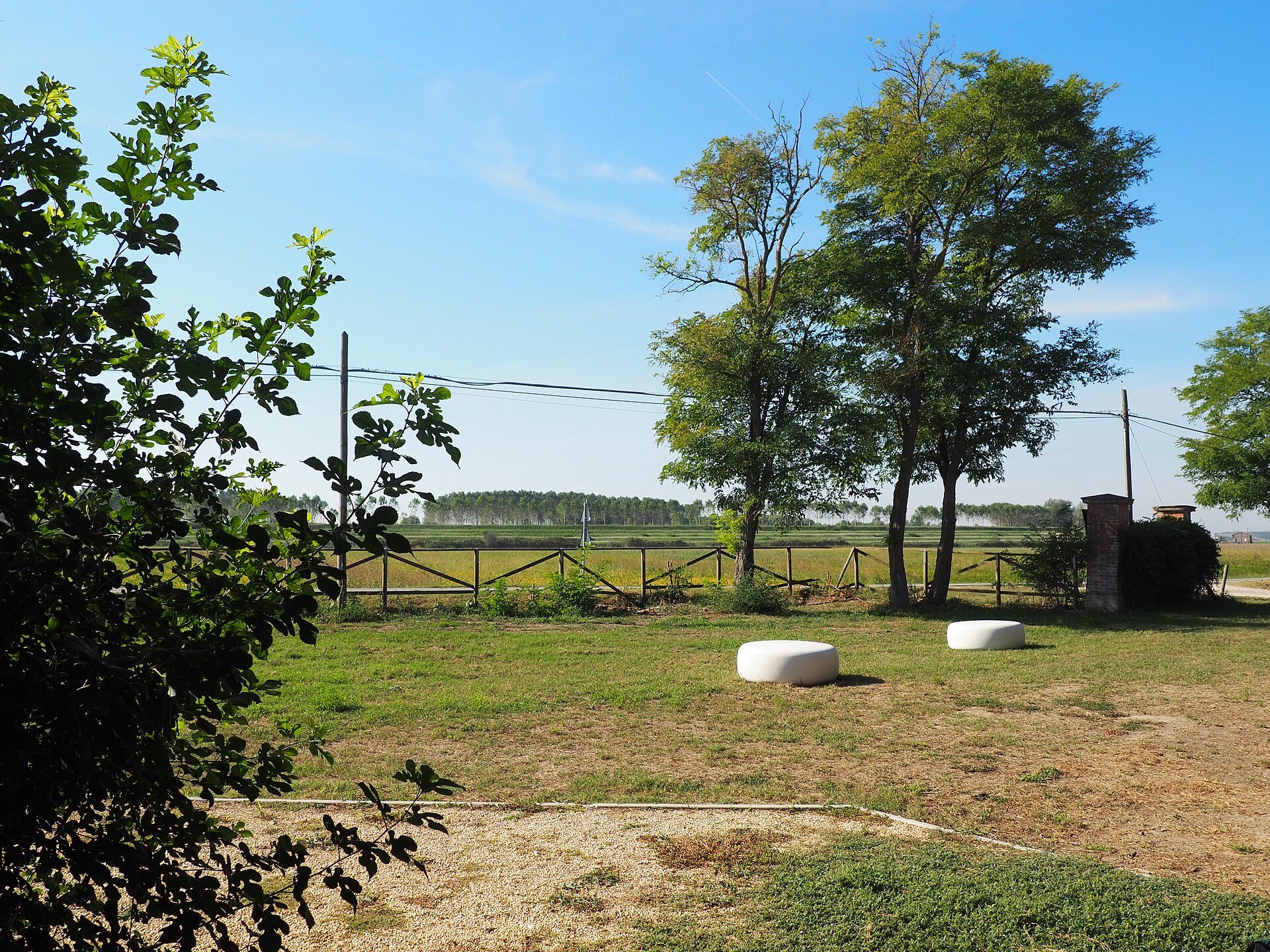
Antonioni made his documentary debut with «Gente del Po» and returned to the embankments for «Il grido». The Delta has hosted dozens of auteur films.
The War of Ferrara and the peace of 7 August 1484
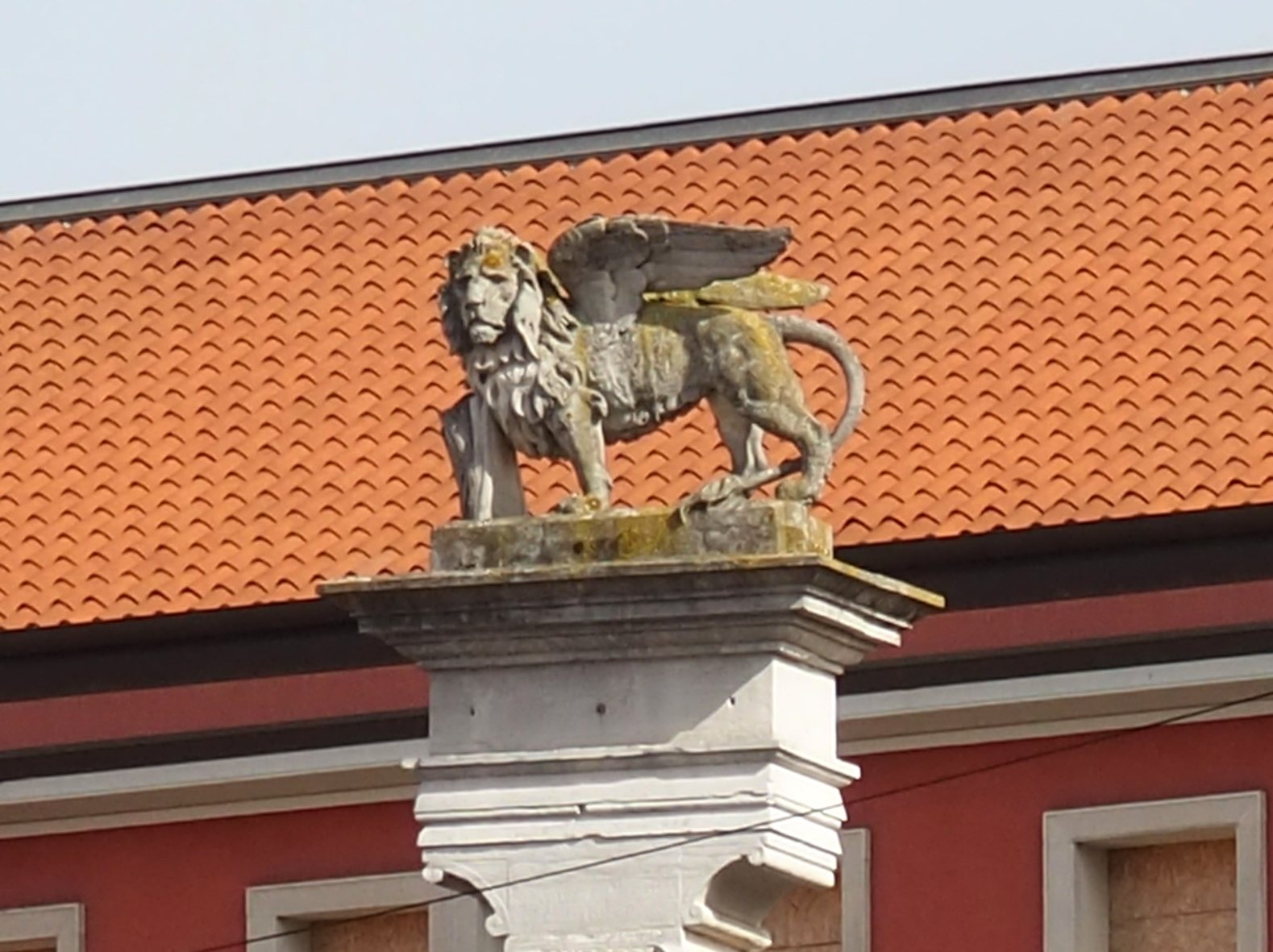
The Polesine became Venetian after a war fought partly over the salt of Comacchio. The Peace of Bagnolo, in 1484, settled the matter.
Where protected nature coexists with the people who live and work there
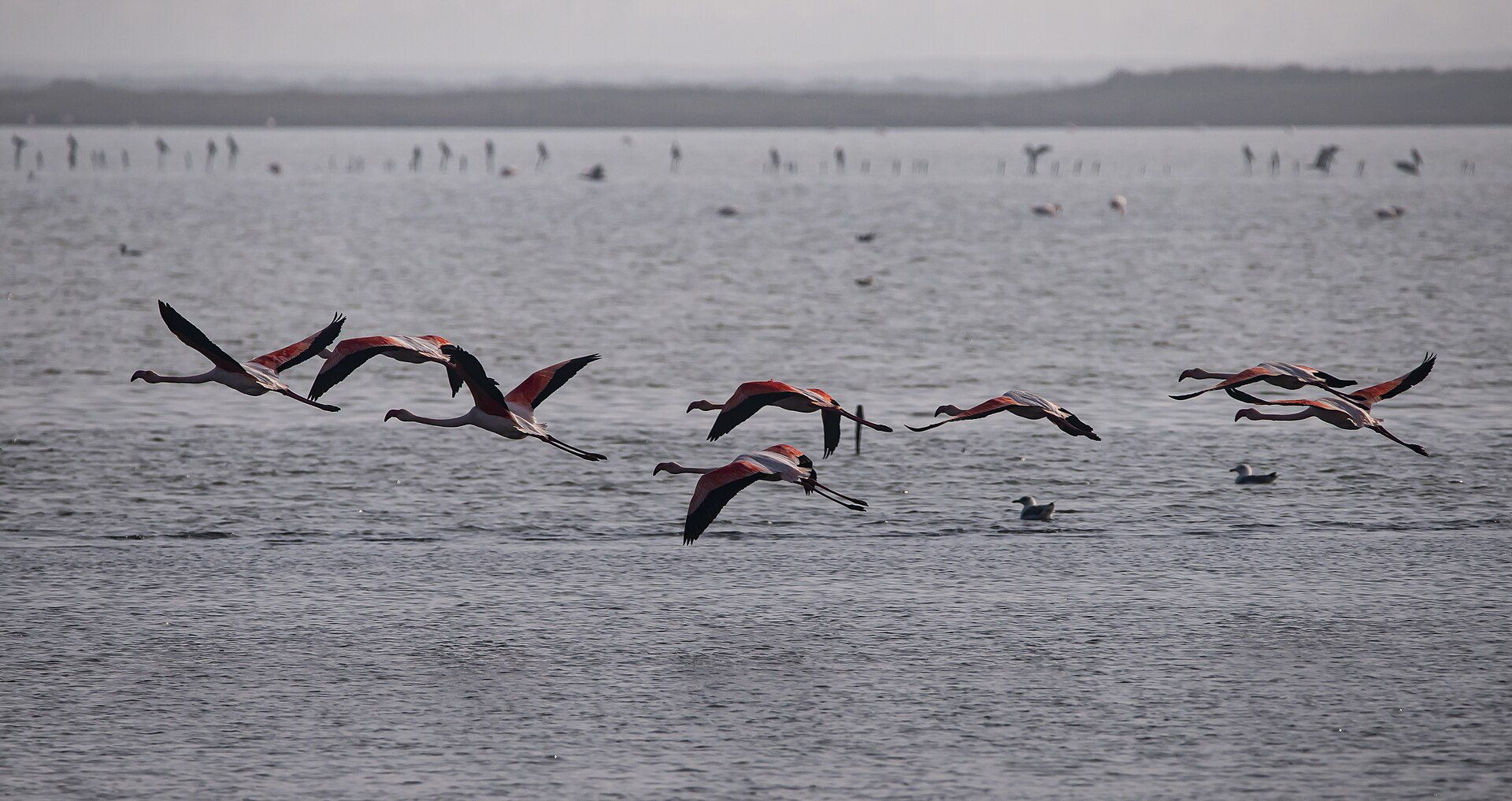
Since 2015 the Po Delta has been a UNESCO Biosphere Reserve: about 140,000 hectares across Veneto and Emilia-Romagna, over 350 bird species.