
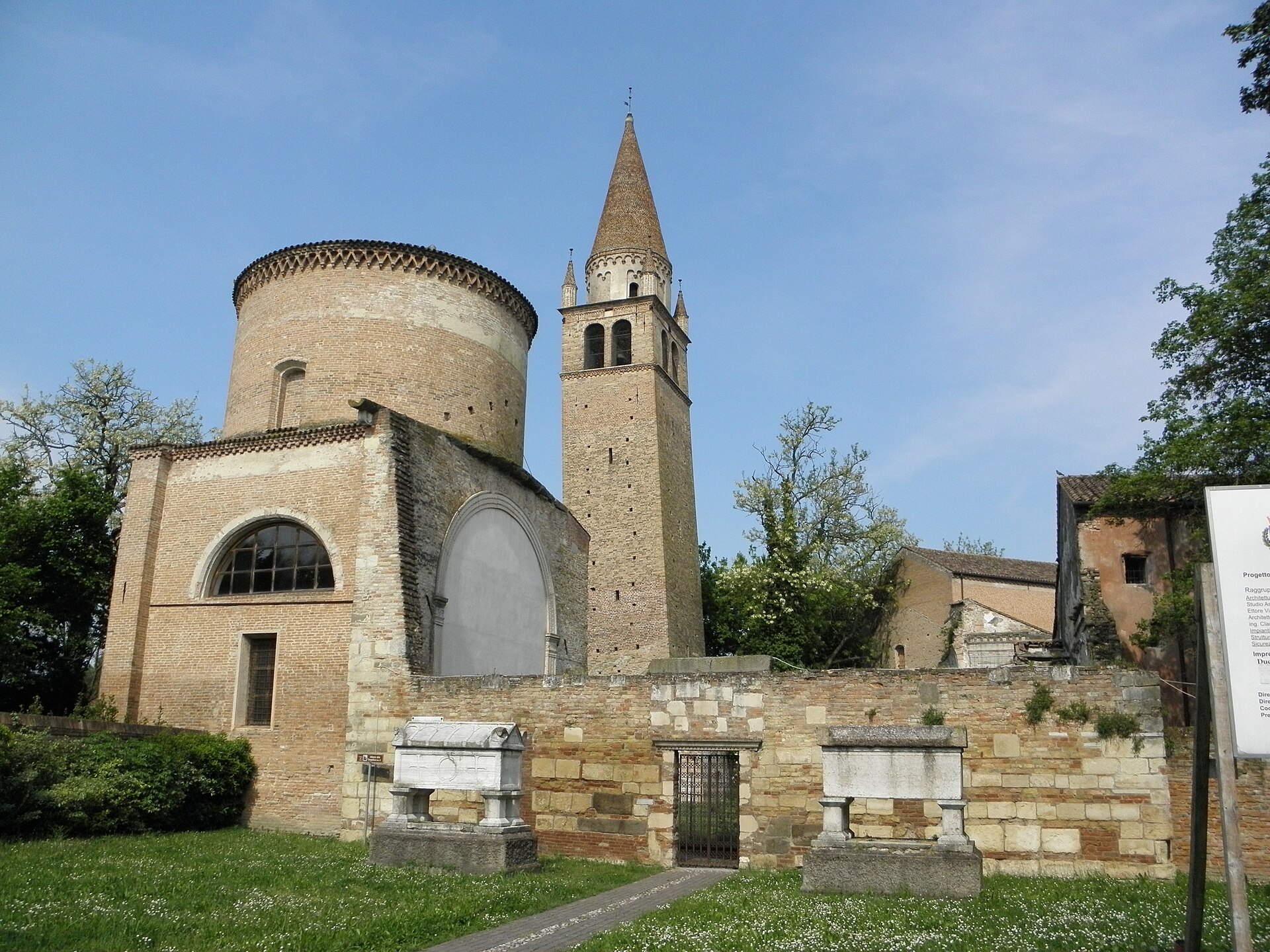
Abbey of the Vangadizza
The abbey that was both lordship and diocese
Badia Polesine is named after an abbey that was once a fief and a diocese. Its cloister, apse and leaning bell tower still hold that memory.
Discover what to see in Rovigo, from squares and churches to hidden places in the Polesine. Browse photographs, sources and place guides to choose the stops for your visit.
40 results
The abbey that was both lordship and diocese
Badia Polesine is named after an abbey that was once a fief and a diocese. Its cloister, apse and leaning bell tower still hold that memory.
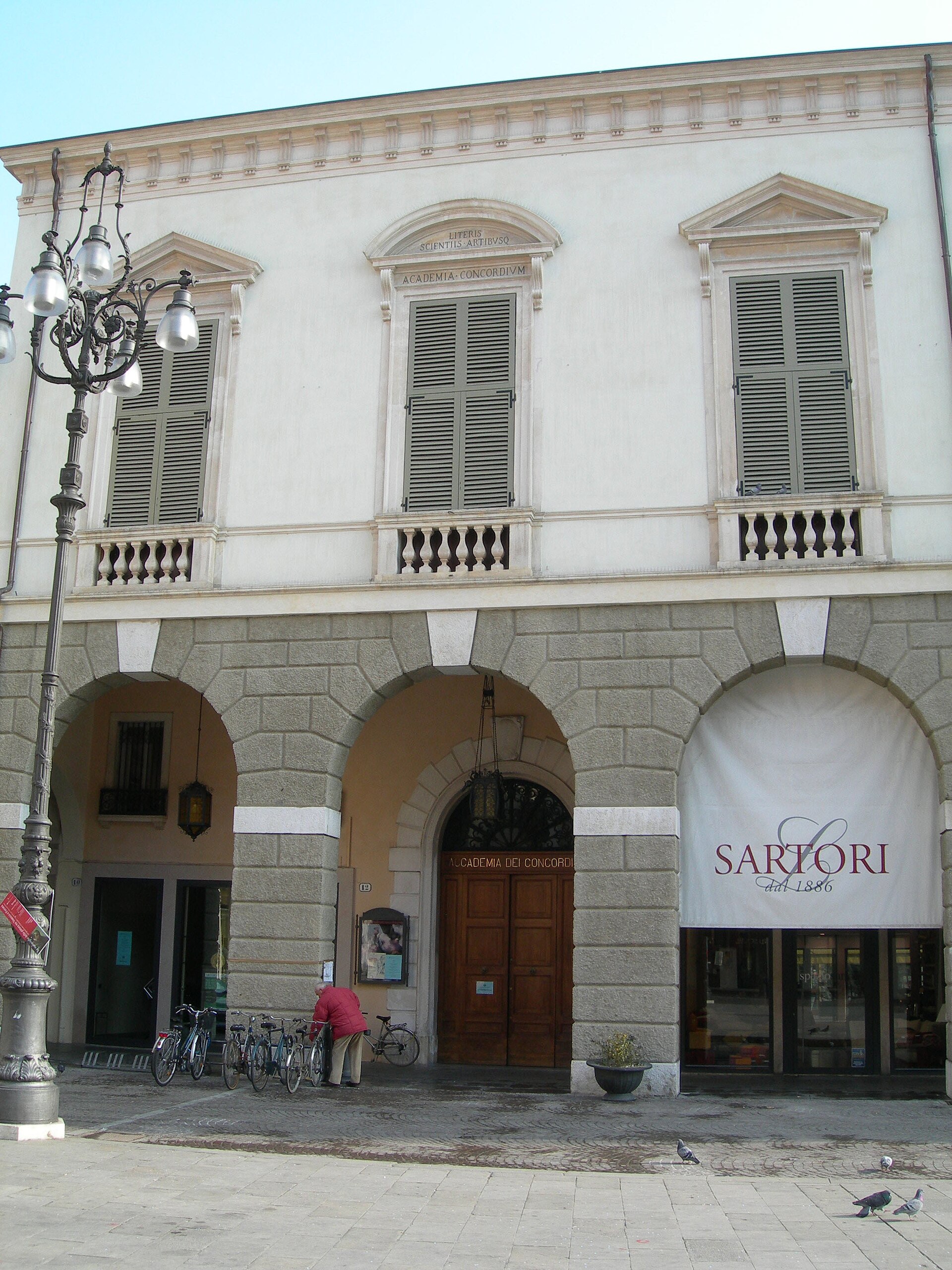
Four and a half centuries of books, art and concord
Born in 1580 from gatherings of men of letters in a count’s palazzo, the Accademia dei Concordi keeps the city library and a precious art collection.
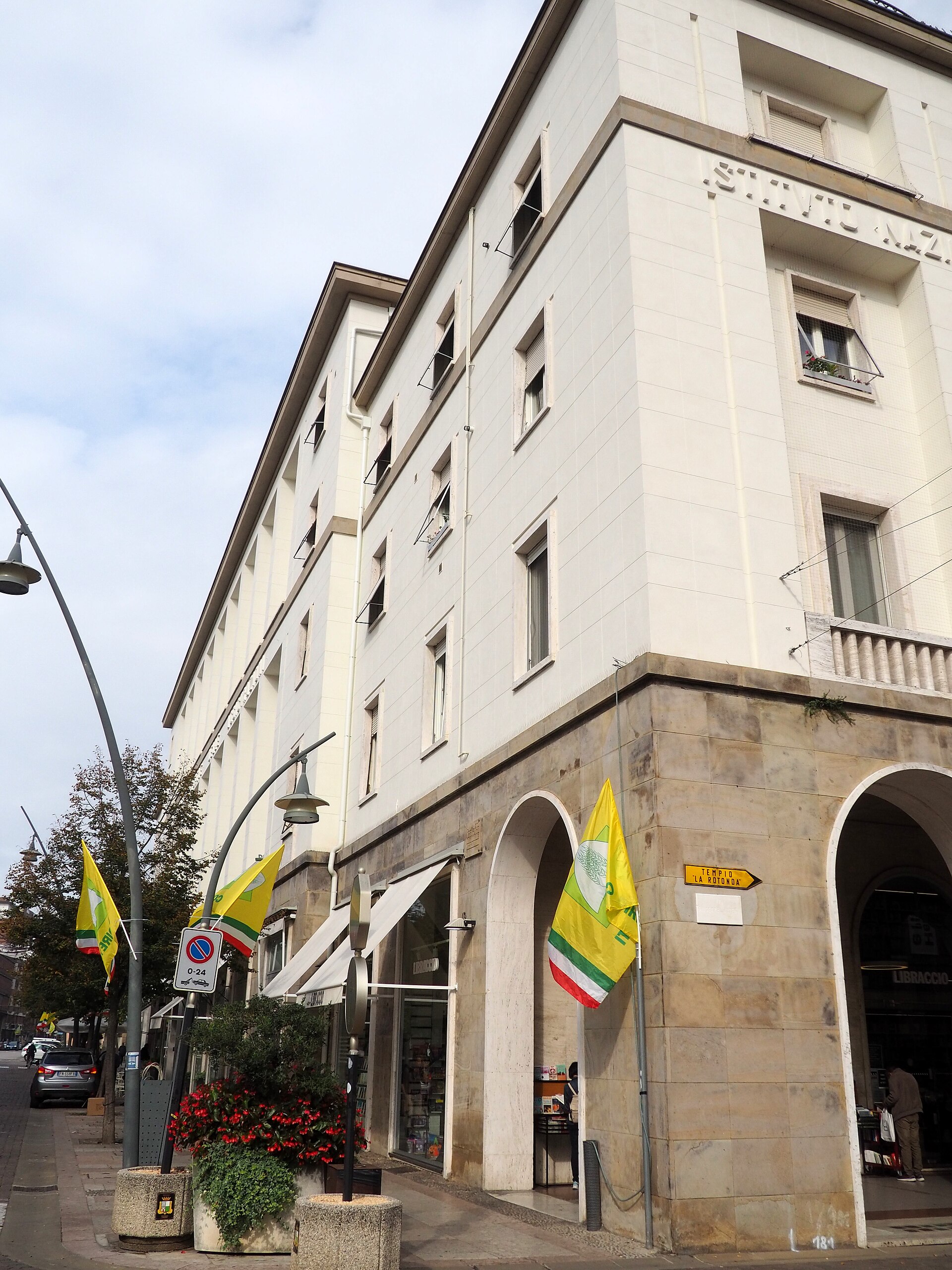
The street that walks on top of a river
Corso del Popolo runs where the Adigetto once flowed. In 1937 the river was diverted, and the old river town changed its face.
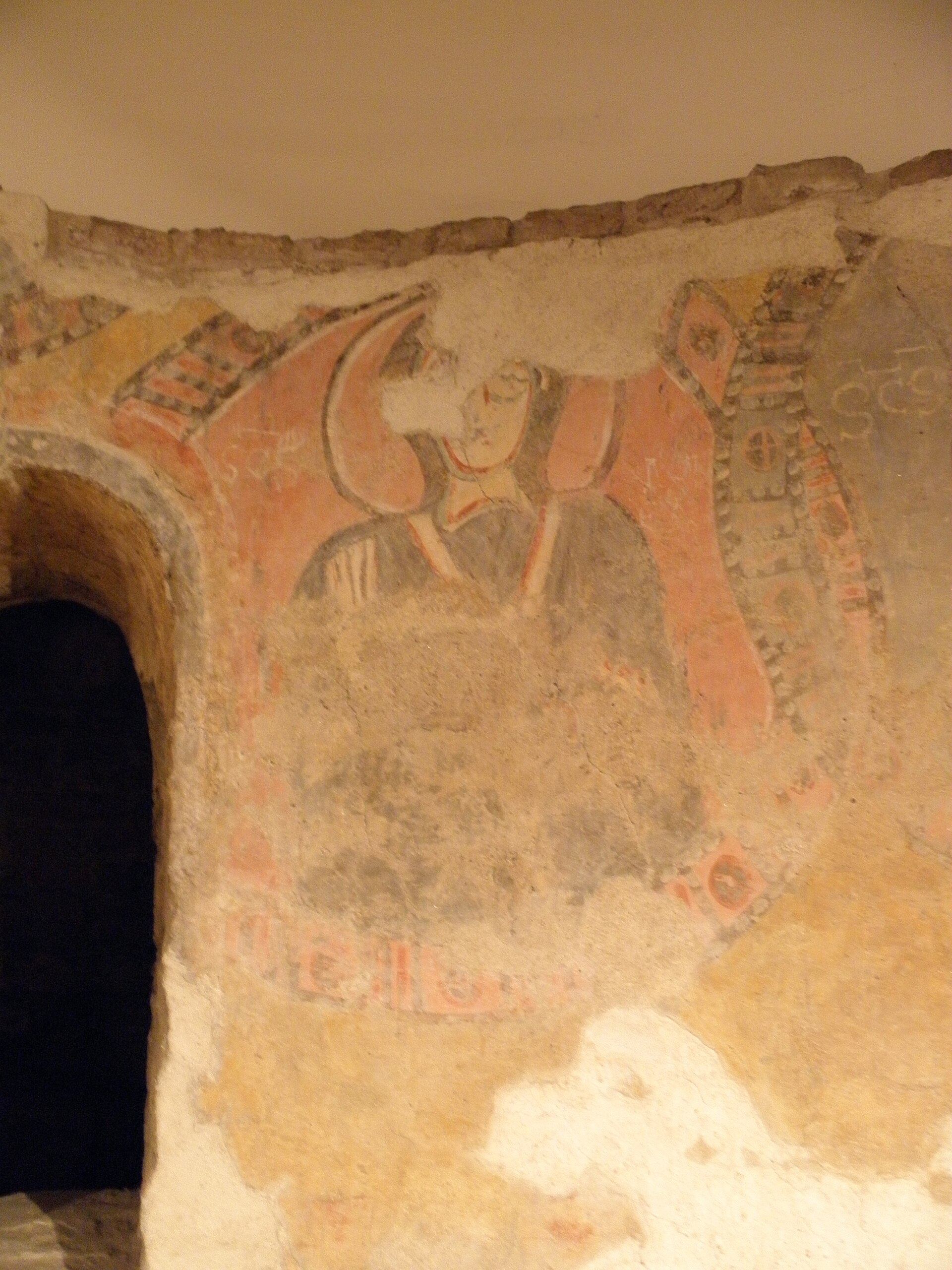
Two cathedrals and six apostles underground
In Adria two cathedrals face each other a few steps apart. Beneath, a frescoed chapel with six apostles keeps over a thousand years of faith.
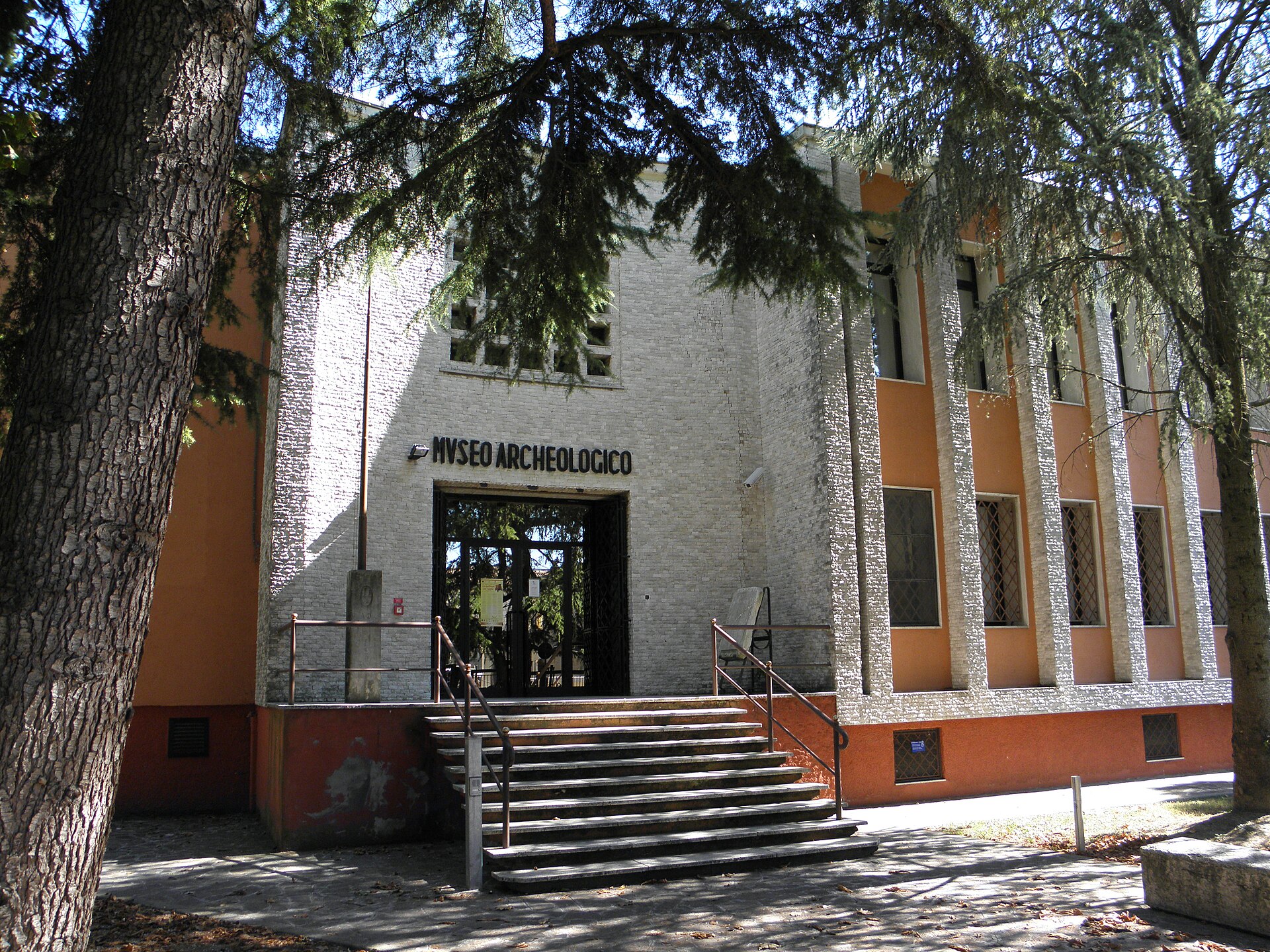
The chariot, the three horses and the town that named a sea
Three harnessed horses and a 3rd-century BC war chariot: in Adria’s museum the Etruscan town that gave the Adriatic its name resurfaces.
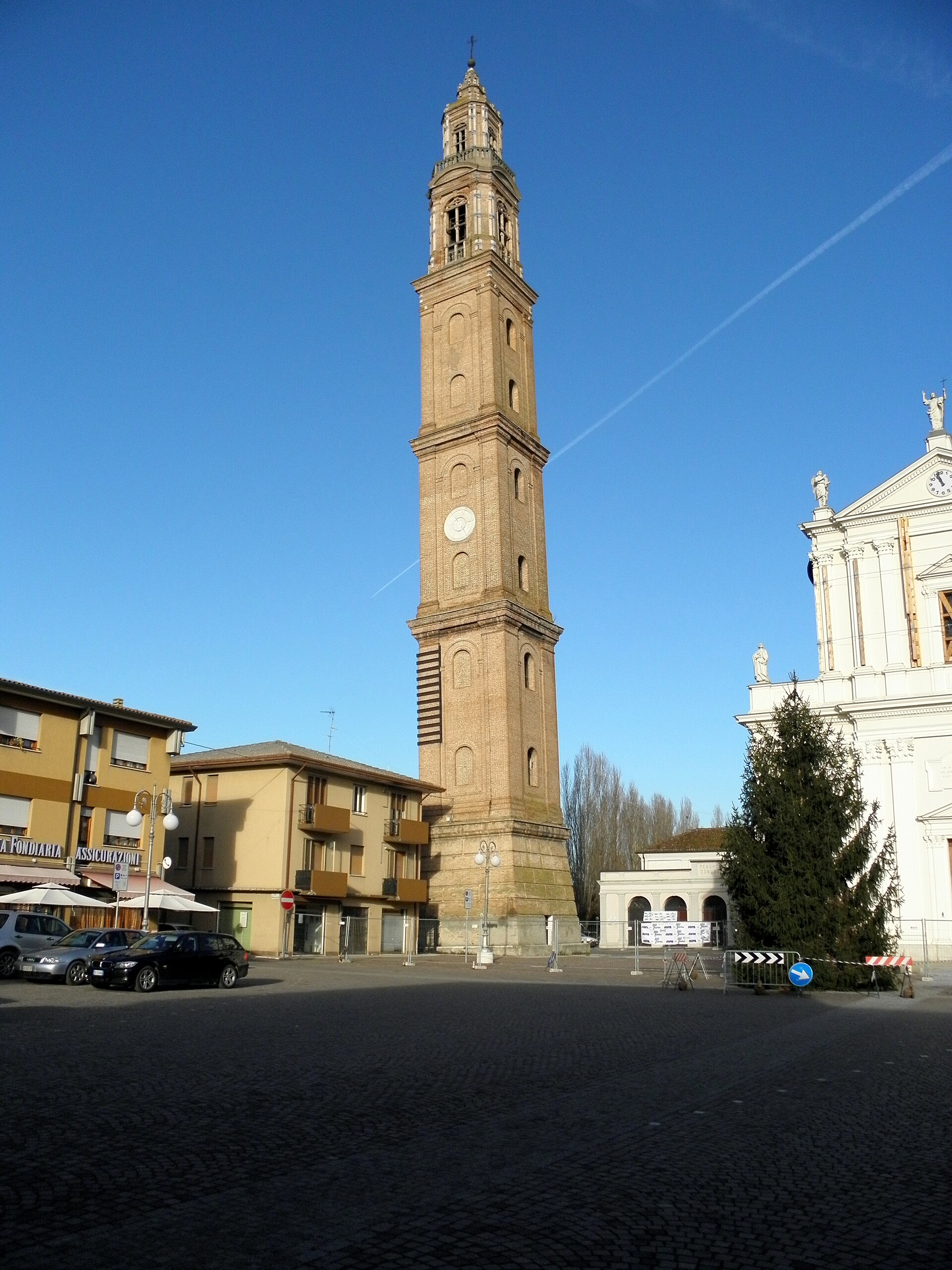
The crooked tower that corrected itself
Ficarolo’s bell tower doesn’t just lean: its profile breaks into three sections, the mark of a long struggle between its builders and the ground.
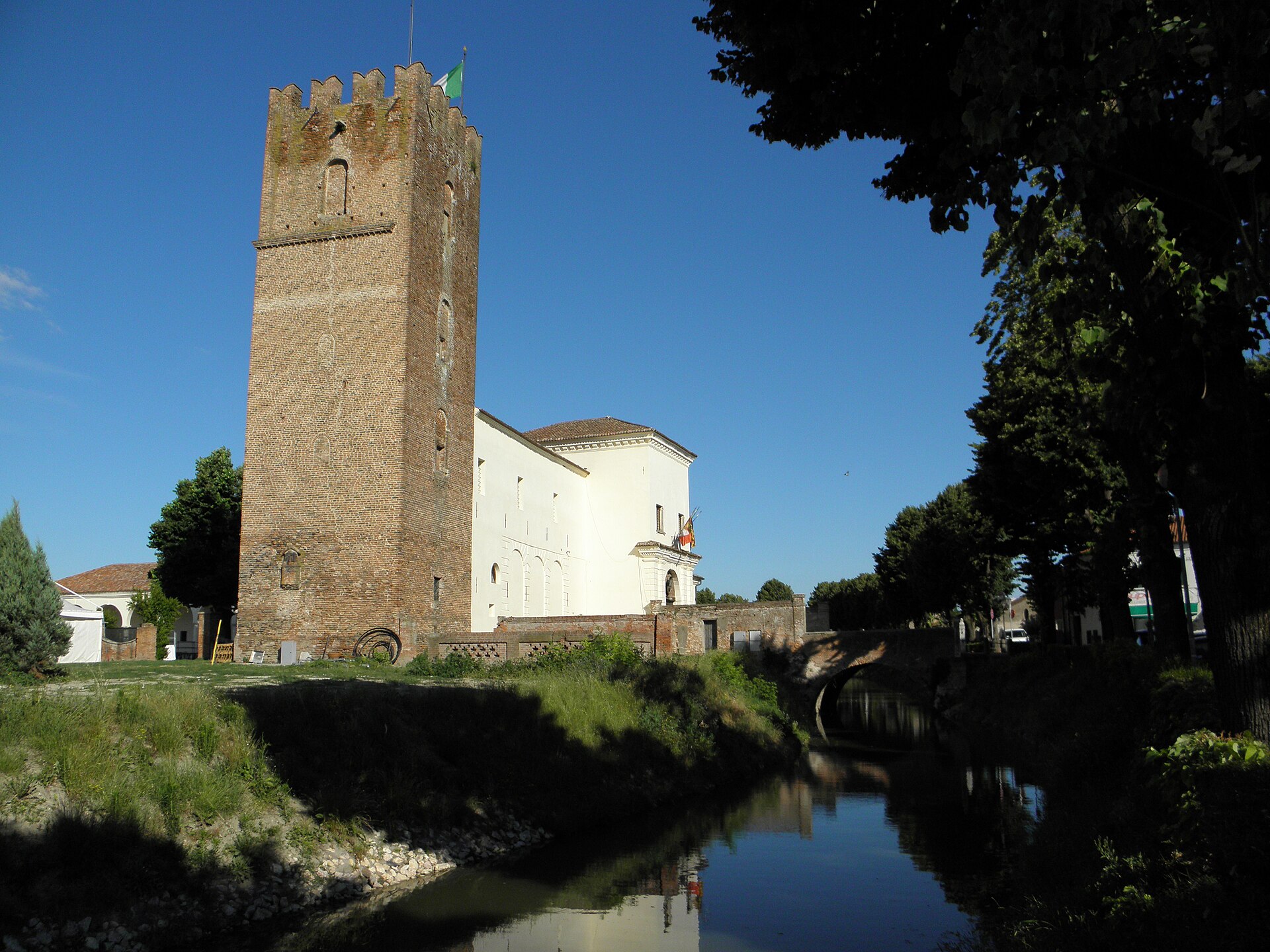
A tower, a moat and a secret passage never found
A crenellated tower, a moat and a courtyard of thirteen arches: in Arquà a 12th-century castle endures, with the legend of a secret passage.
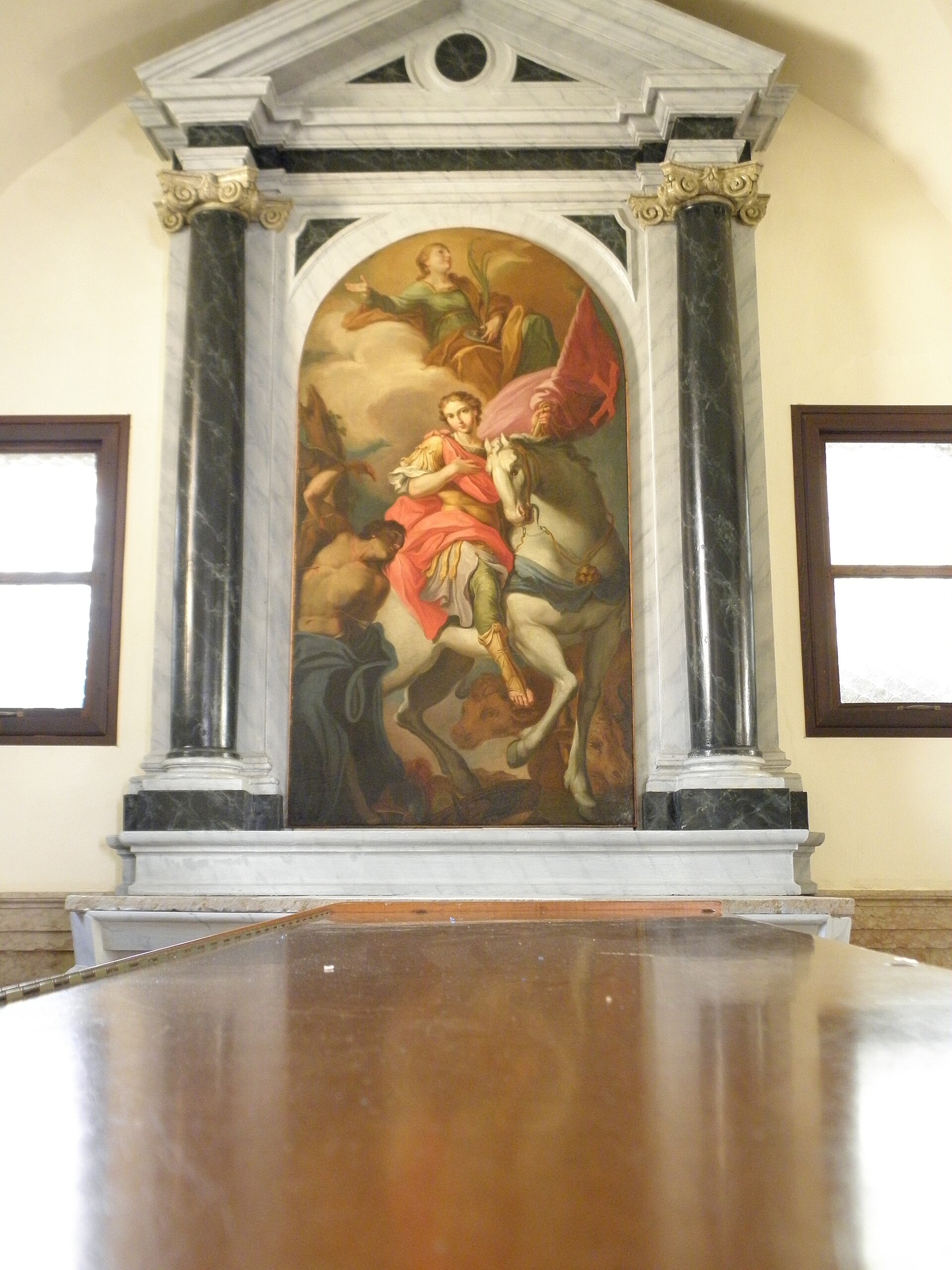
The oratory born with the first Franciscans
A stone’s throw from San Francesco, a 15th-century oratory stands where the first friars built a chapel. Inside: white columns and an old Madonna.
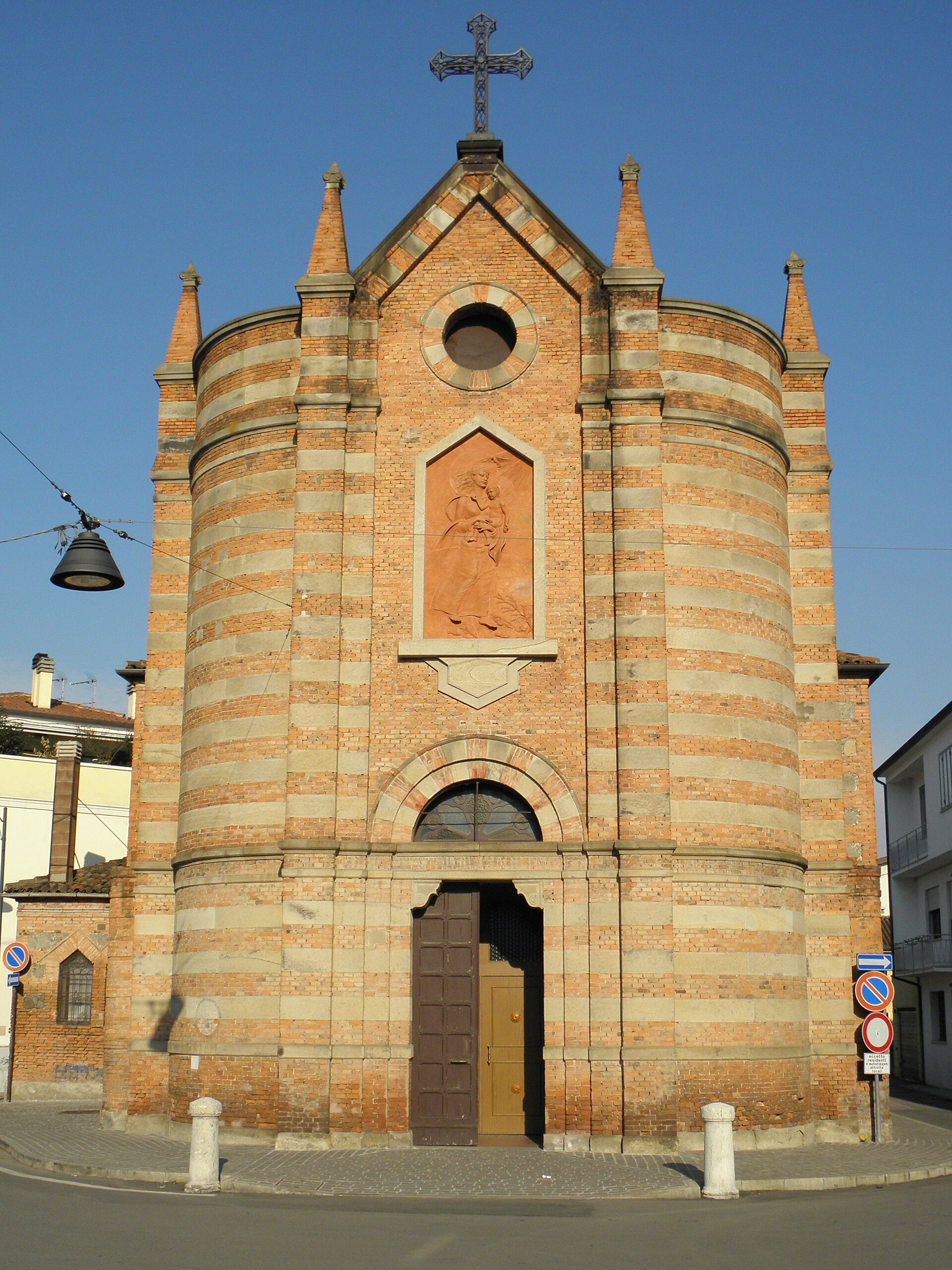
A Madonna of Pompeii in Rovigo’s poorest quarter
The Fosse were a poor, unhealthy quarter of old Rovigo. Here, in the early 1900s, a two-tone chapel rose for the Madonna of Pompeii.
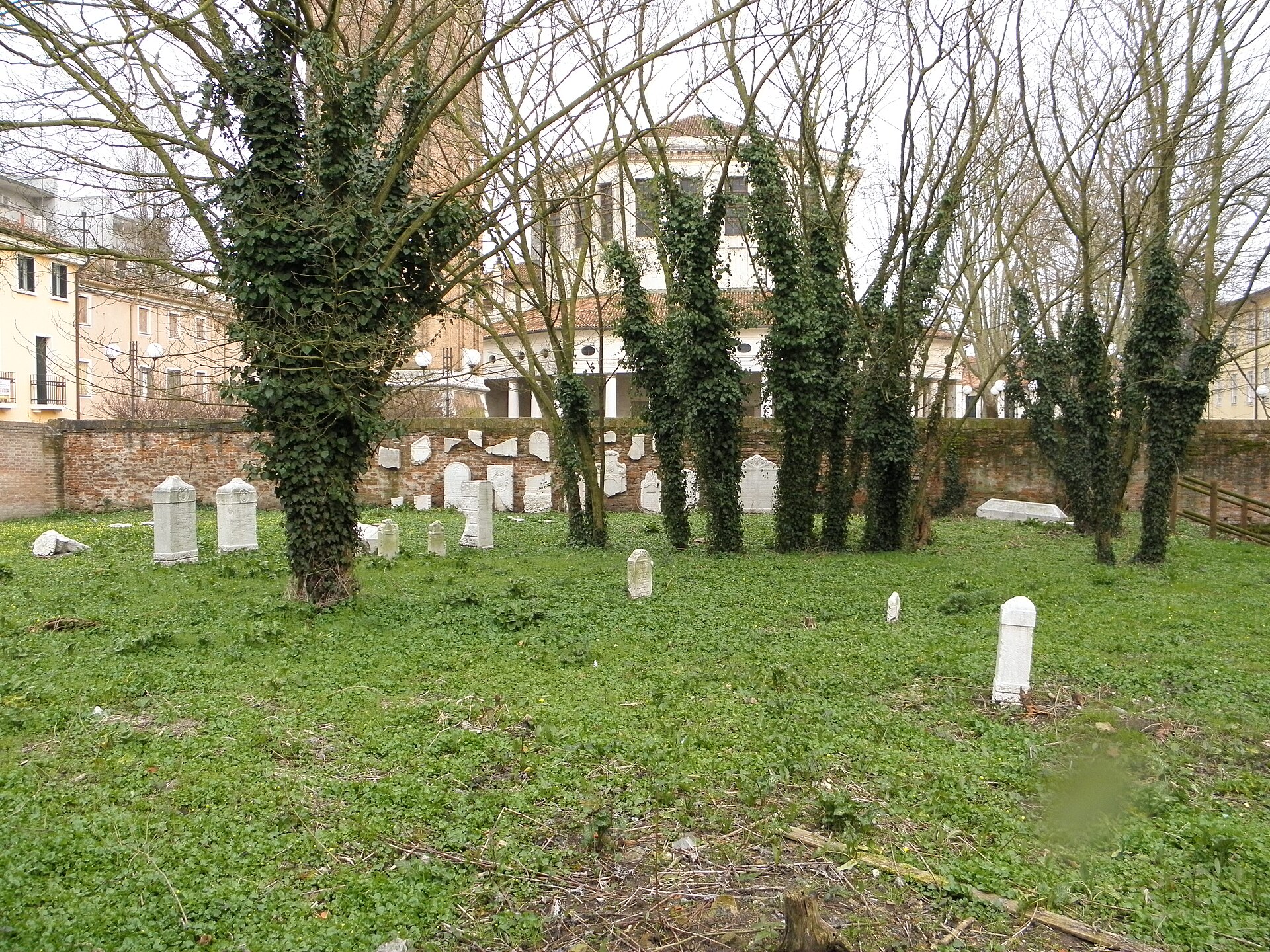
Nine hundred gravestones behind a silent façade
Behind an almost anonymous façade on Via Stacche, some 900 gravestones keep the last memory of Rovigo’s Jewish community.
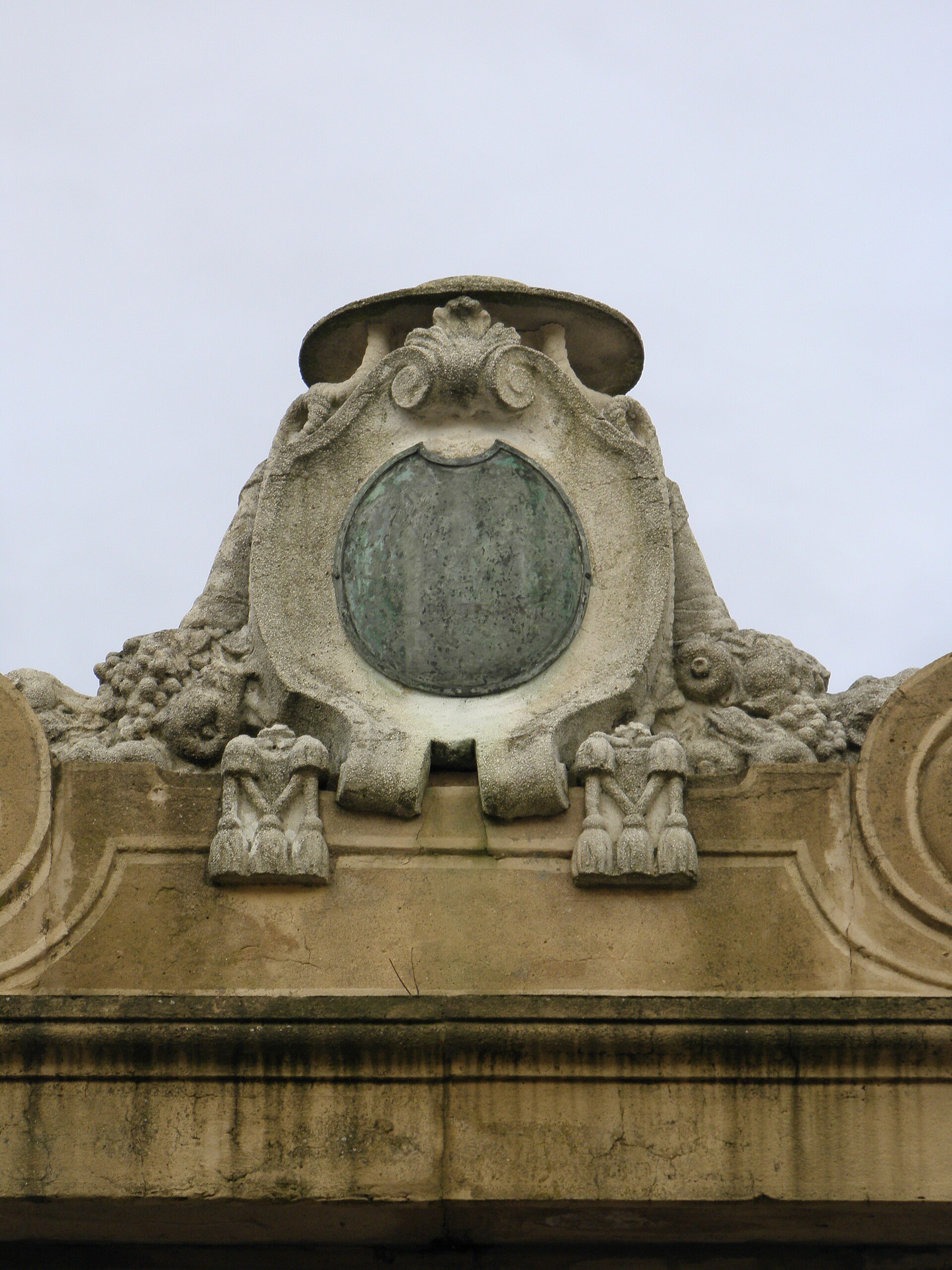
A thousand years to move from Adria to Rovigo
The Bishop of Adria lived in Rovigo from the 10th century, but the Curia only followed him in 1909. The story of a move that took a thousand years.
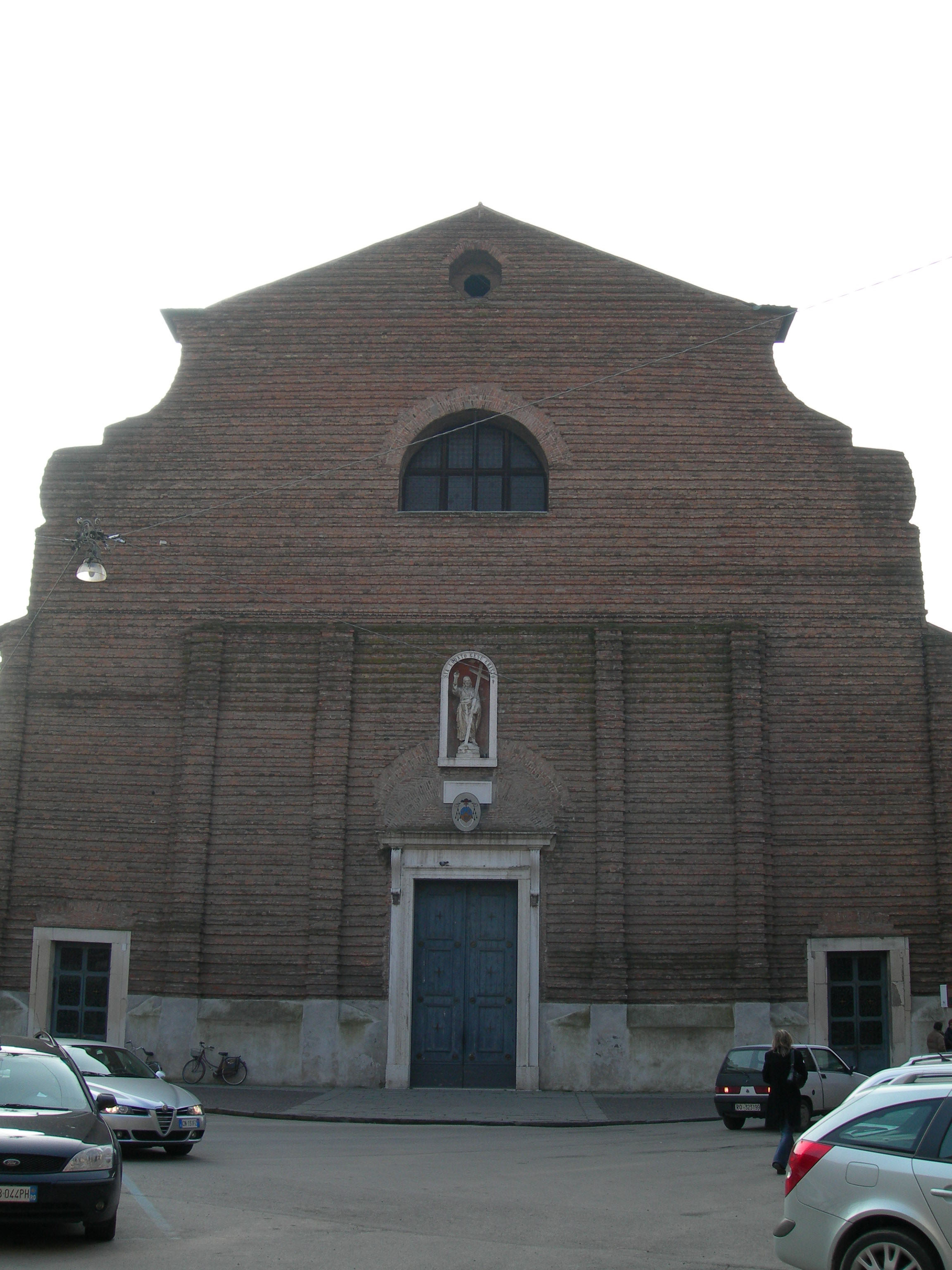
The bishops’ church, with a façade never finished
The bishops of Adria prayed here for a thousand years. An octagonal dome, an unfinished façade, 16th-century treasures: Rovigo’s co-cathedral.
The white tower where the land runs out
At the far end of the Delta, among reed beds and sandy islets, a white tower some 45 metres tall marks where the Po pours into the Adriatic.
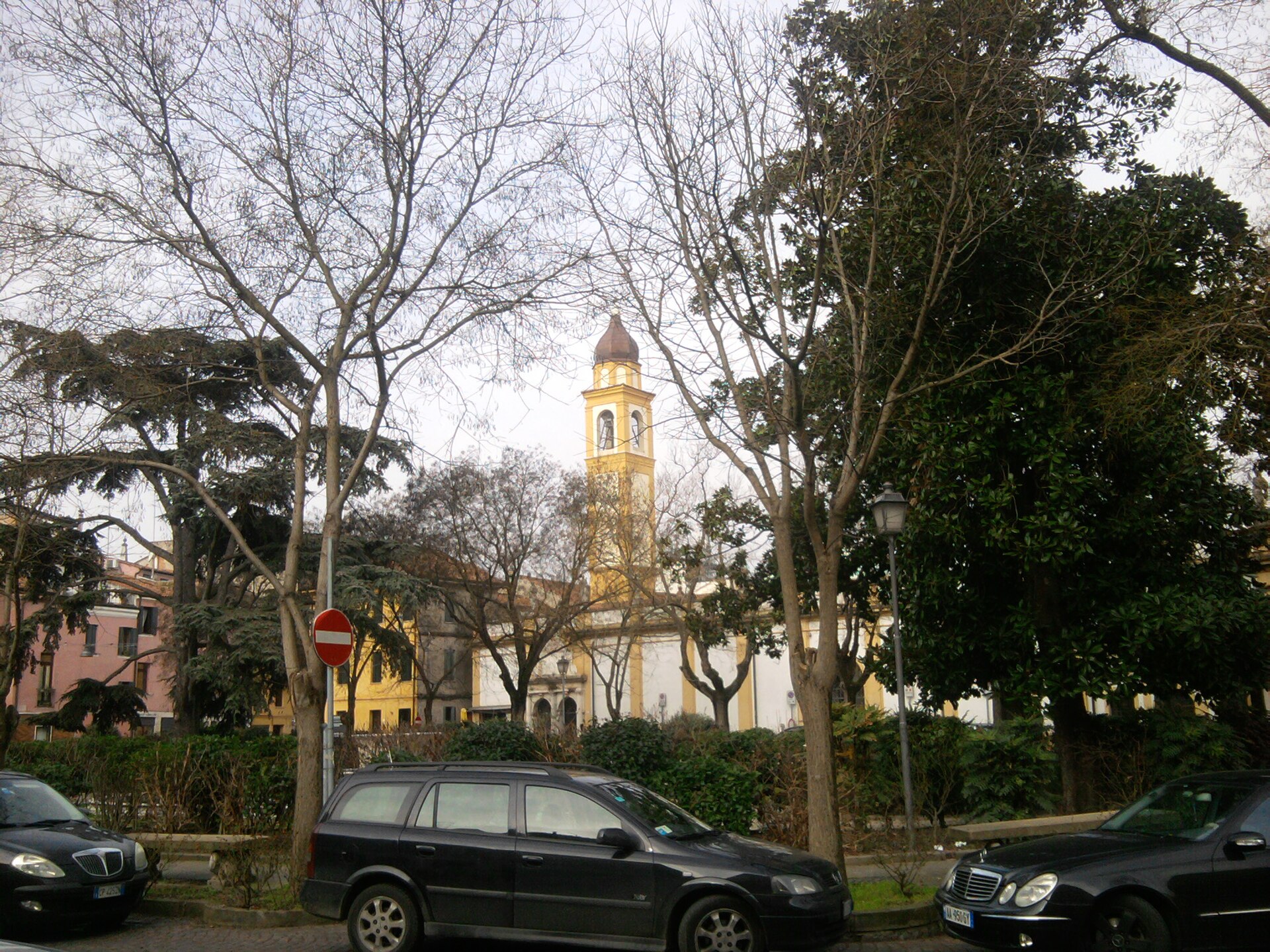
The garden that guards a vanished citadel
Where the garden of Piazza Merlin lies today stood Rovigo’s Jewish ghetto, demolished in 1930. The story of a community and a lost citadel.
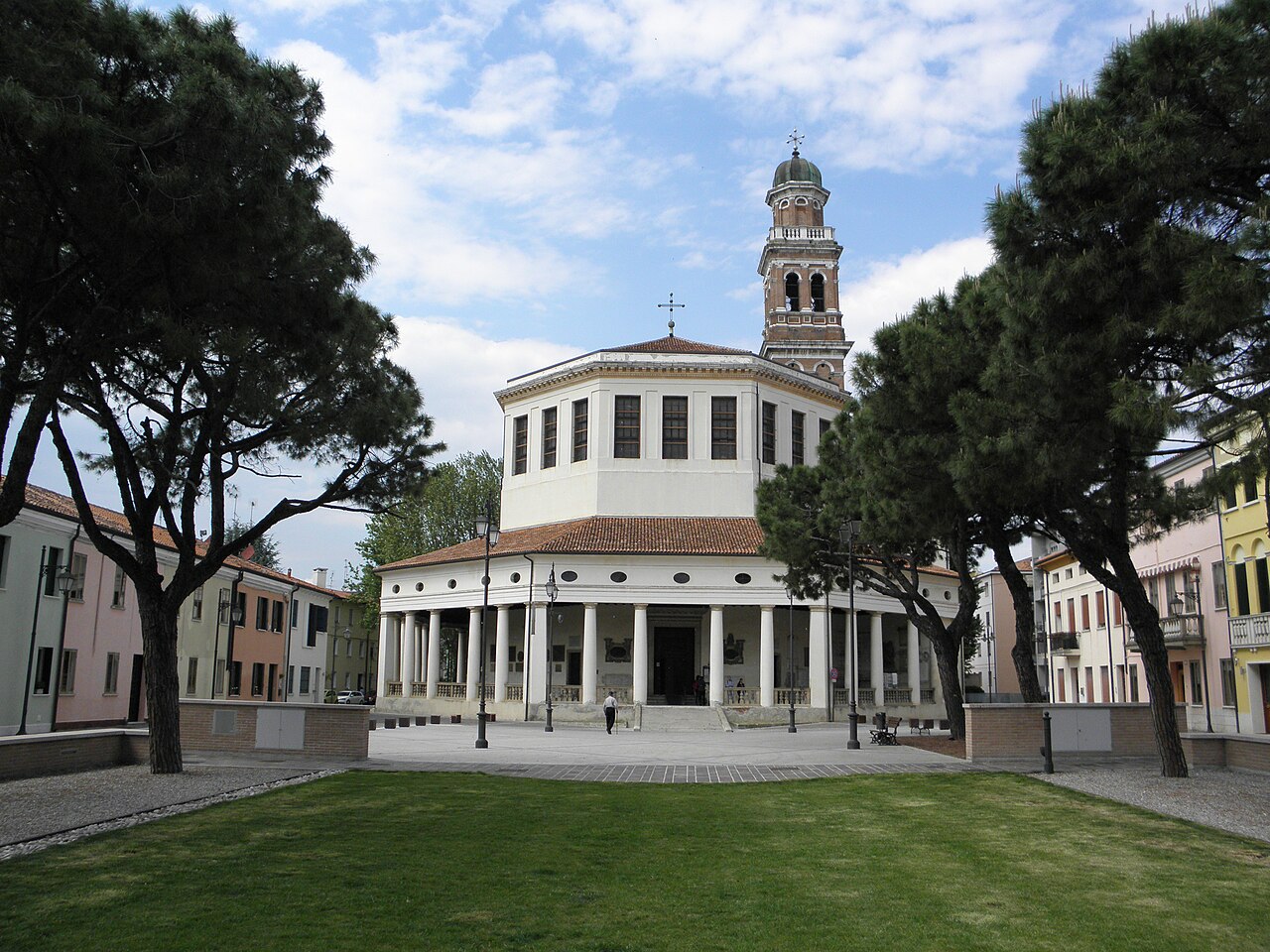
Two octagons for a Madonna with a rose
A miraculous fresco, two octagons one inside the other, sixty years of great Venetian painting: the Rotonda is faith and Venetian power.
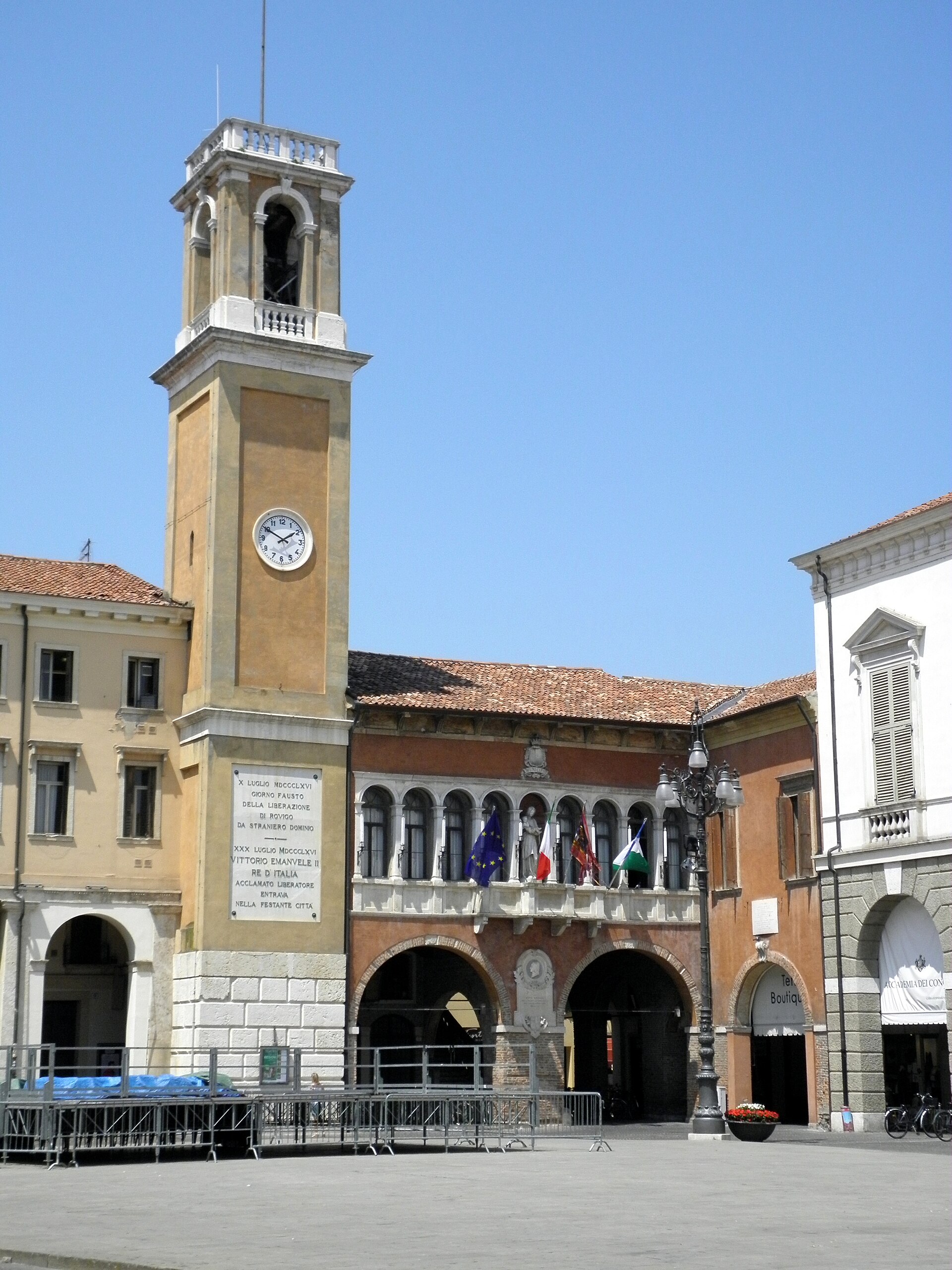
Where notaries wrote down the city’s business
Under these Gothic arches Rovigo’s notaries were at work before 1286. And the tower still carries the bell of the old castle.
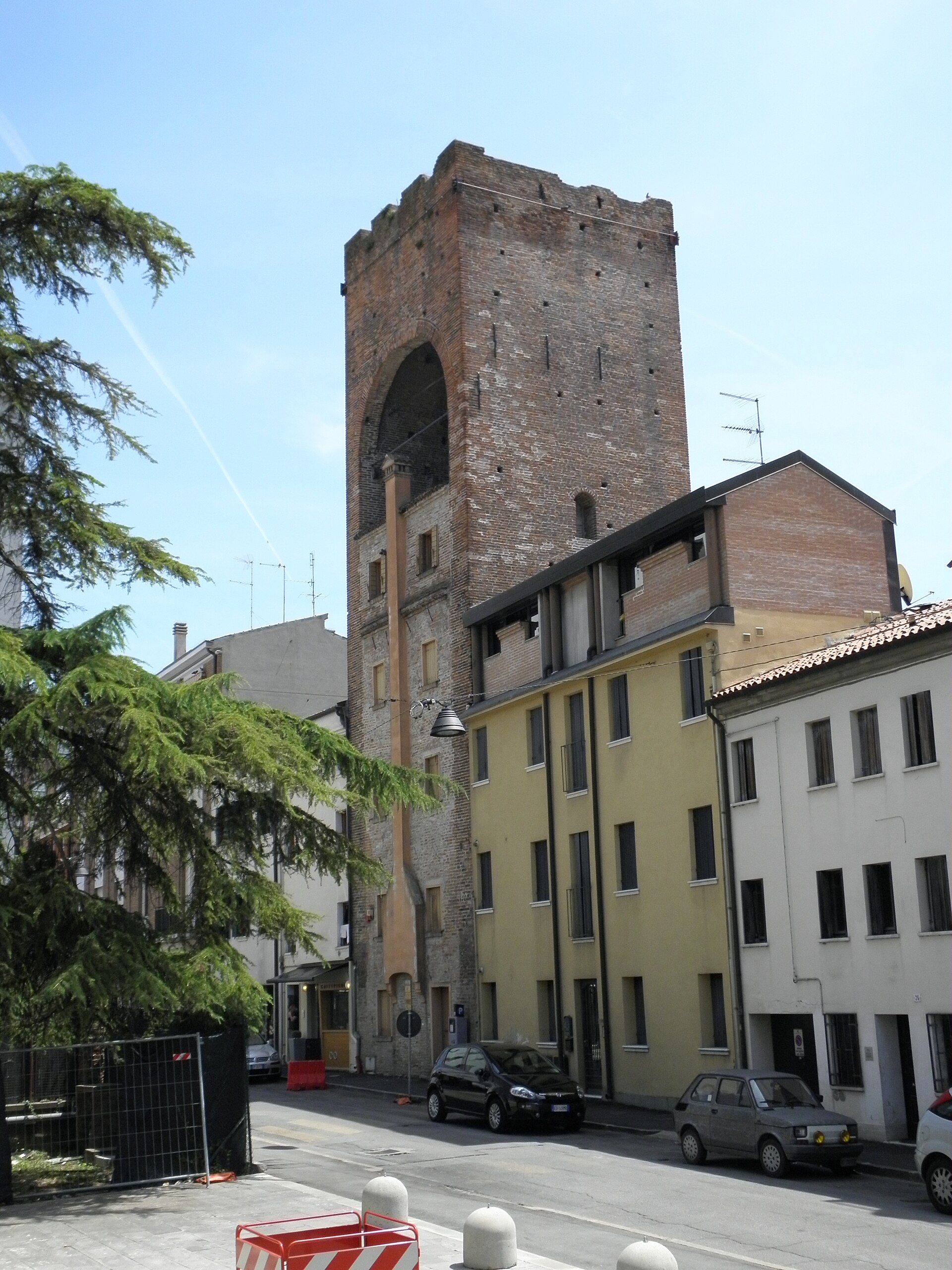
In the footsteps of the walled city
Streets still named “Mure”, a watchtower turned home, gates torn down in the 1800s: a walking loop around Rovigo’s old walled city.
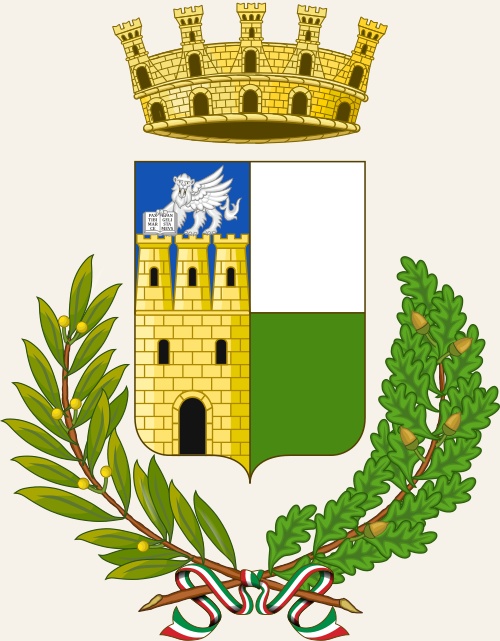
Rodigo, Rhodigium and the city of roses
Rodigo, Rhodigium, city of roses: where does Rovigo’s name come from? Between Germanic theories, Ariosto’s verse and humanists, here’s what we know.
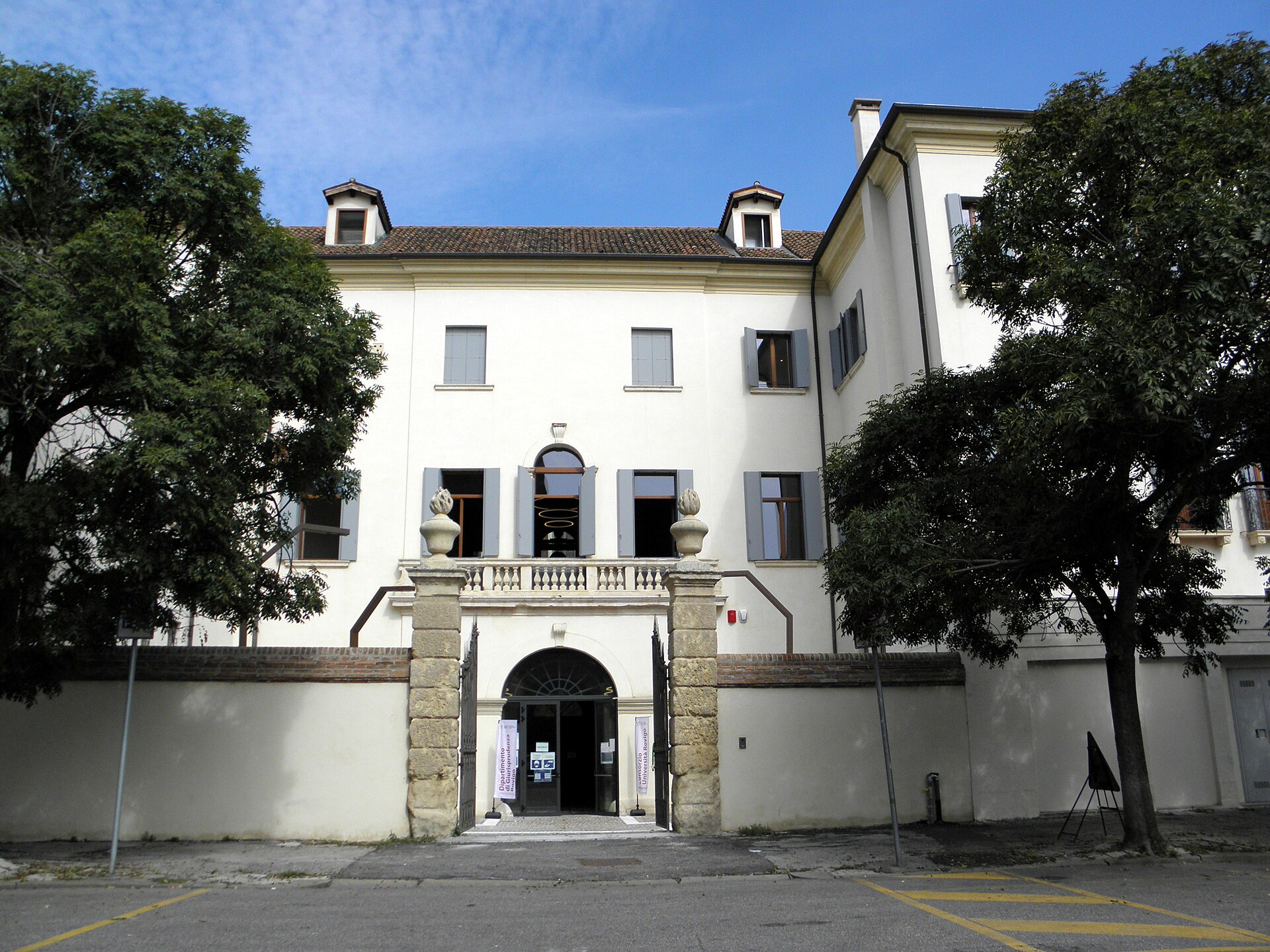
Frescoes, famous guests and lecture halls
The last Venetian governor, Emperor Franz Joseph and Garibaldi all stayed here. Today Palazzo Angeli’s frescoed halls are home to students.
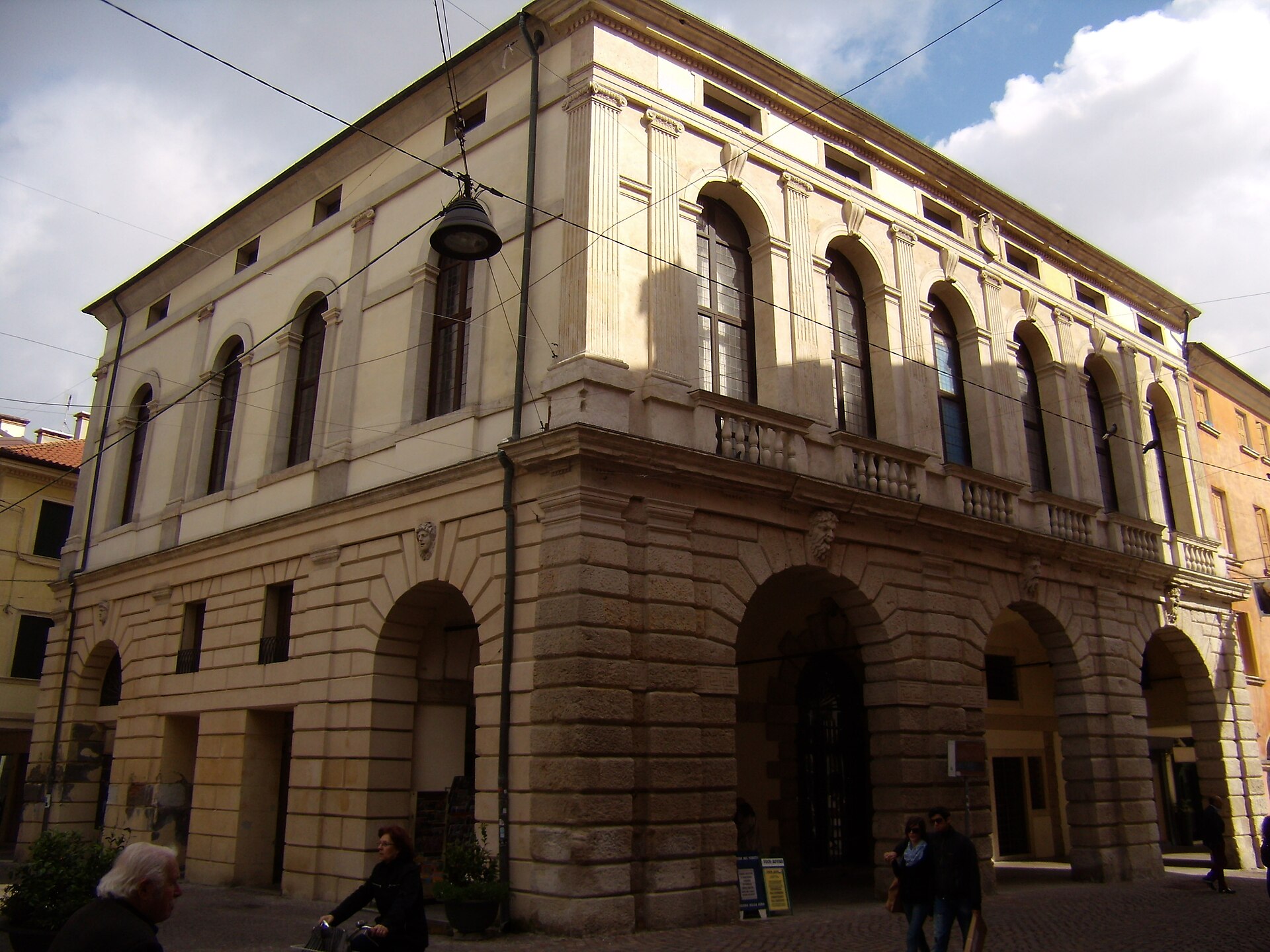
The palazzo that hosted a King of France
Attributed to Michele Sanmicheli, in 1574 it welcomed Henry III, King of France and Poland. Today Palazzo Roncale opens its rooms to exhibitions.
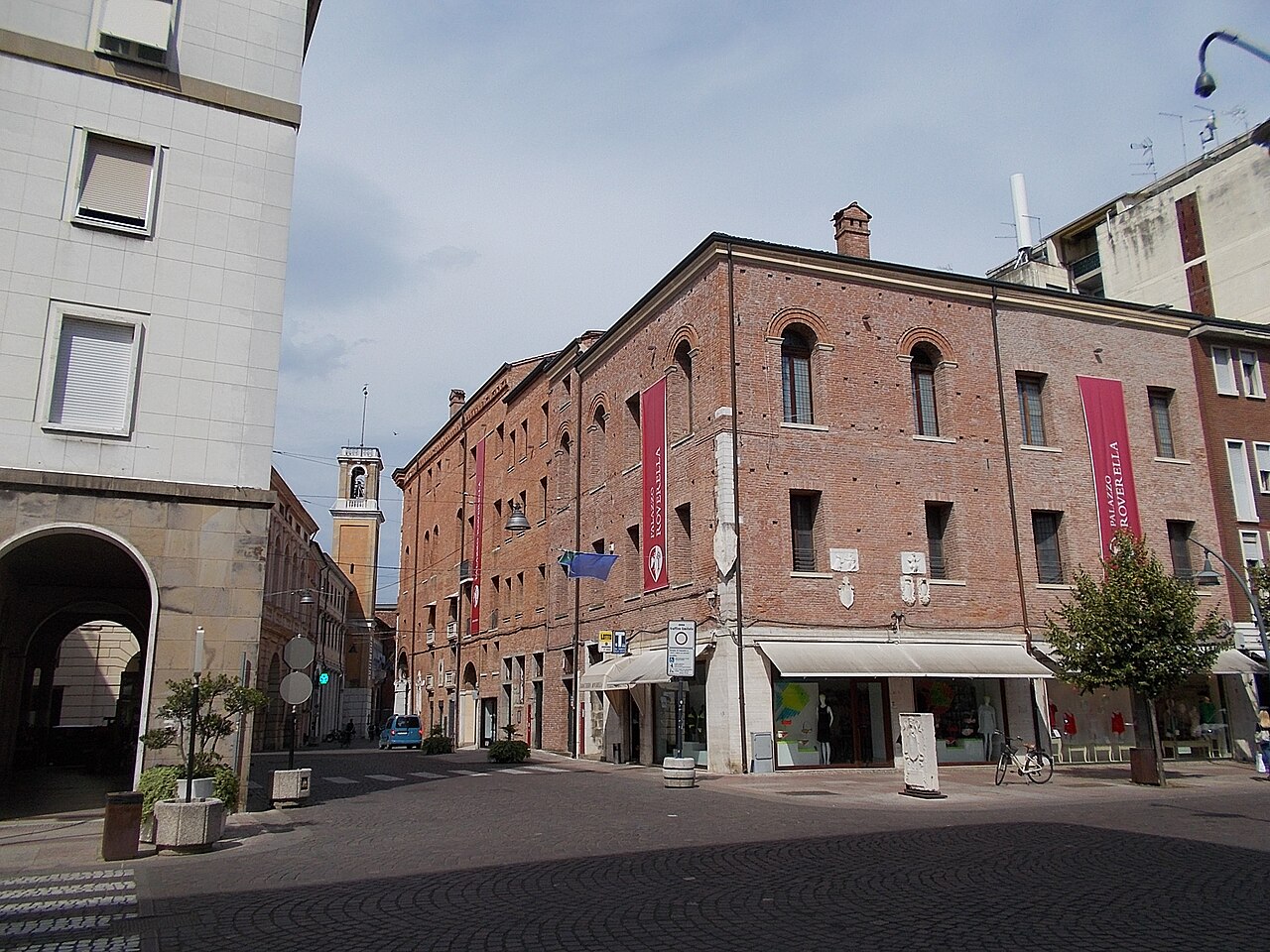
The cardinal’s palazzo that was never finished
A cardinal, a building site halted in 1477, a terracotta façade in the Este taste: today Palazzo Roverella is a major Veneto exhibition venue.
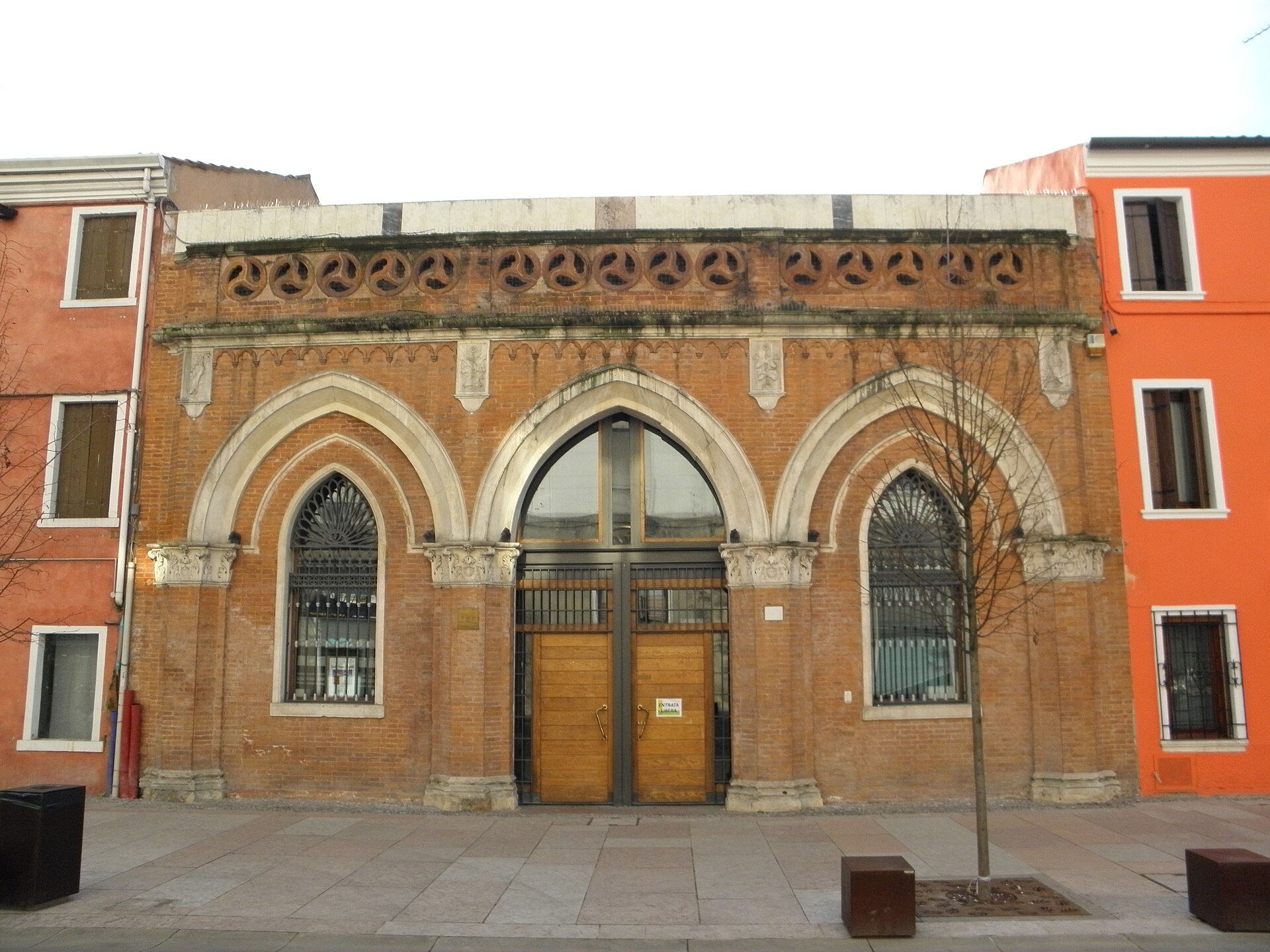
A fish market dressed as a Gothic palazzo
Outside, a small Neo-Gothic palazzo; inside, cast iron and glass as in 19th-century Paris: the Pescheria Nuova is a surprise on Rovigo’s Corso.
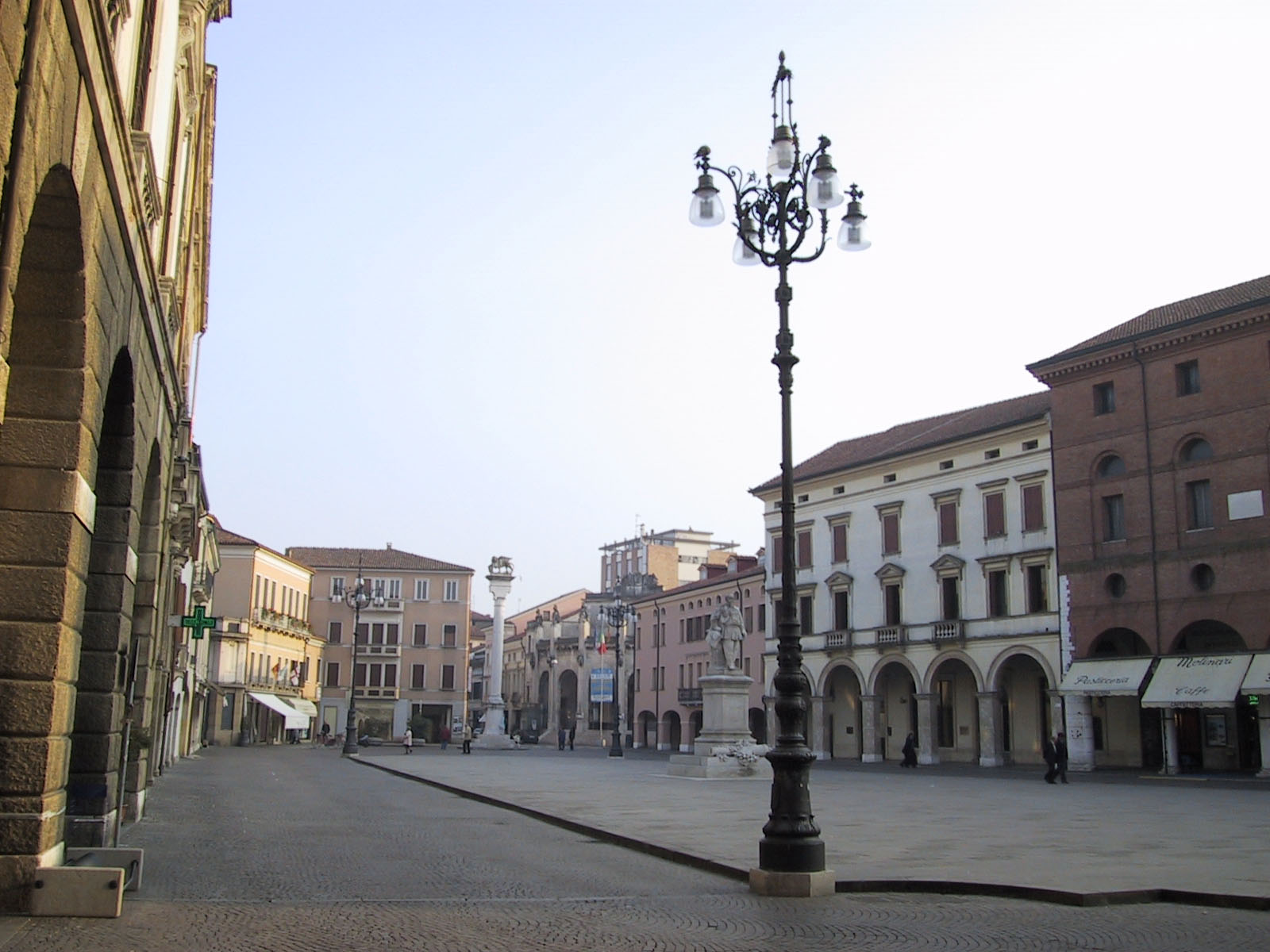
Rovigo’s drawing room and its lion restored
In 1797 the French destroyed the Lion of Saint Mark, and the column stood without its symbol until 1881. The story of Rovigo’s drawing room.
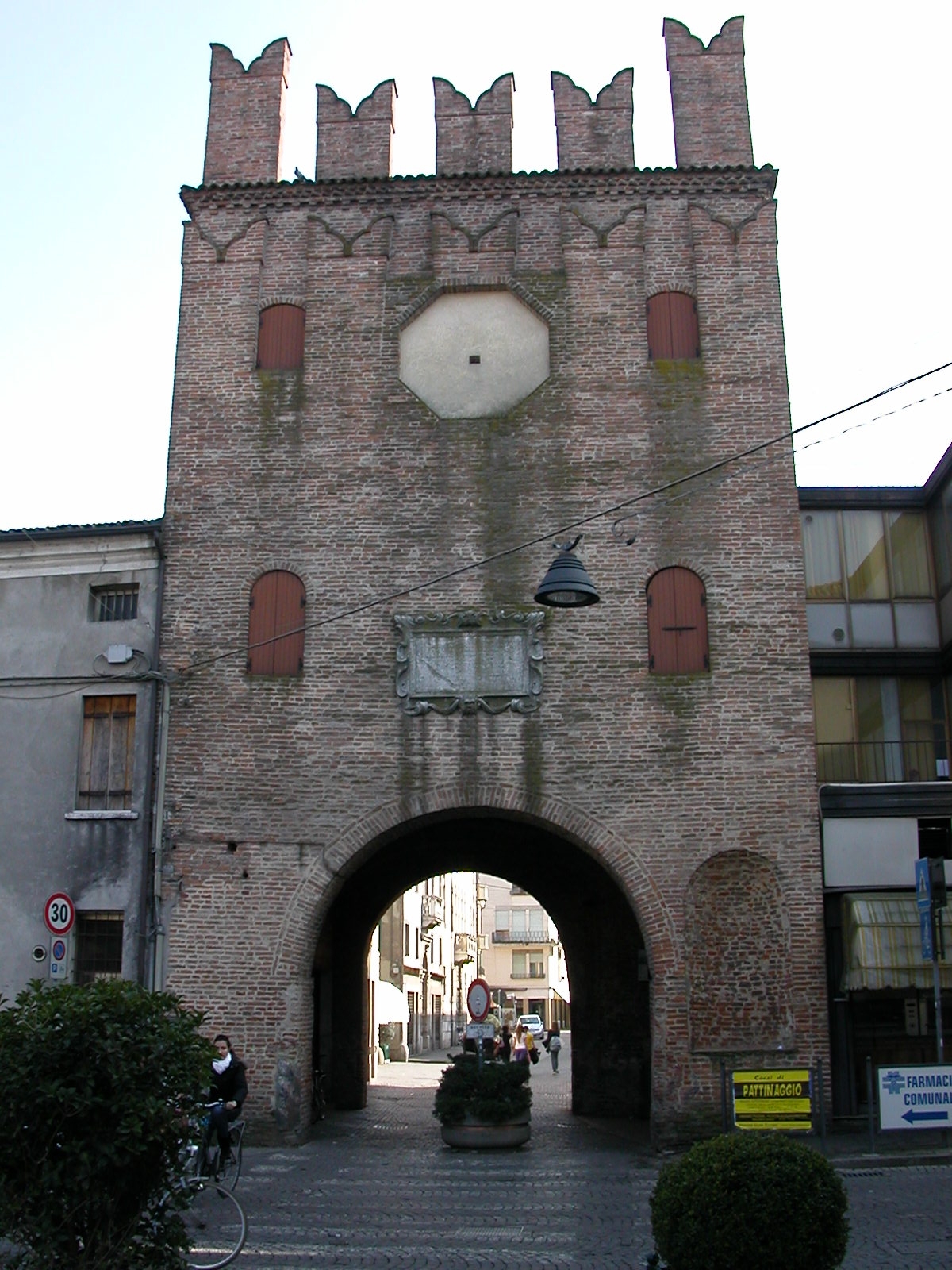
The best-preserved gate of the old walls
Ghibelline battlements, noble coats of arms and the groove of a portcullis: Porta San Bortolo is the most intact of Rovigo’s old gates.
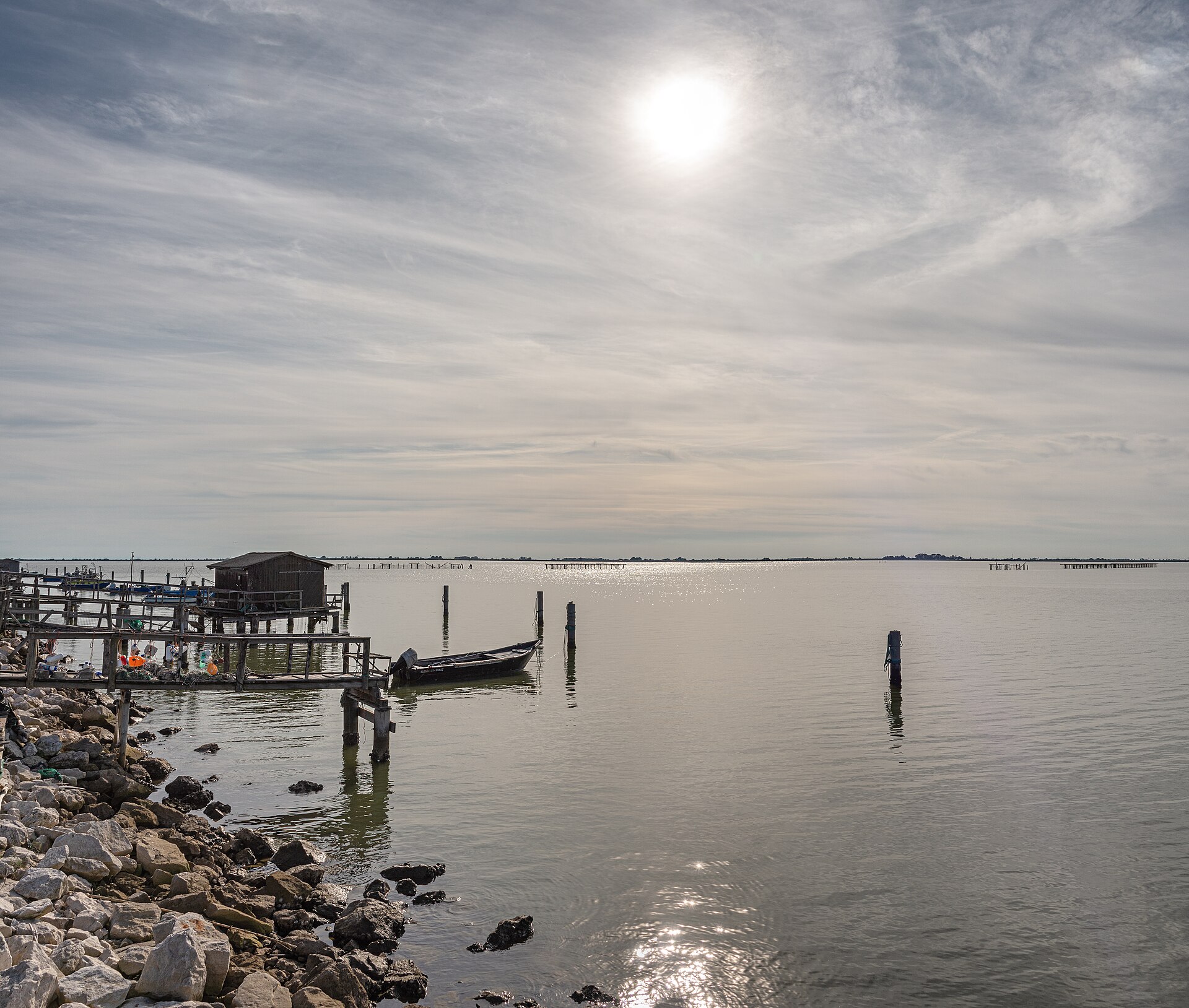
The lagoon of mussels and stilt huts
Stilt huts mirrored at sunset, a PDO mussel and an oasis reborn among the reeds: the Sacca degli Scardovari, the watery heart of the Delta.
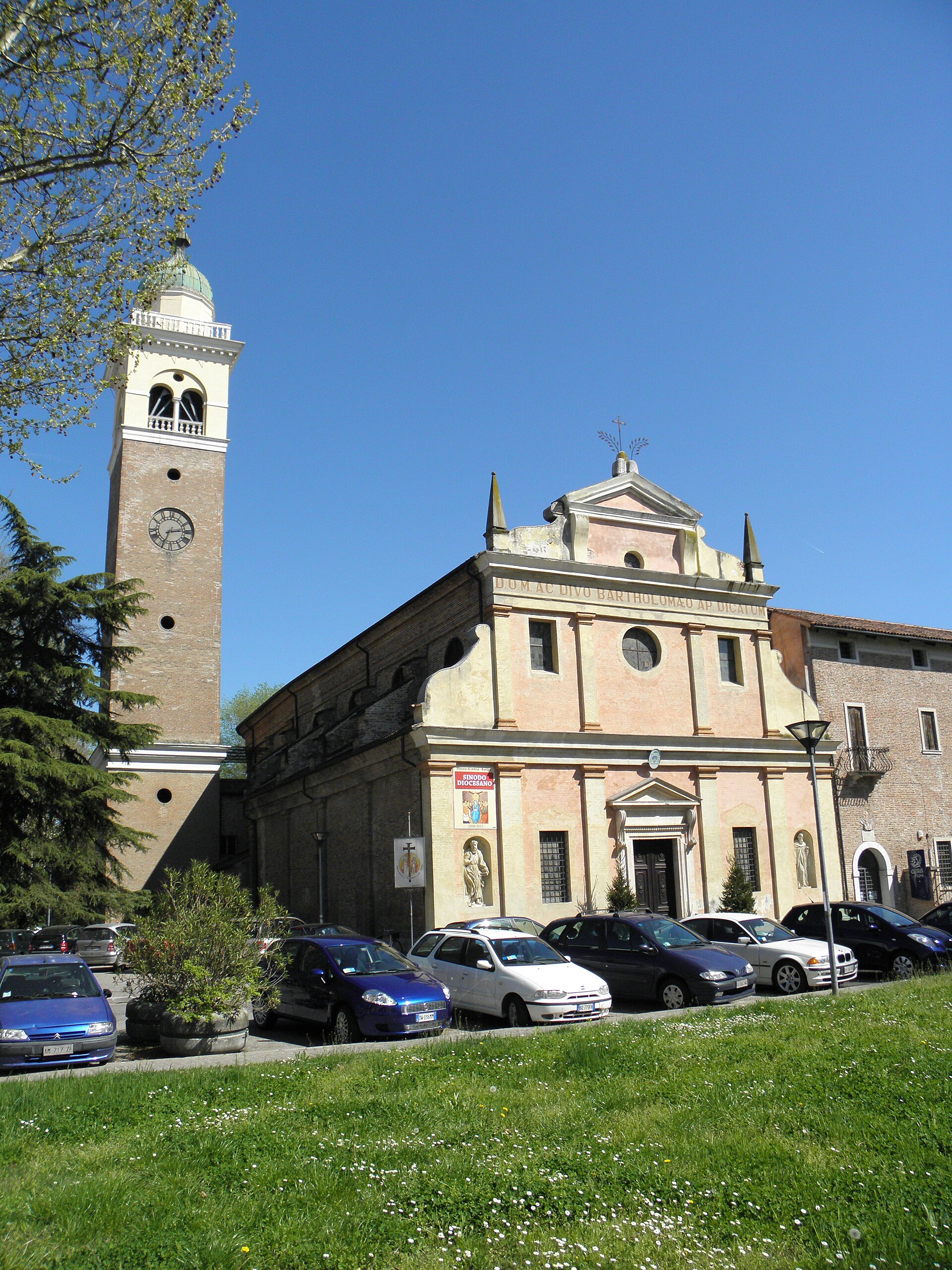
From Umiliati wool-workers to the monks of Monte Oliveto
Umiliati, Olivetan monks, an altarpiece by the painter to His Britannic Majesty and a cloister that tells of great rivers: this is San Bortolo.
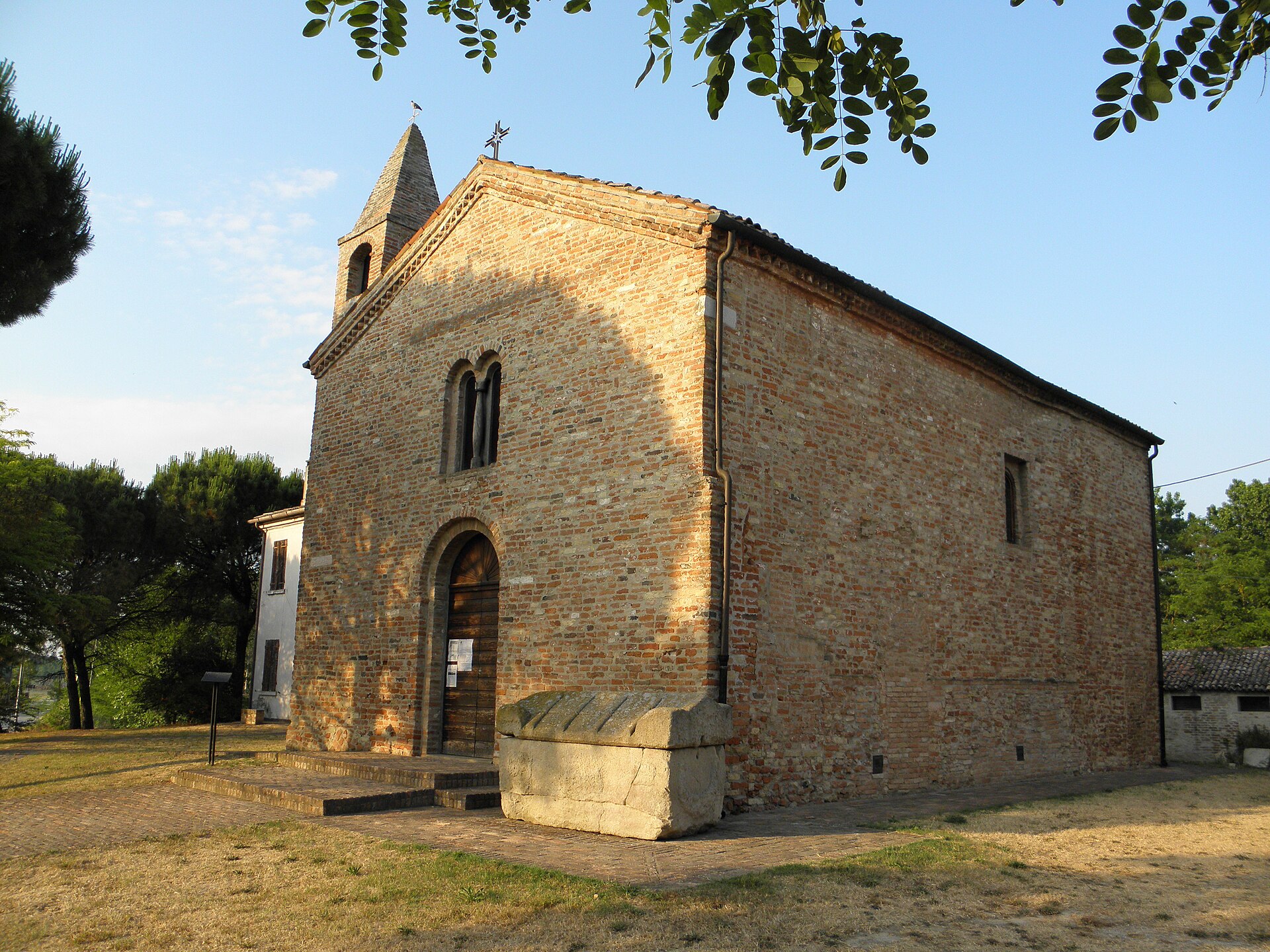
Etruscans, Romans and monks on the ancient dune
A tiny hamlet on an ancient shoreline. Etruscans, Romans and monks passed through here, and one tradition says Dante stopped here too.
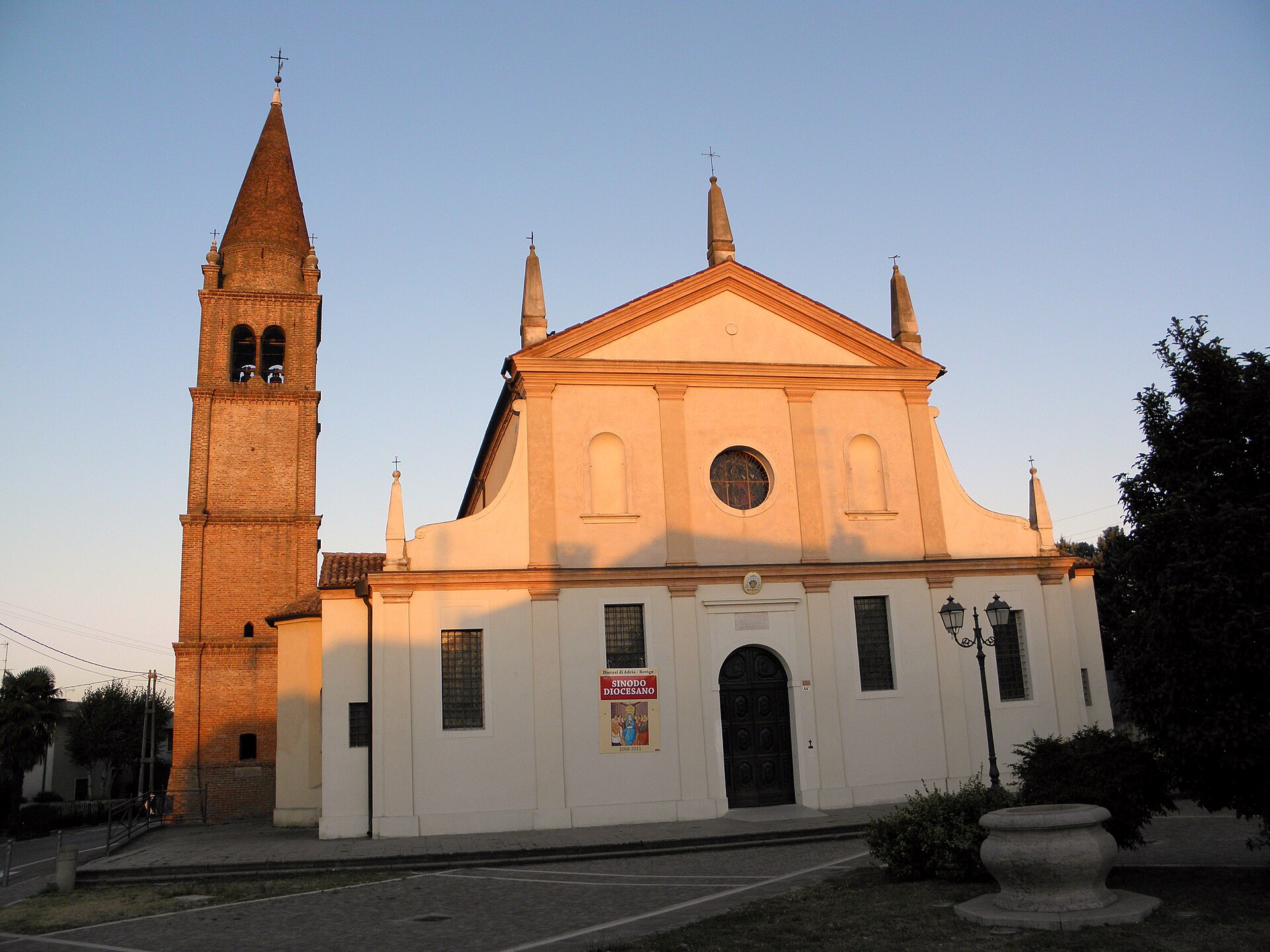
The martyr bishop who guards against rabies
A bishop slain in an ambush, relics found through dreams and Po floods: San Bellino is the resting place of the patron of the Diocese of Adria-Rovigo.
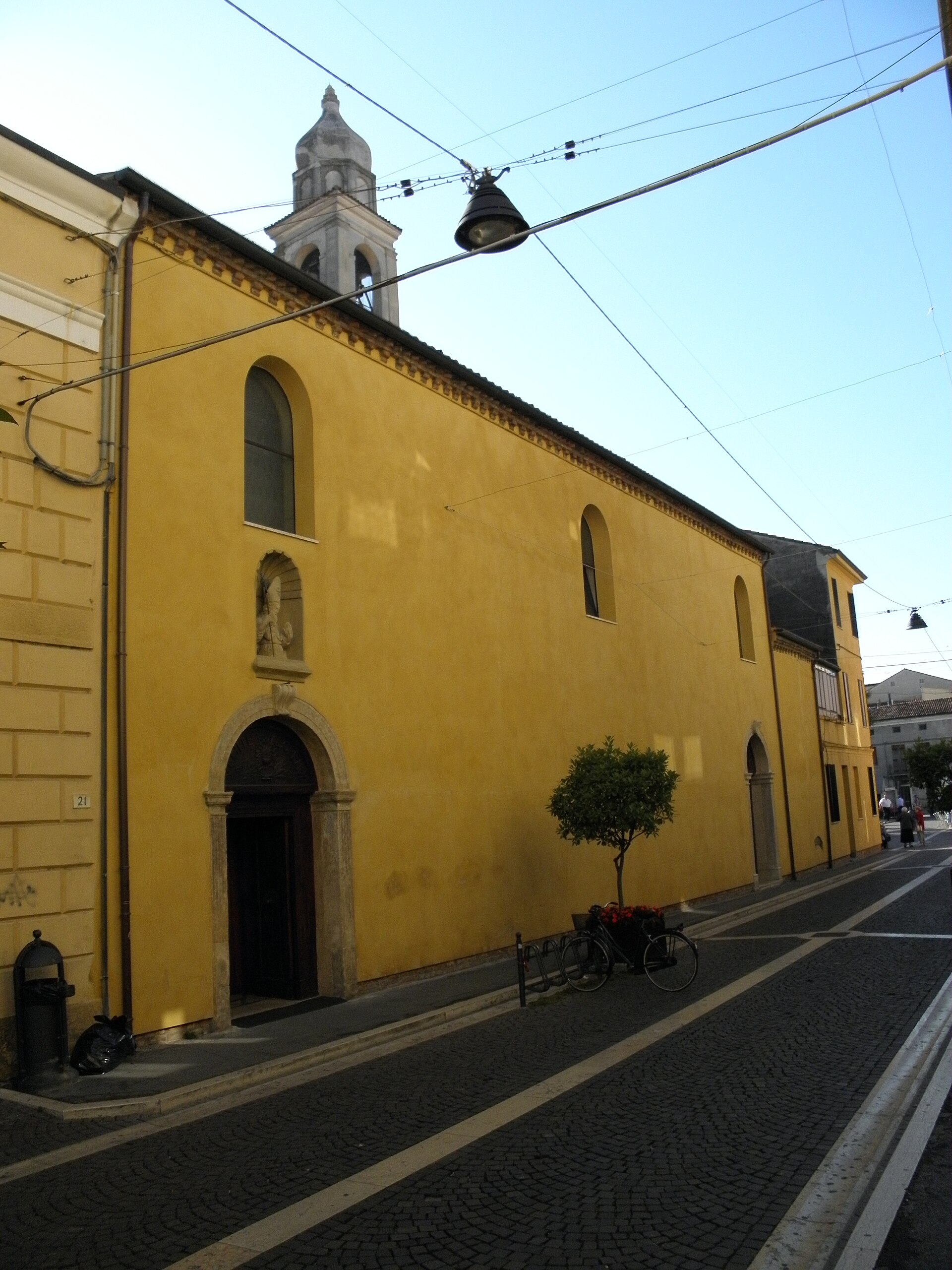
The church that shows only its side
No churchyard, no façade: it shows the city only its flank. Behind that wall lie five centuries of hospitals, Dominican friars and markets.
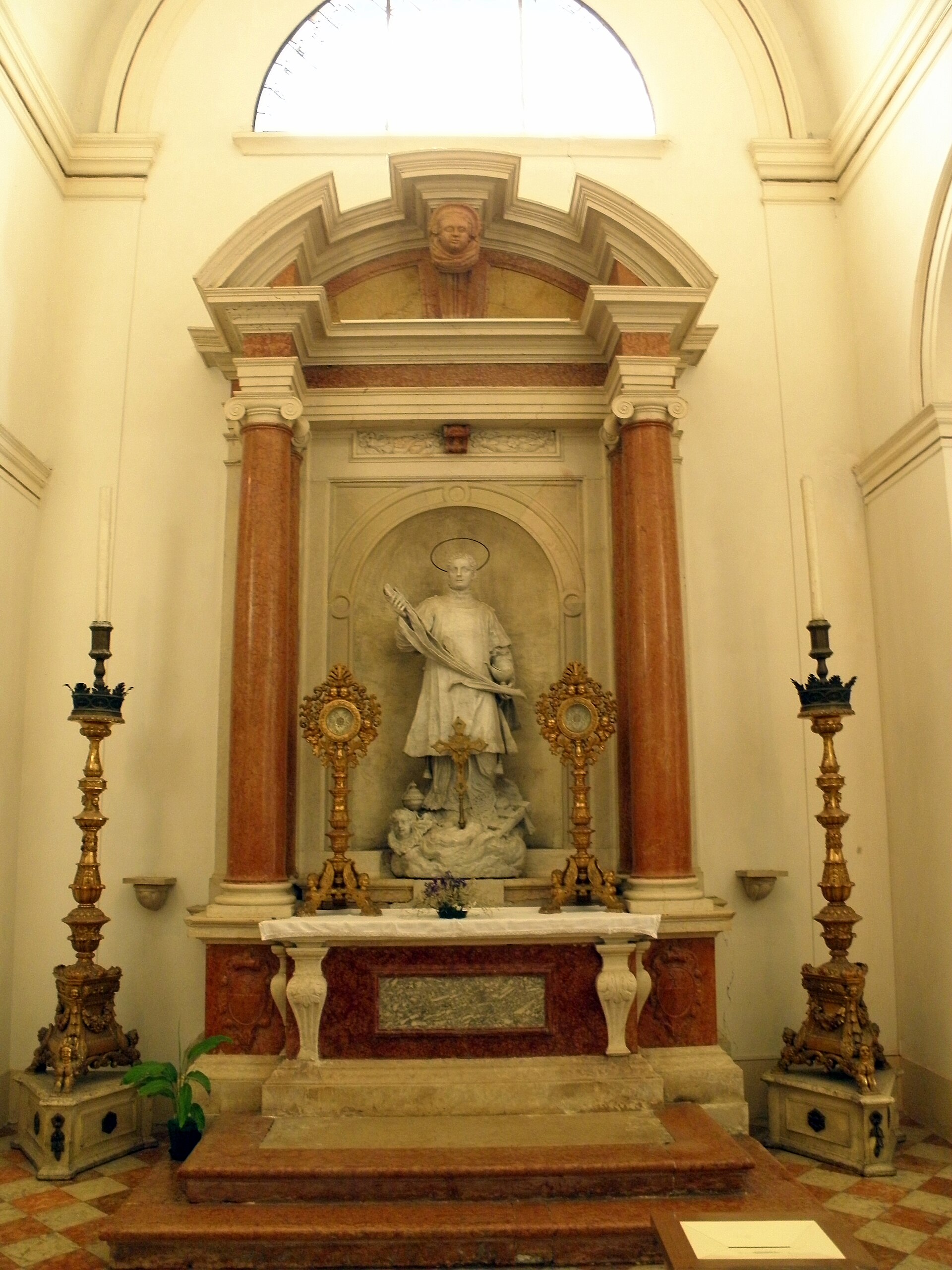
The convent the Este family wanted
Behind a Neoclassical façade hides the Gothic convent founded by Obizzo II d’Este: the oldest religious foundation still active in the centre.
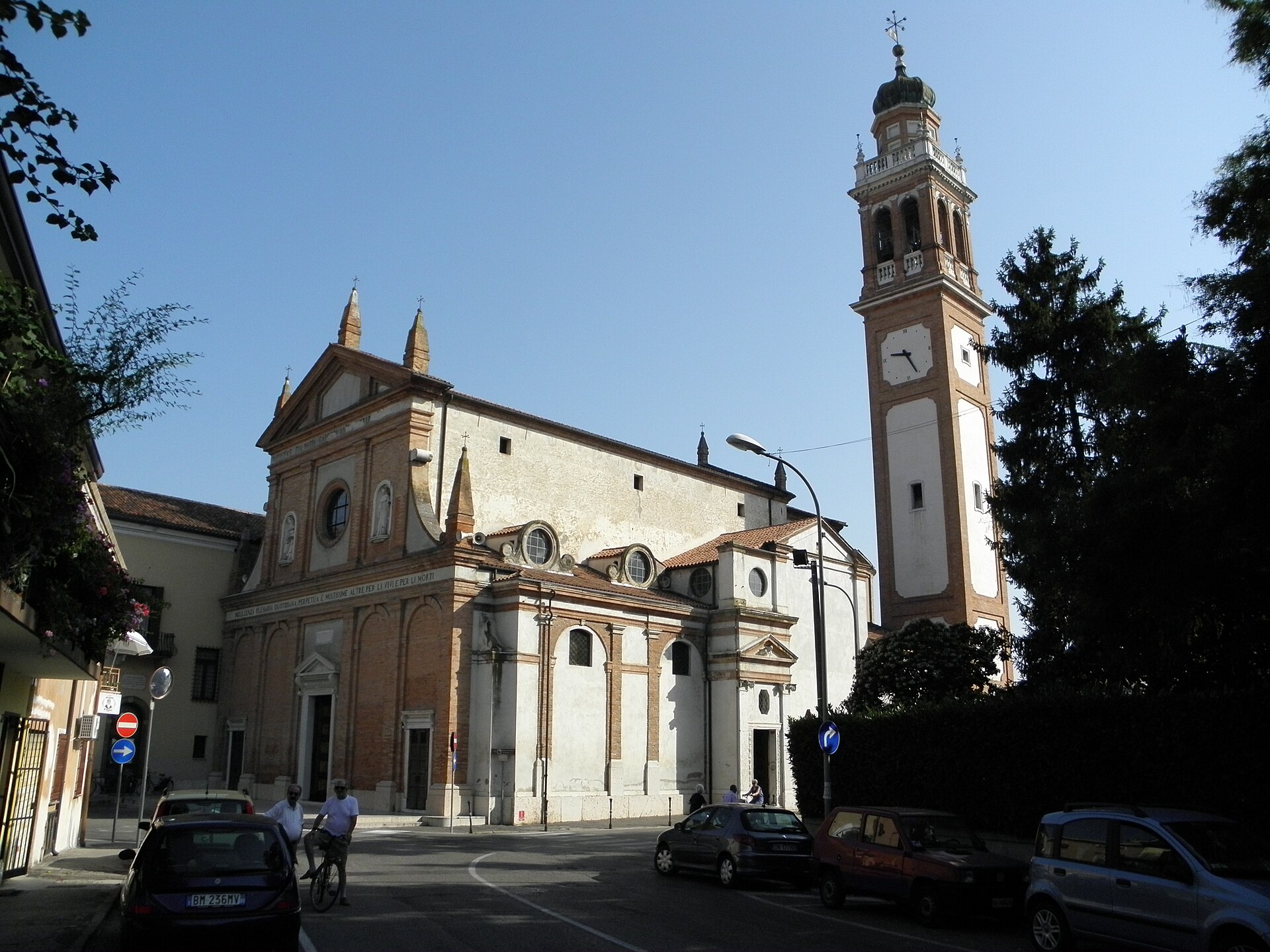
The Black Madonna born of a stormy night
A small dark olive-wood statue, a stormy night and a spring that still draws pilgrims: the story of the Black Madonna of Lendinara.
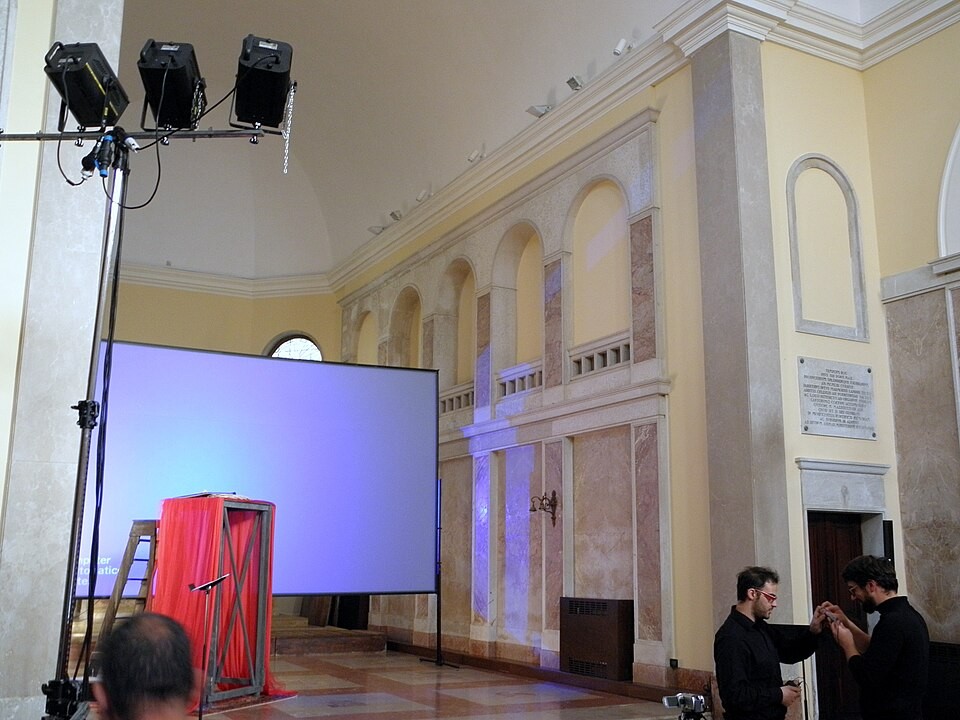
The seminary born of the Council of Trent
Born of the Council of Trent and grown inside an Augustinian convent, it now houses the State Archives. Its library holds 160,000 volumes.
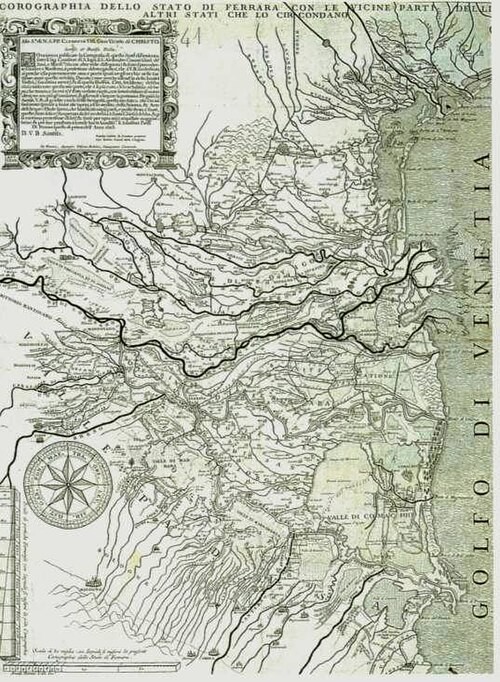
The river diverted by the Serenissima
Over four hundred years ago Venice moved the Po with a canal about seven kilometres long. Much of today’s Delta was born of that cut.
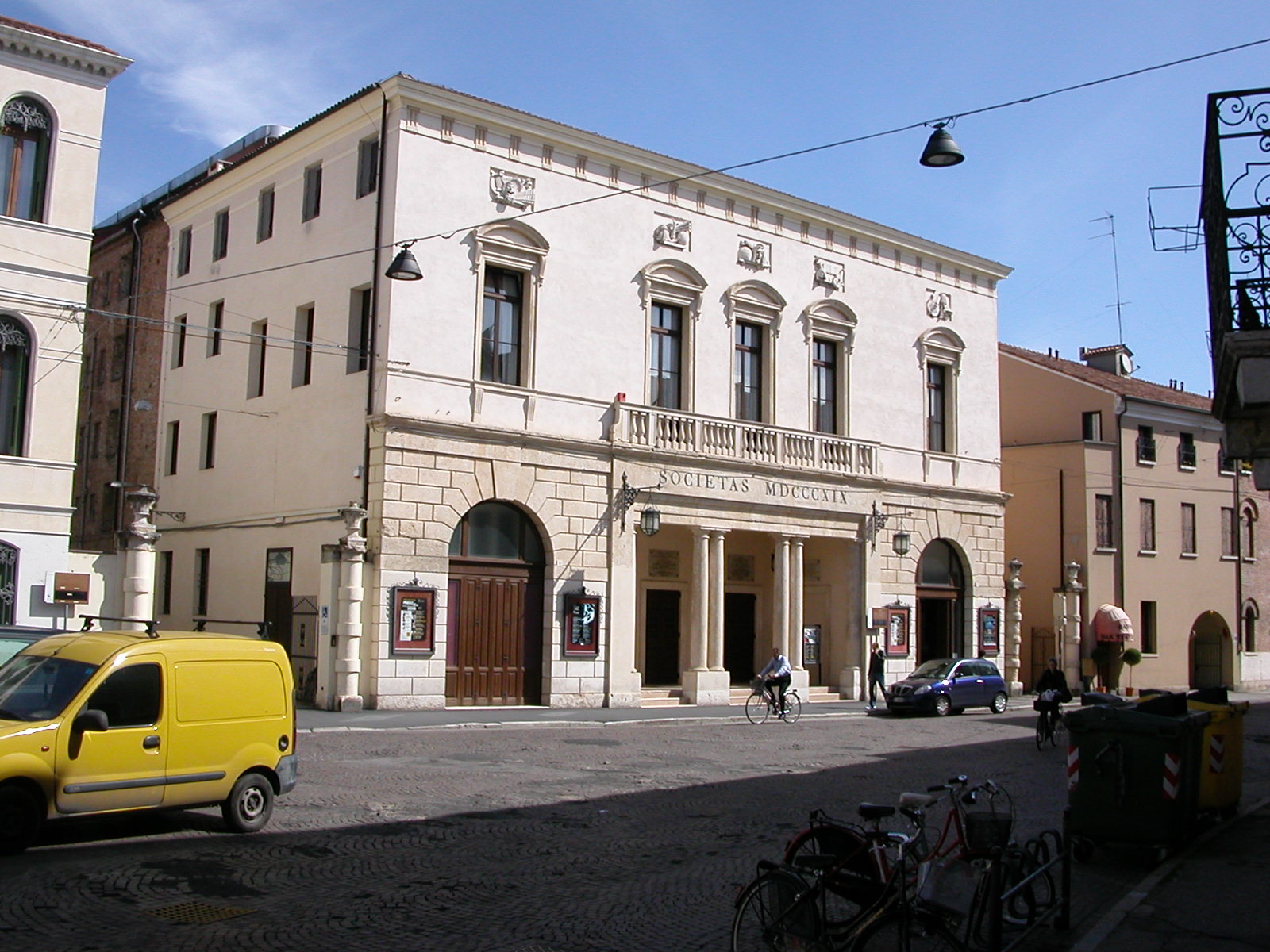
The stage of Gigli, Tebaldi, Callas and Pavarotti
Gigli and Tebaldi made their debuts here; Callas and Pavarotti sang here. The Teatro Sociale, reborn in Liberty style after the 1902 fire.
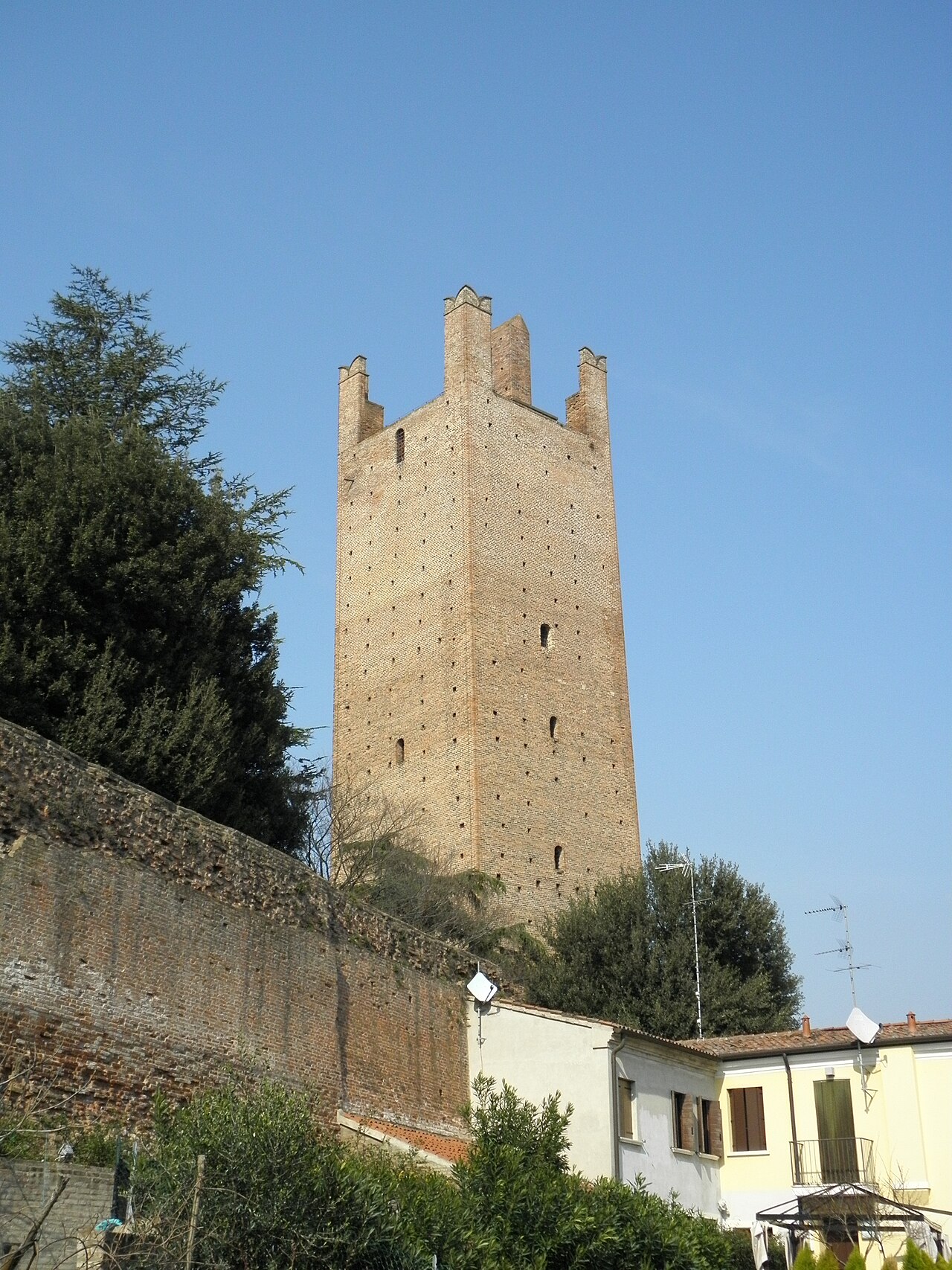
The two towers from which the city was born
Two leaning towers, a garden, a few stretches of wall: all that remains of the castle from which Rovigo was born, more than a thousand years ago.
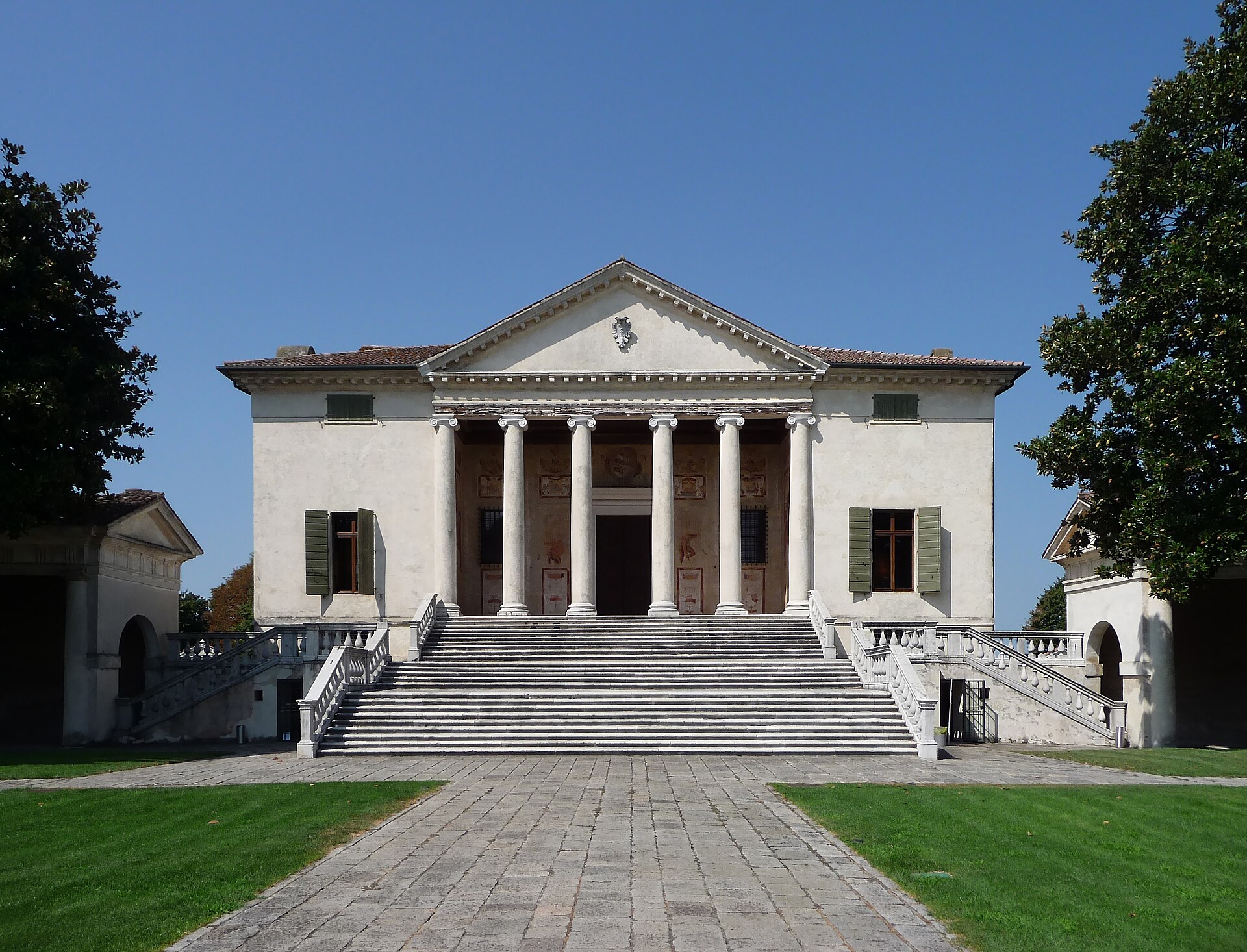
La Badoèra, Palladio’s temple on the plain
The Polesine’s only UNESCO site: the villa where Palladio first used a temple front, with barchesse curving out like two open arms.
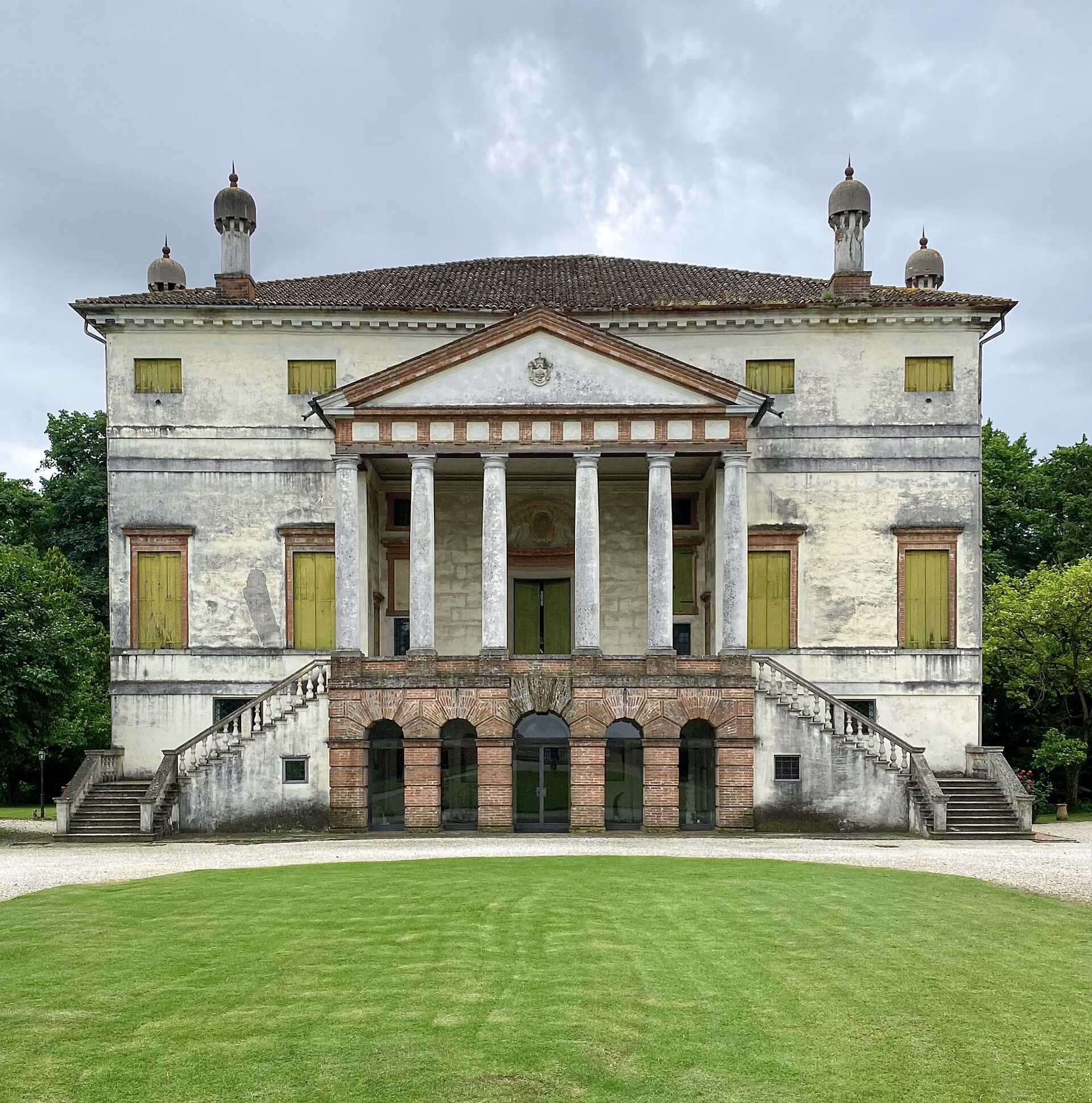
The villa on the water where the Carbonari dined
A few steps from the Badoèra, a villa almost on an island. Here, in 1818, a Carbonari banquet opened a stirring chapter of the Risorgimento.
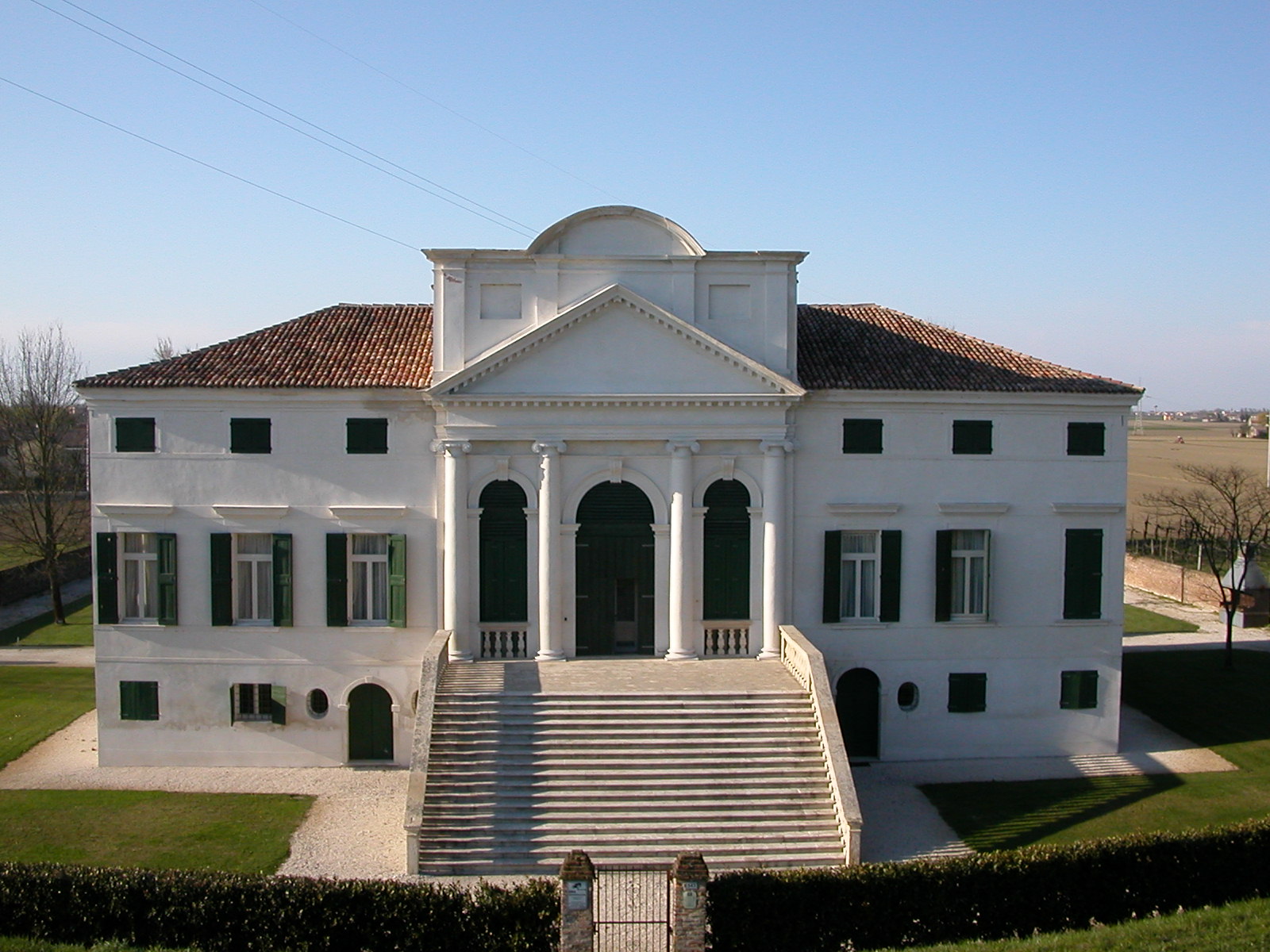
The doge’s villa and the battle on the Po
On the banks of the Po, the villa of Doge Francesco Morosini. Before it, the river where in 1509 the Venetian fleet met a surprise defeat.
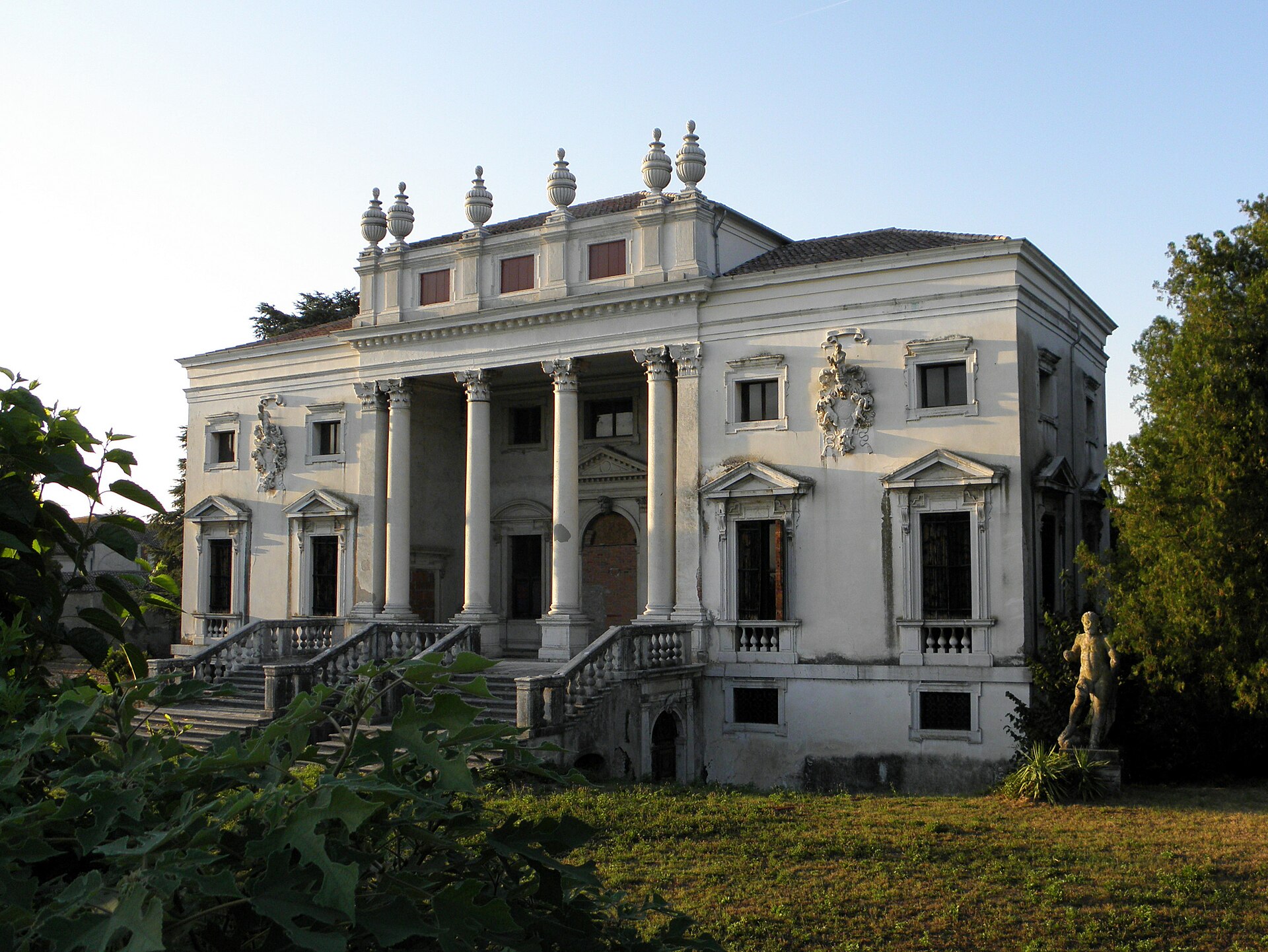
The two-faced villa and the sorrowful countess
Two façades, a park of mythological statues and the legend of the sorrowful countess: Canda hides one of the Polesine’s most theatrical villas.
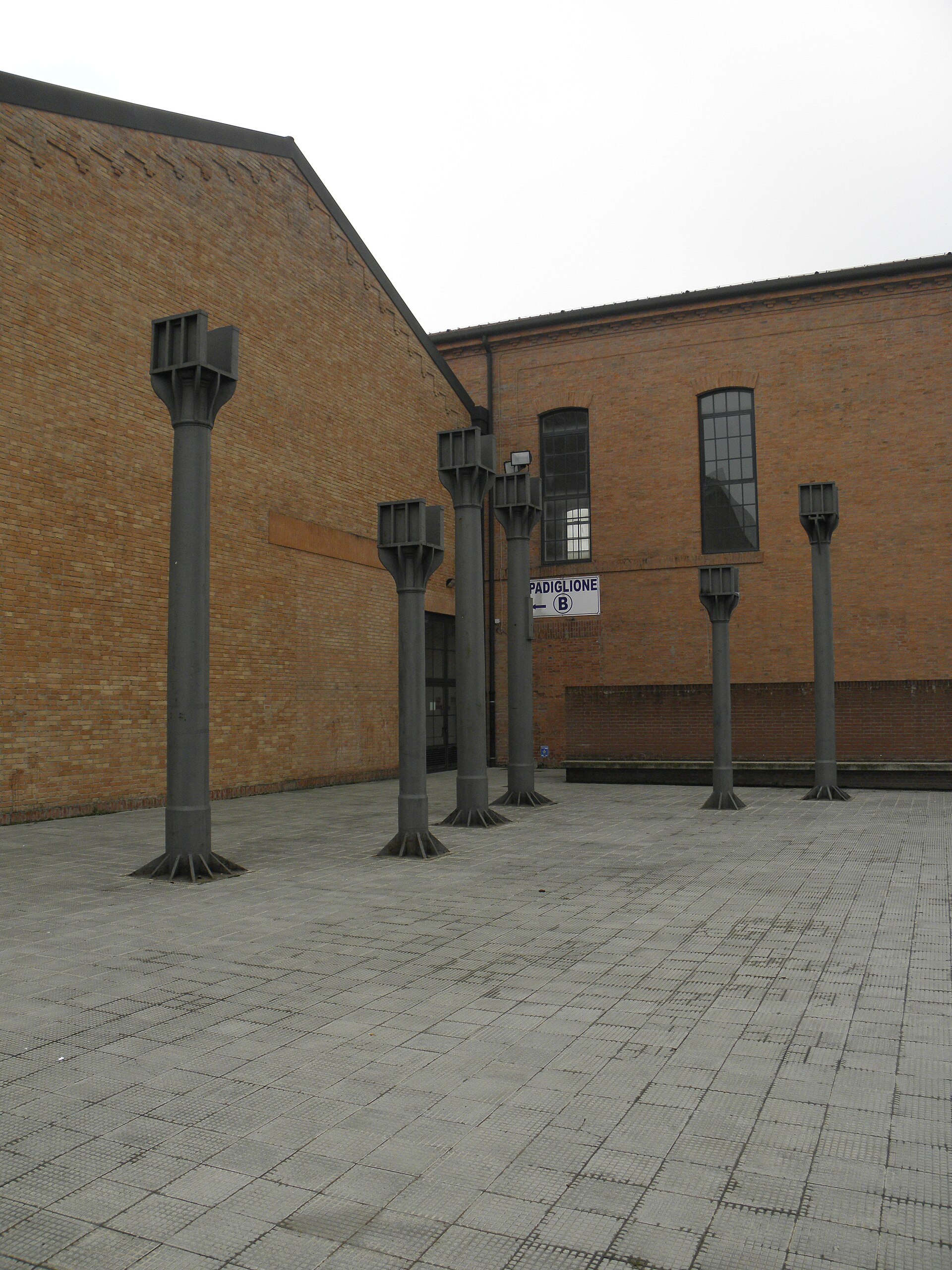
From sugar beet to trade fairs and conferences
For generations it processed sugar beet. Today Rovigo’s old sugar factory hosts fairs, conferences and students: industrial heritage reborn.