On the evening of 11 November 1818, the feast of San Martino (St Martin), Fratta Polesine celebrated with a banquet. Course after course, wine, toasts. But beneath the merriment lay a secret. Many of the guests belonged to the Carboneria, the secret society that dreamt of freeing Italy from the Austrians and giving it a constitution.
Fratta was then the leading Carbonari centre in the Polesine. The ‘father’ of the movement in the area was a magistrate, Felice Foresti. He of all people, whose job was to safeguard the security of the Austrian state, had carried Carbonari ideas into the countryside between the Adige and the Po.
Around him had gathered nobles, landowners and young men. Among them was Antonio Fortunato Oroboni. Born in Ferrara in 1791, he had grown up in Fratta in the care of an aunt. He had become secretary of the local ‘vendita’, the village’s Carbonari lodge.
That evening, tradition says, enthusiasm got the better of caution. The banquet ended in patriotic cheers. And someone talked. Denunciations followed, then arrests.
A confession led the police to the Oroboni family chapel. Hidden there were incriminating papers, among them a much-sought ‘Latin Constitution’.
The trials were held in Venice, before the judge Antonio Salvotti. In 1821 came the death sentences. Emperor Francis I commuted them to ‘carcere duro’, hard imprisonment. For Oroboni that meant the fortress of the Spielberg, in Moravia, far from home.
There he met another prisoner: Silvio Pellico. Oroboni died at the Spielberg on 13 June 1823. Pellico never forgot him. In his memoir Le mie prigioni (My Prisons) he drew a moving portrait of him, turning the young man raised in Fratta into a symbol of faith and sacrifice.
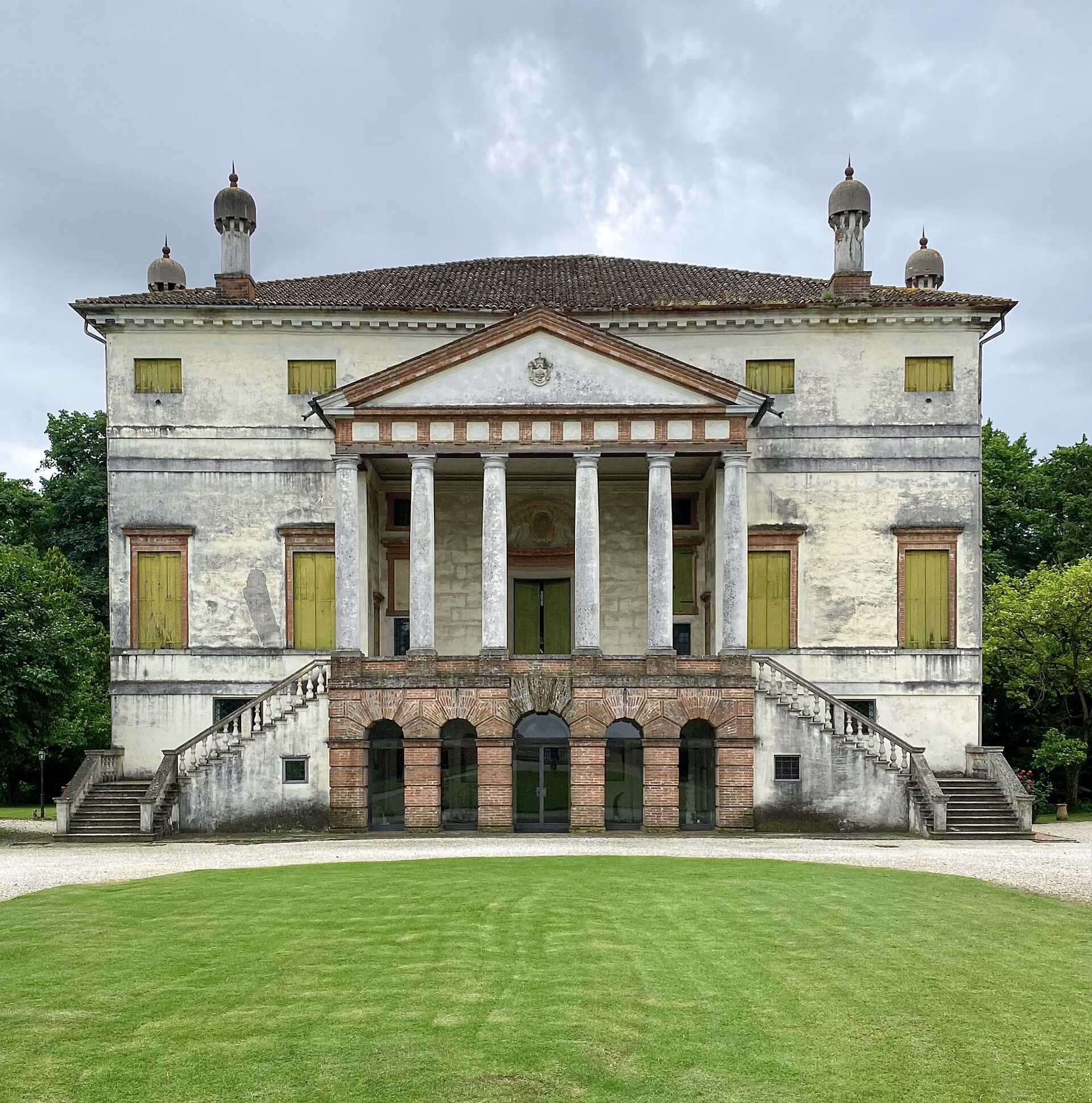
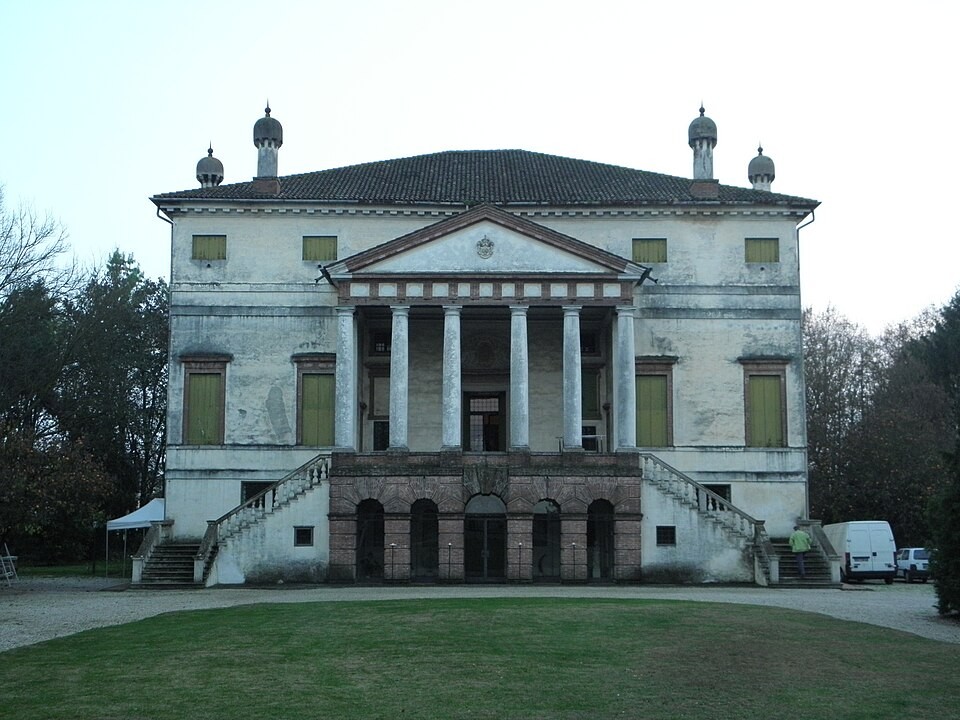
Where, exactly, was that banquet held? The sources disagree. The bicentenary studies place it in casa Molin, today’s Villa Grimani Molin Avezzù. The Treccani Dizionario Biografico speaks instead of casa Monti. The doubt remains, but it is in the villa that the town has chosen to keep its memory.
Every November, during the Giornate della Carboneria, the villa lays the table once more. A dinner in period costume recalls that evening of San Martino, when the enthusiasm of a few toasts changed the fate of a group of Polesine patriots.