Rovigo, 1469. Ludovico Ricchieri is born in a tailor's house. The learned world would know him by the Latin name Caelius Rhodiginus, Celio of Rovigo. He carried Rovigo with him, in that name, all his life.
He studied in Ferrara, supported by a patron from Rovigo, Girolamo Silvestri. By 1491 he was already professor of Greek and Latin in his home town. When Silvestri died in 1499, it was he who delivered the funeral oration. Then he asked leave to go away and continue his studies.
His relationship with his fellow citizens soon soured. Back home, he resumed teaching on special terms, but on 26 May 1504 he was dismissed and stripped of the right to sit on the city Council. The sources speak of ungenerous behaviour towards the city and a difficult character.
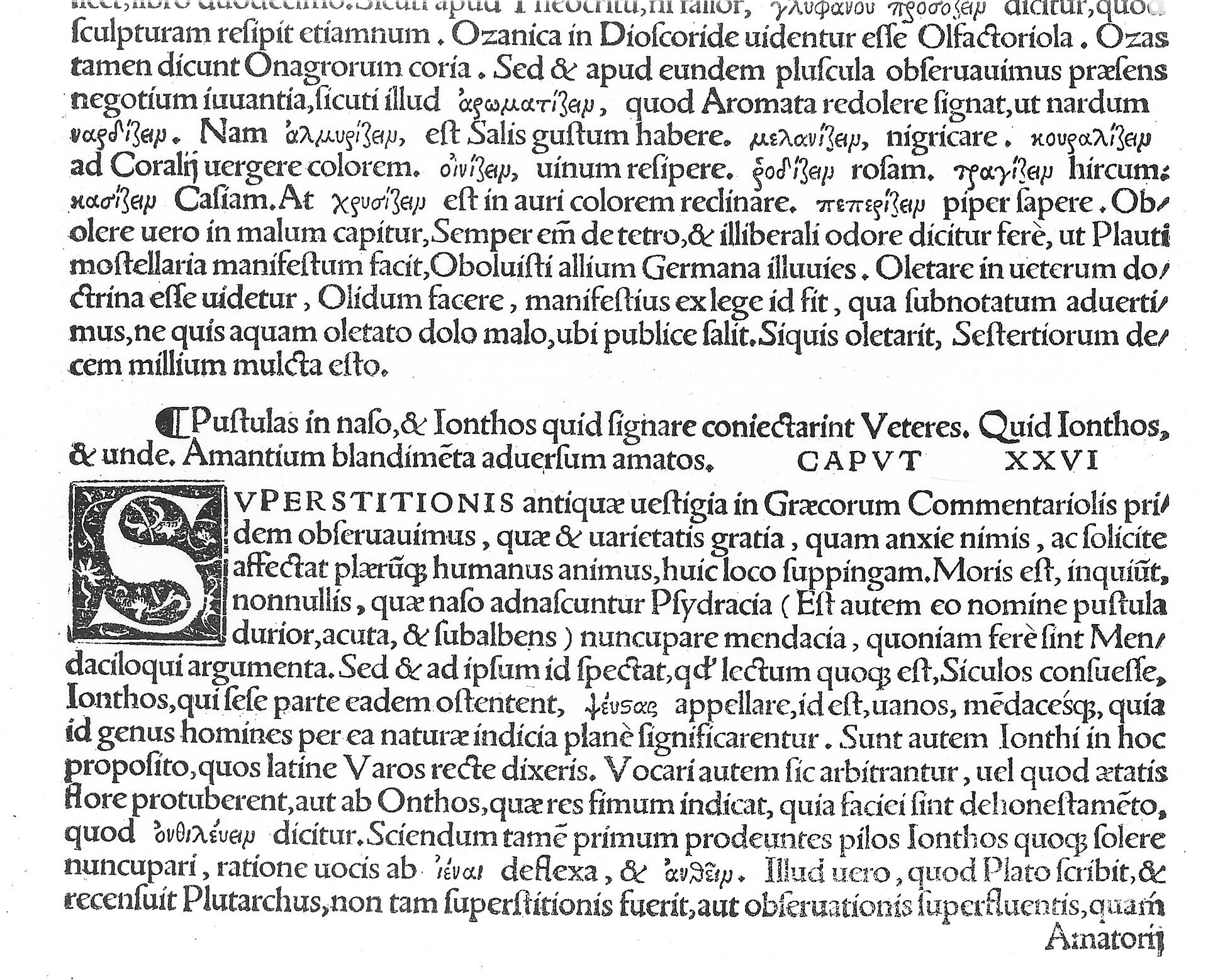
So began a long wandering: Bologna, Ferrara, Vicenza, Padua. From 1511 to 1516 he taught in Milan. In those years the work of his life took shape, the Lectiones antiquae, printed in 1516 in sixteen books. It was a kind of encyclopaedia of ancient learning, built on years of reading and teaching. His nephew Camillo edited an enlarged edition, published in Basel in 1542, and the work was reprinted again, for instance in Leiden in 1560.
In 1523 came reconciliation. Rovigo readmitted him to the Council and entrusted him with an honour: the oration for the election of the new doge, Andrea Gritti. Celio died soon after, in 1525. Archival research shows that he died in Padua, in a rented room, with a chest of books among his few possessions.
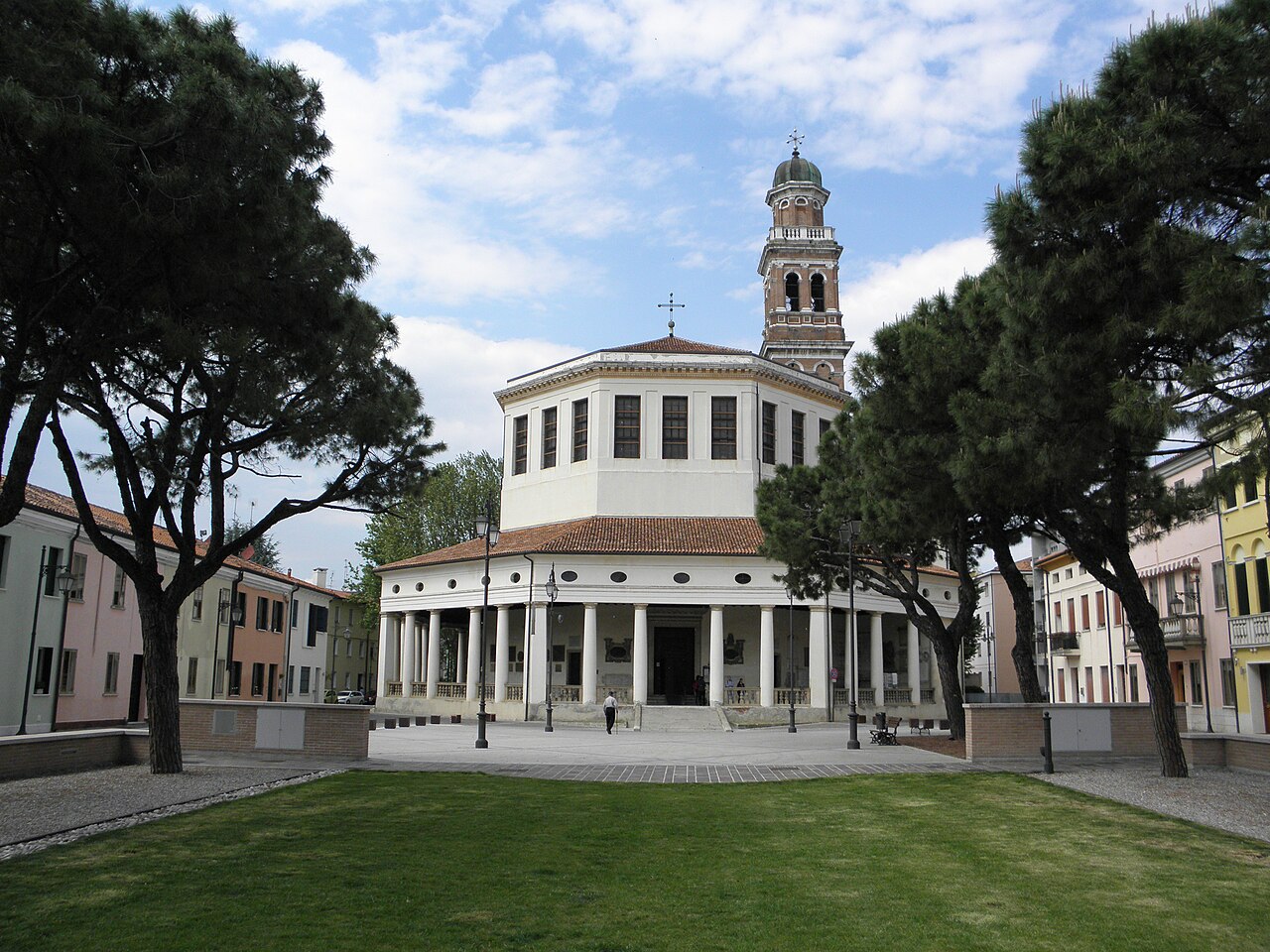
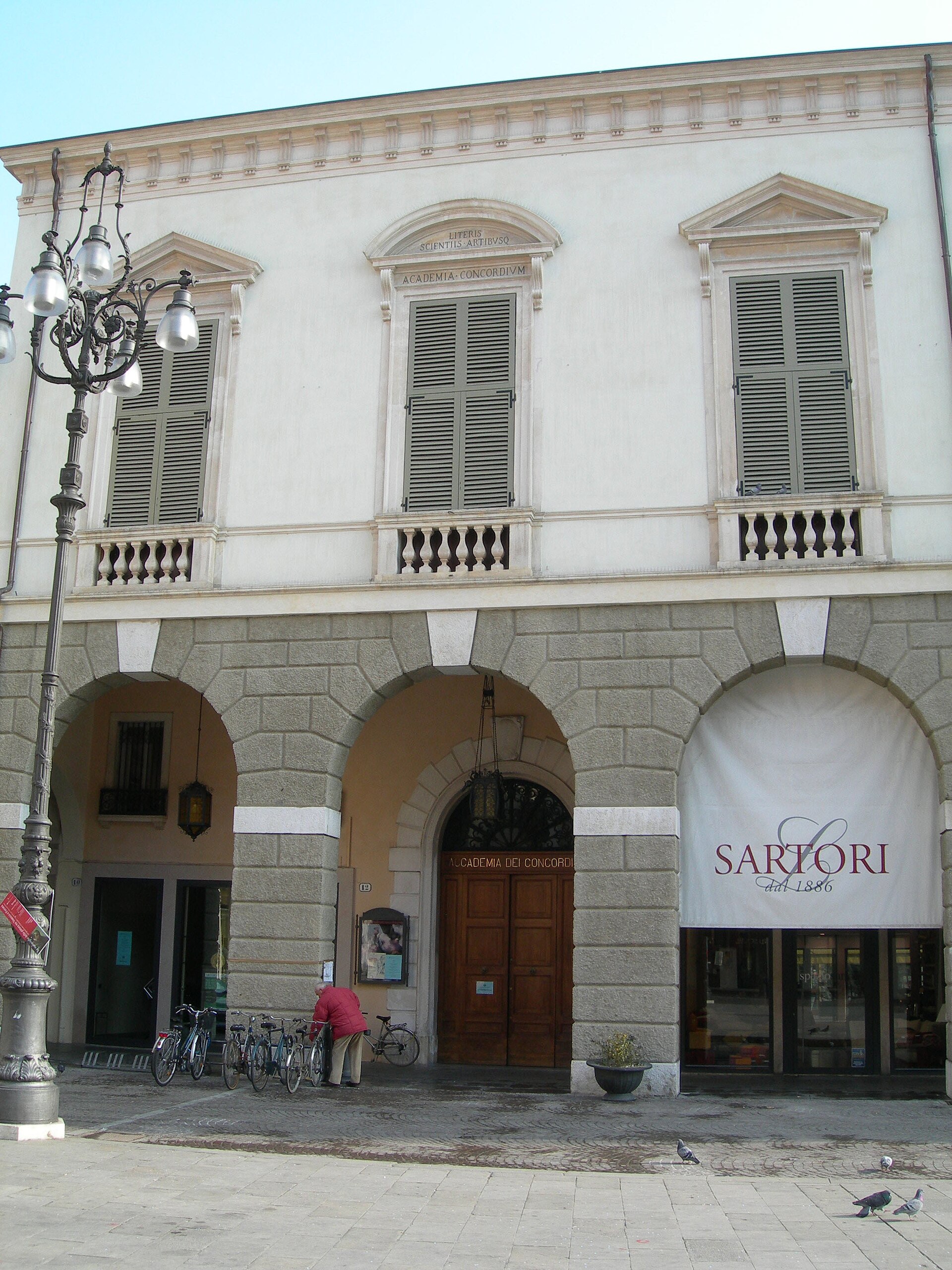
Today Rovigo's classical lyceum bears his name. Anyone wishing to look for his memory in the city can start from the portico of the Rotonda, where a bust of him has been reported by the local press, and continue to the Accademia dei Concordi, which keeps the city's scholarly memory.