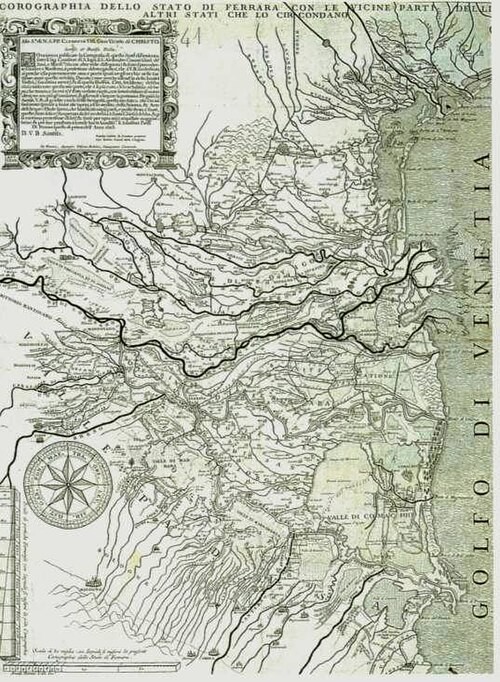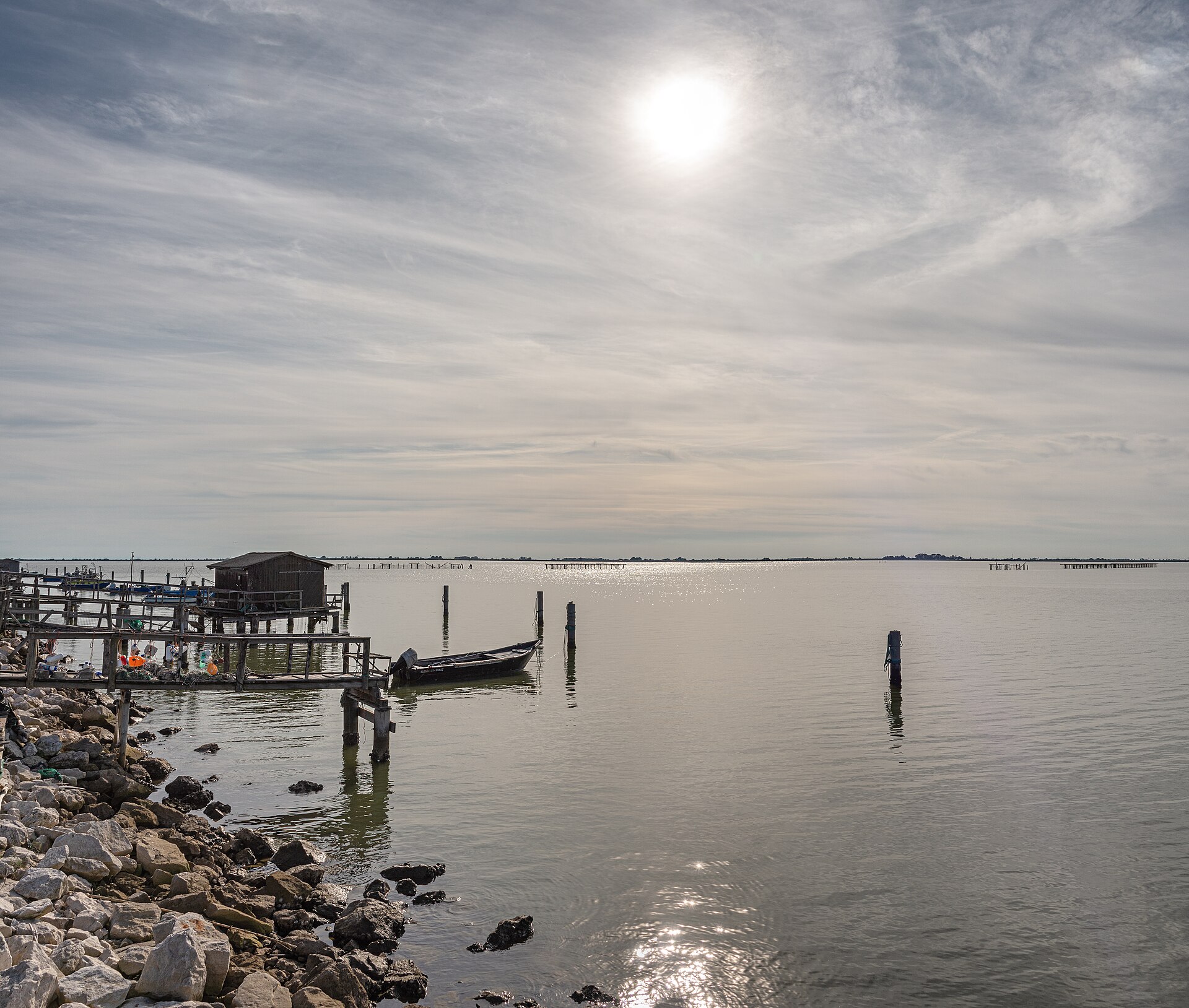
In the Delta, rice arrived together with land reclamation. The PGI specification and the protection consortium explain it: when land was won from the marsh, the rice field was the first agricultural use of the new ground. The story of rice here is the story of how the countryside emerged from the water.
The earliest evidence in the Polesine and the Delta dates from the second half of the 15th century, a few decades after rice spread across the Po plain. The Consortium recalls a document of 1475: Galeazzo Maria Sforza, Duke of Milan, sends twelve sacks of rice to Ercole I d'Este, Duke of Ferrara, praising its virtues. In 1594 a law of the Republic of Venice regulated the use of water for rice fields and allowed them only «per valli ed altri luoghi sottoposti alle acque» (in lagoons and other places subject to the waters): rice had to be grown where draining was difficult.
The turning point came at the end of the 18th century. Venetian patricians with large estates in the Delta, the Diedo, Contarini, Farsetti, Valier and Venier families, began systematic cultivation on the reclaimed lands around Rovigo. In the 19th century new middle-class landowners, among them the Lattis, Piavenna and Sullam families, extended it: around 1850 rice fields covered about 4,000 hectares. This was the world of the mondine, the women who weeded and harvested by hand; the Comune of Porto Tolle recalls that until the 1970s the women of Scardovari still left to work as mondine in Piedmont.
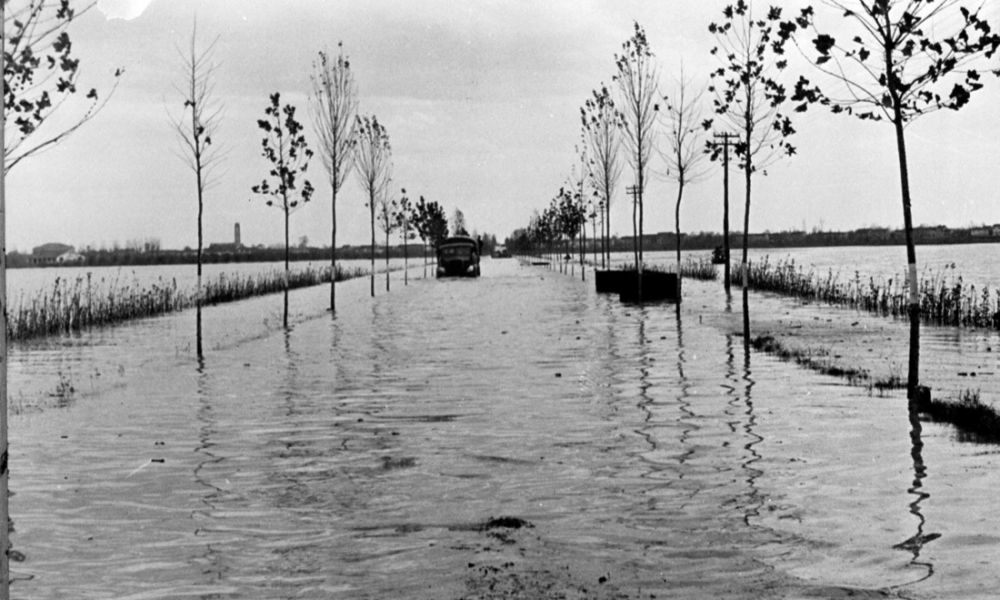
In 1950 Viscardo Montanari, of the agricultural inspectorate for the Venetian regions, named rice as the crop best suited to reclaiming marshland and ranked it among the finest in Italy. Then the floods of 1951, 1957, 1960 and 1966 forced the fields to be rethought; in the 1980s the area under rice shrank, recovering in the 1990s.
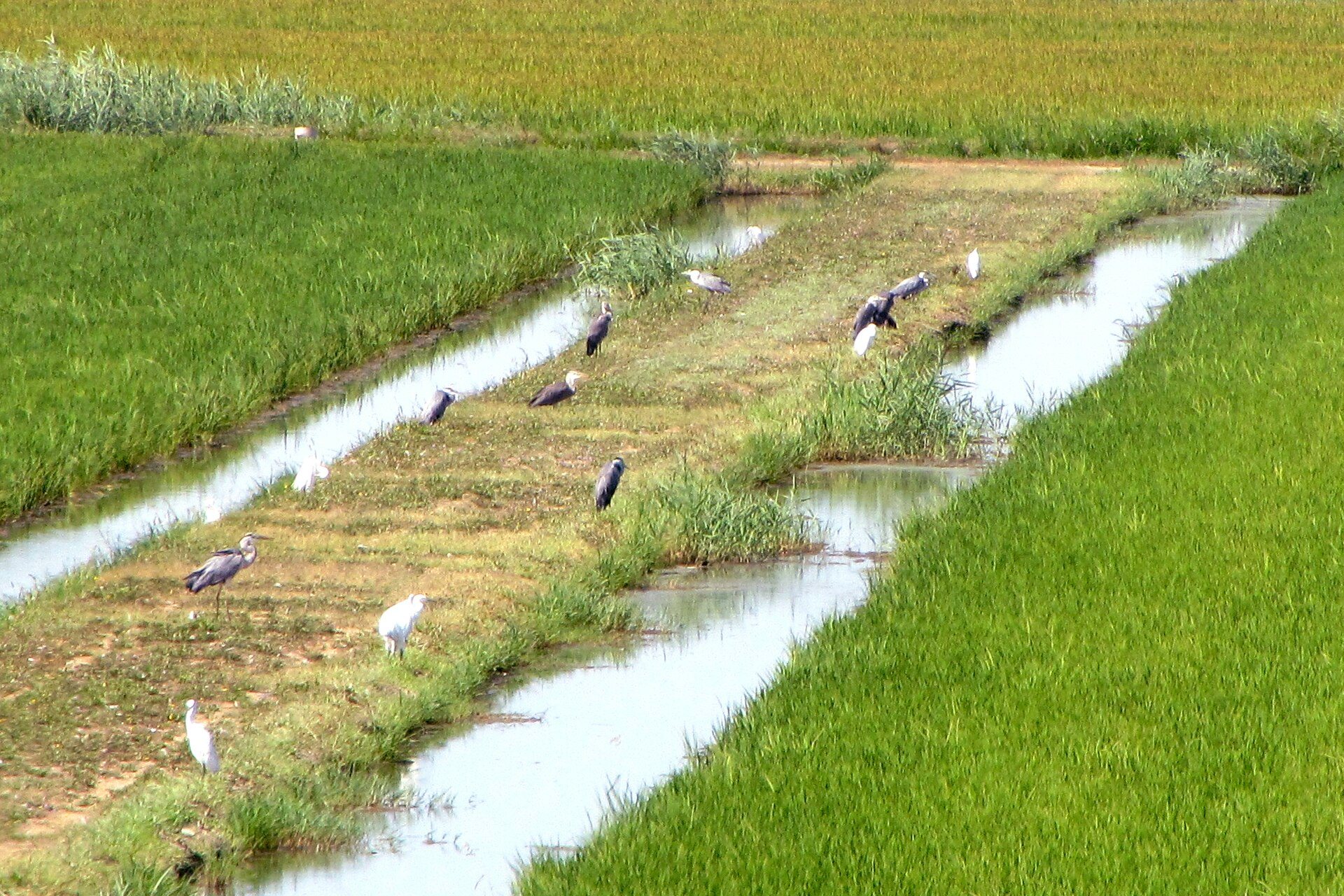
The grain owes much to this environment: saline, potassium-rich soils, sea breezes, scant rainfall. PGI status came in 2009, covering eight municipalities around Rovigo and eleven around Ferrara, with varieties such as Carnaroli, Arborio, Baldo and Volano. Between Porto Tolle, Taglio di Po and Ariano nel Polesine, rice fields are still part of the Delta landscape.