On an outlying street, a few metres from the city cemetery, an almost anonymous façade and thick brick walls guard the last memory of Rovigo’s Jewish community. No prominent sign points it out: you have to know it is there. The Via Stacche cemetery was built from scratch when the law banned burials inside the city walls. It is the last Jewish cemetery built in Rovigo. From the street you barely notice it; beyond the wall, a place of silence and contemplation opens up.
A community in nine hundred names
Inside are some 900 gravestones. They bear the names of ordinary citizens and of prominent figures in a community that numbered 430 people in 1870. The community then dwindled steadily, until in 1930 it was merged with that of Padua. Every name is a story, and together they tell of a community. Today it no longer exists as an independent body. The last funeral took place in 2014, for Professor Dina D’Angelo, who died aged 101: a final farewell, more than eighty years after the merger with Padua. Here, the Jewish story of Rovigo came to a close only very recently.
A heritage to rediscover
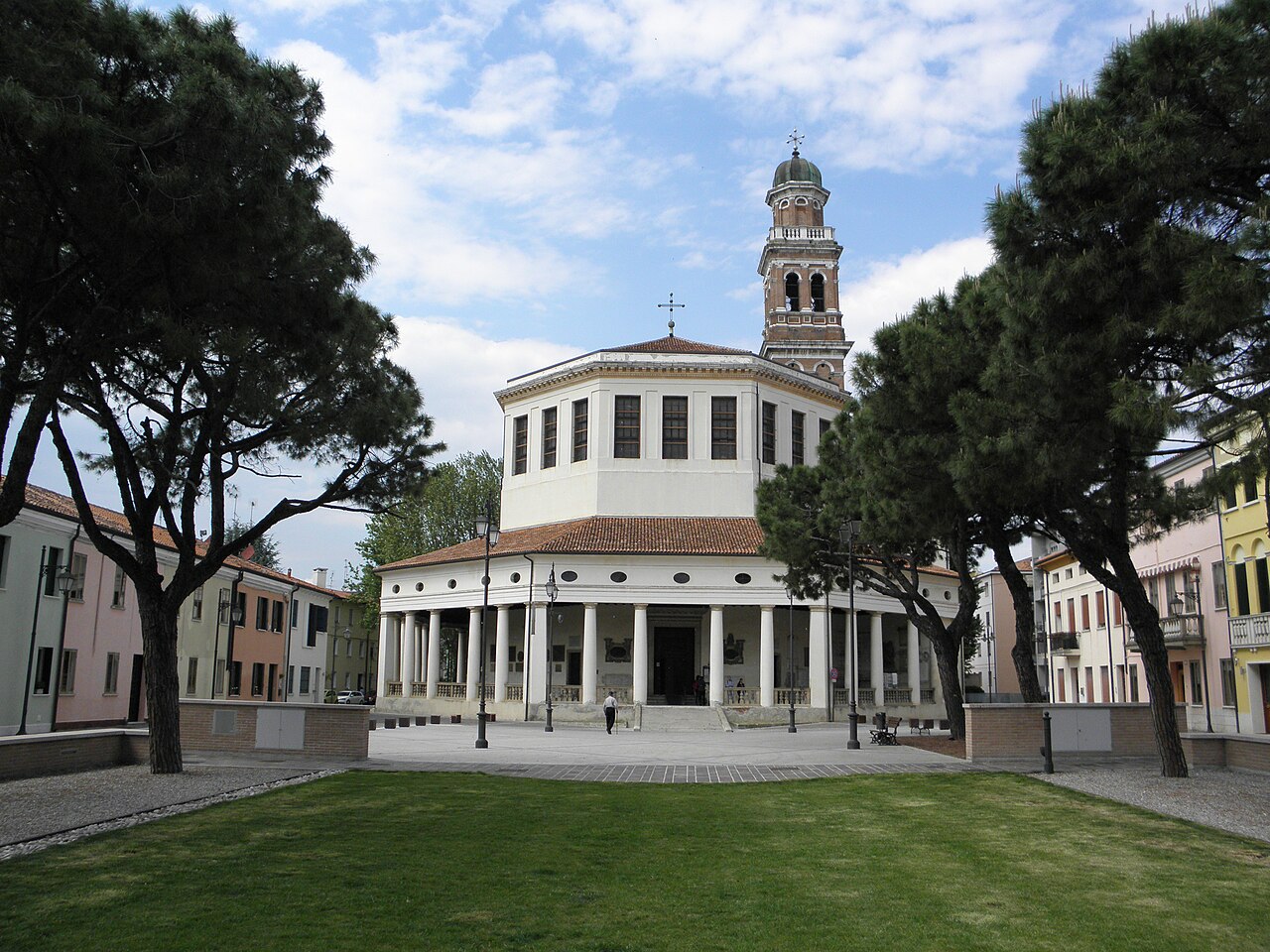
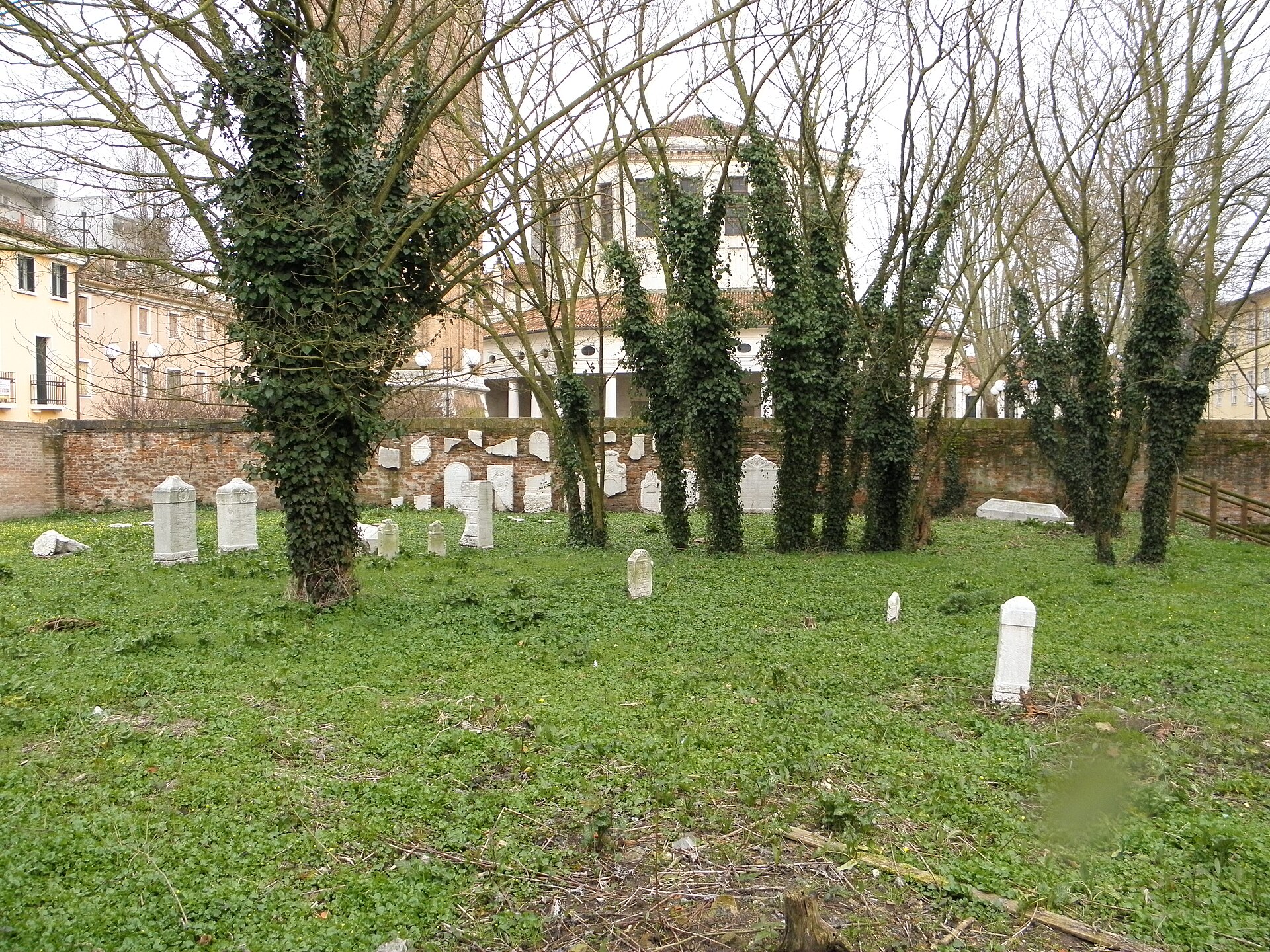
There is also a second, older Jewish cemetery, on Via Mure Soccorso. It lies along the line of the old walls, near the Rotonda, and keeps a few commemorative plaques. Together, the two places tell of centuries of Jewish presence in the city: far apart, but bound by the same memory.
The Via Stacche cemetery has been nominated several times in FAI’s ‘I Luoghi del Cuore’ census. In 2020 it opened to the public during the FAI Spring Days. It is a sign of growing attention to a heritage little known even to the people of Rovigo themselves. For those who manage to visit, it is the last stop on a journey through memory that begins among the lanes of Piazza Merlin, where the ghetto once stood. Visiting it, when possible, is a gesture of care towards a story that risked being forgotten.