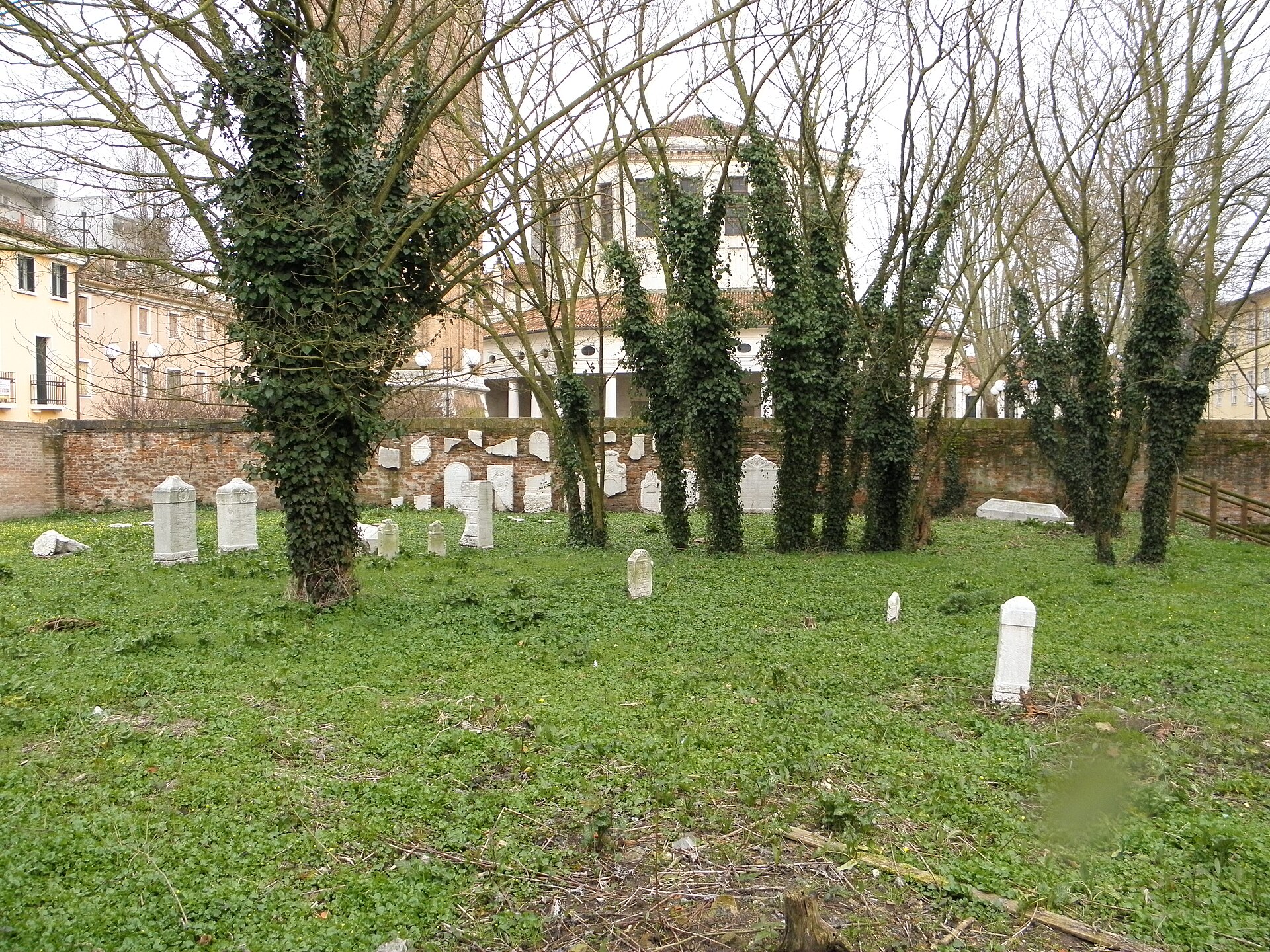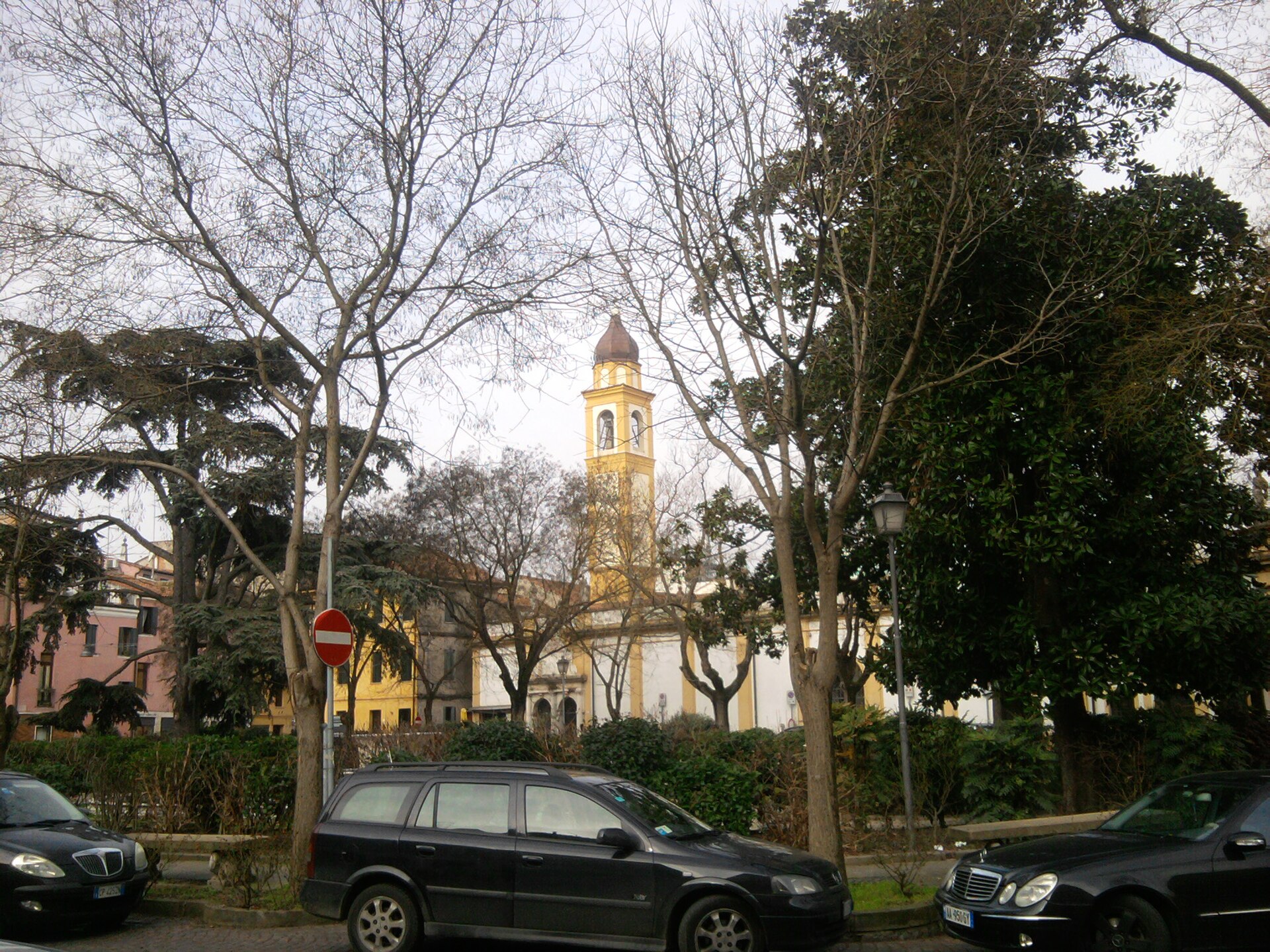
The quiet garden of Piazza Merlin, with its gravel paths, flower beds and tall trees around a fountain, hides a story almost erased. Here stood Rovigo’s Jewish ghetto, finally demolished in 1930. To see it today, you have to know how to imagine it.
A deep-rooted community
A Jewish presence in the city is recorded from the late 13th century. In 1386 a group of Jews from Lendinara was entrusted with collecting the municipal taxes. In 1391 the council invited Salomone and the brothers Alvicio and Emanuele to open a loan bank. According to the historian Andreina Milan, between the 12th and 15th centuries Rovigo’s Jews enjoyed a prominent social position and took an active part in the economic and cultural life of the city. Even after the city passed to Venice, their situation long remained unchanged. For centuries, then, the community was a living part of the city, not a world apart.
The five courtyards
The turning point came between 1612 and 1615, when the creation of the ghetto was ordered. Only the bankers and their families were allowed to live outside it. In 1617 seventeen families lived there. In 1629 the destruction of a synagogue was ordered, as it was judged too close to a church. The community grew all the same: about 230 people in 1785, 430 in 1870. In 1858 the synagogue was restored. Small numbers, but they tell of a tenacious presence.
In the 20th century the community shrank rapidly. In 1930 the ghetto and the synagogue were demolished as part of the rebuilding of the centre, and the hundred or so Jews who remained were merged into the community of Padua. Within a few years, a centuries-old world vanished from the map of Rovigo. During the German occupation of 1943 most members of the community managed to reach safety; two were deported. Andreina Milan describes that ‘teeming and run-down’ world of five narrow courtyards as a ‘mysterious citadel’, removed from the fabric and the memory of the city. Today, walking among the flower beds, it is worth pausing to remember it.