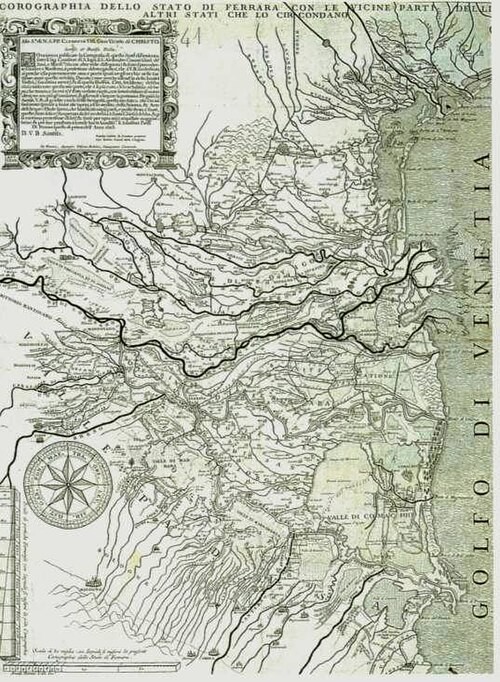
Today San Basilio is a tiny hamlet among the fields. Yet Etruscans, Romans and medieval monks all passed this way. The hamlet stands on an ancient fossil dune, on what was once the shoreline. Where fields now lie, the sea once reached.
Beneath the sand, an ancient settlement
The first surface finds date from 1977. At the end of the 1980s the Soprintendenza (the state heritage authority) and the University of Bologna carried out test digs. Since 2019 excavations have resumed with Ca’ Foscari University of Venice and the University of Padua.
They have brought to light a Veneto-Etruscan settlement, with structures of wood and fired clay used from the early 6th to the late 5th century BC. It was probably linked to port activities. Bucchero ware, Attic, Ionian and Corinthian pottery and goods from the eastern Mediterranean tell of trade across the whole Mediterranean.
On the road of the Empire
In Roman times the site was a staging post on the Via Popilia, the road that ran along the coastal ridge. It is identified with the “mansio Hadriani” of the Tabula Peutingeriana, the famous road map of the Empire. Of the Roman farm villa, mosaics, oil lamps and moulded marbles remain.
Between the 4th and 5th centuries AD a small place of worship rose here, with a baptistery and “alla cappuccina” burials, graves roofed with tiles. It is considered the seat of the oldest Christian community in the Polesine.
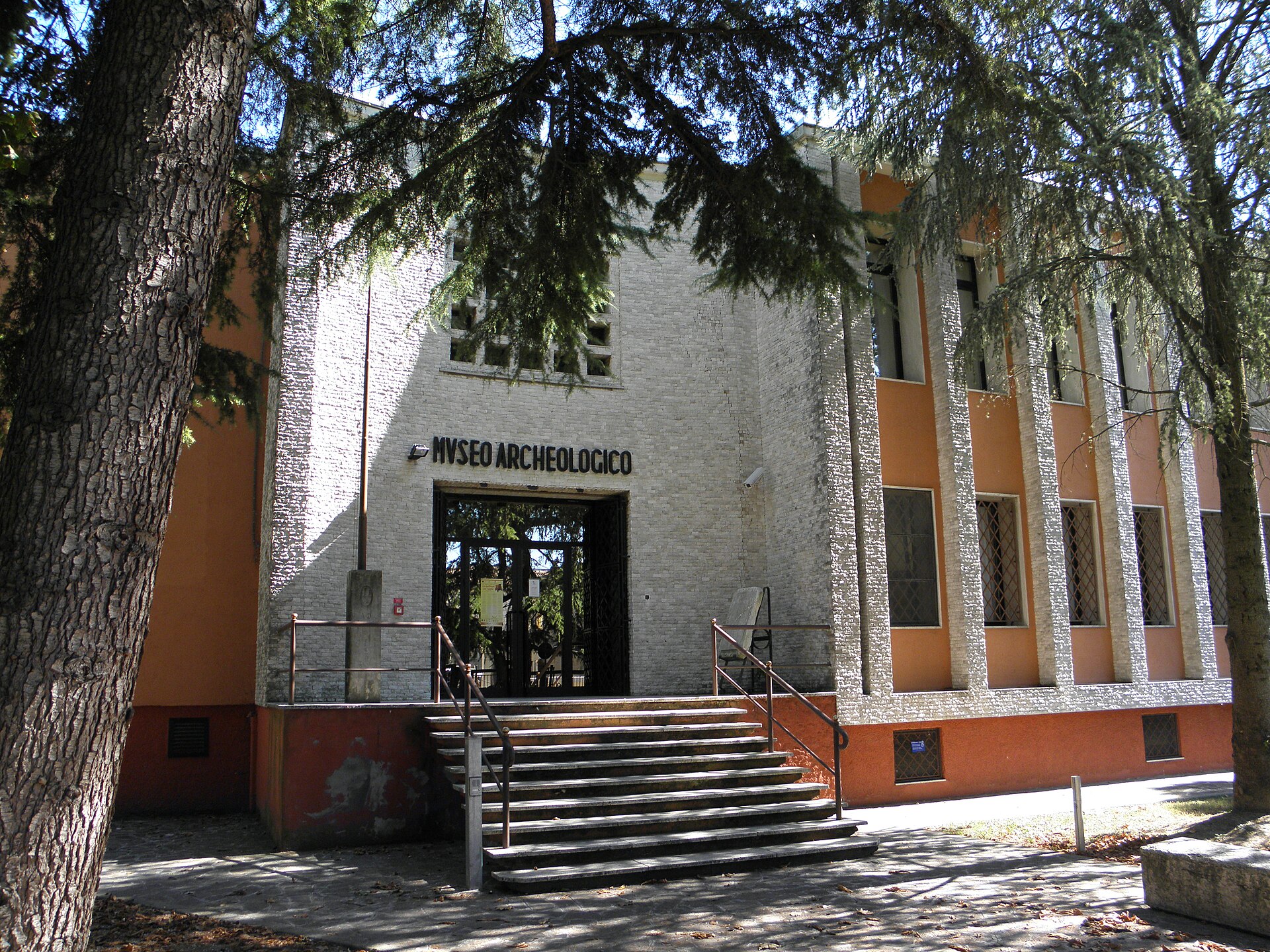
Many of these stories can be followed up close at the Centro Turistico Culturale di San Basilio, open to the public since 1995.
The monks’ little church
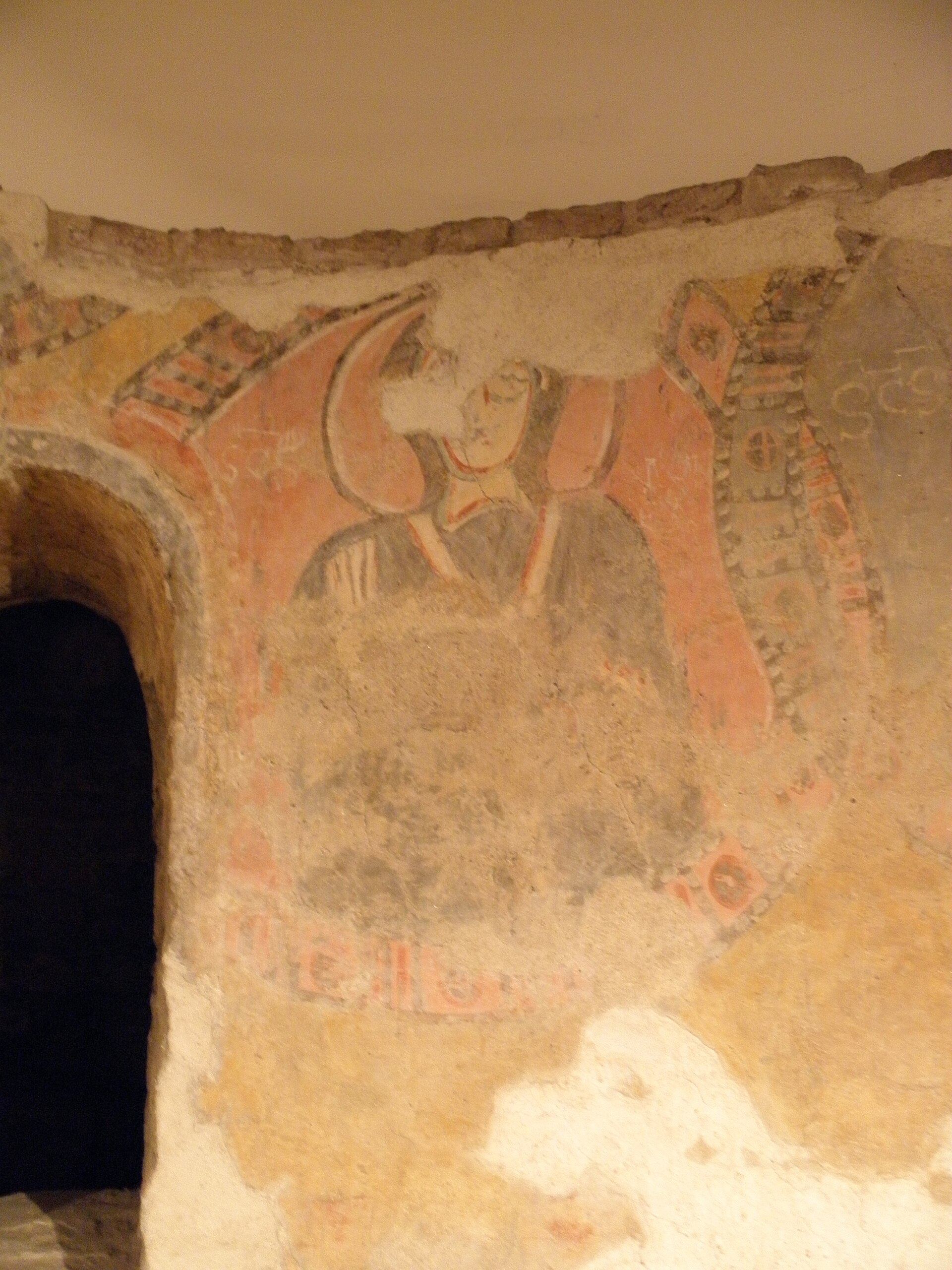
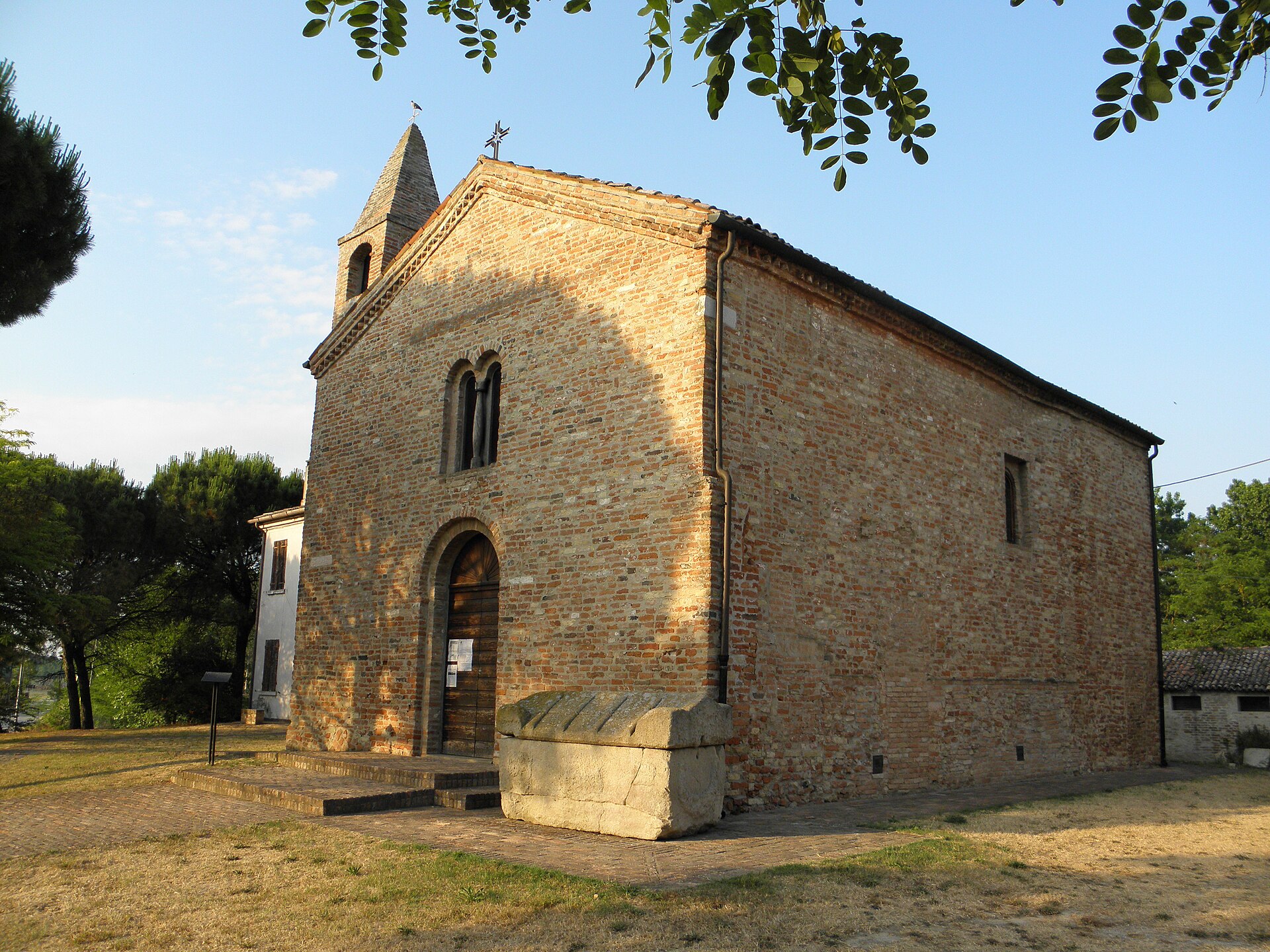
The little church of San Basilio we see today was built in the 9th century by the Benedictine monks of Pomposa Abbey. It is a small Romanesque church of simple forms, restored at the end of the 20th century, and is considered unique in the Polesine.
A sarcophagus rests in the churchyard. In a niche beside the apse stands a marble column that church documents describe as “miraculous”. Here, in a few square metres, you cross more than two thousand years of history.