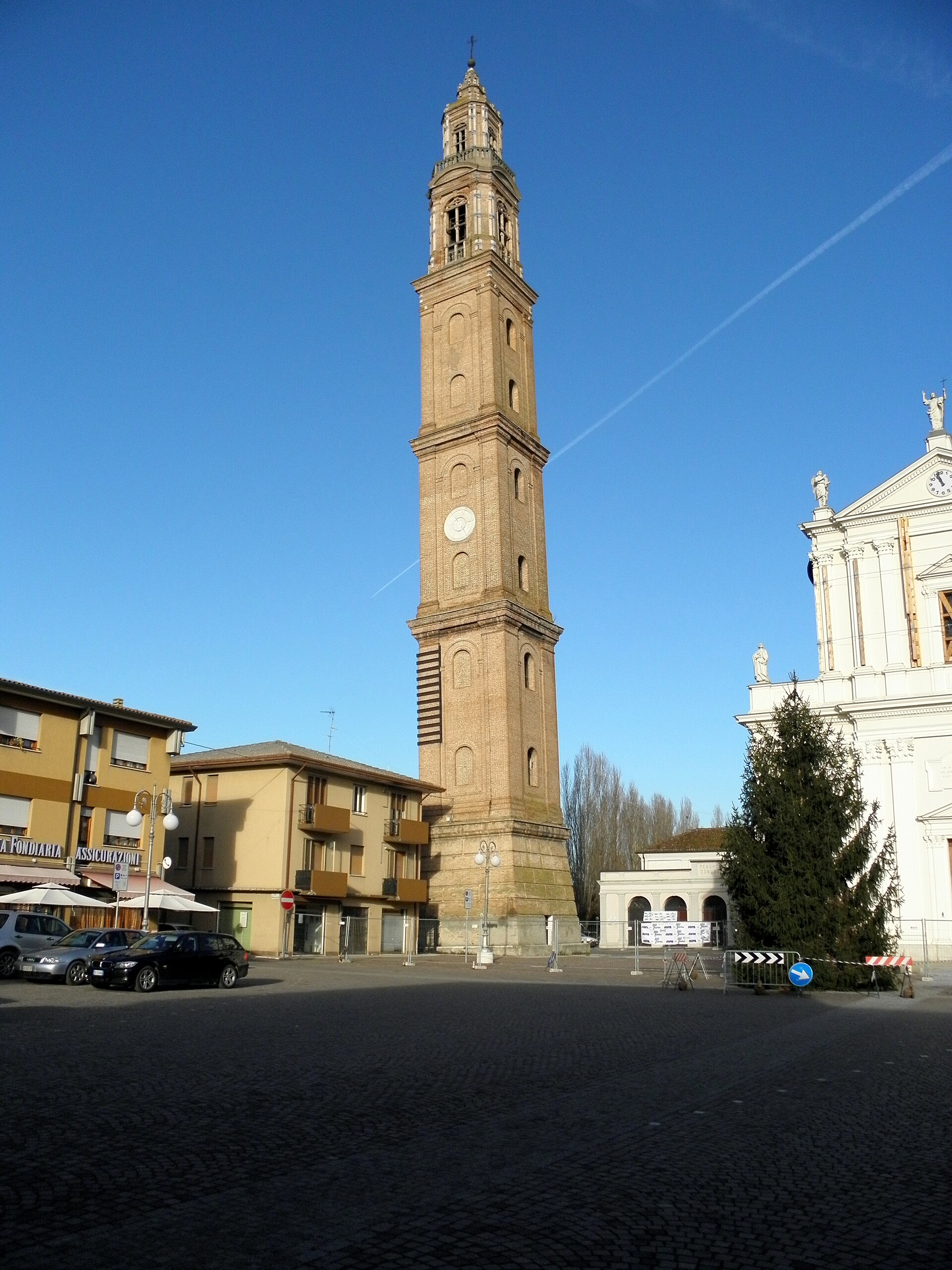
There is one name spoken with respect in the Polesine: Ficarolo. Here, tradition says, in 1152 the Po burst its banks and never turned back.
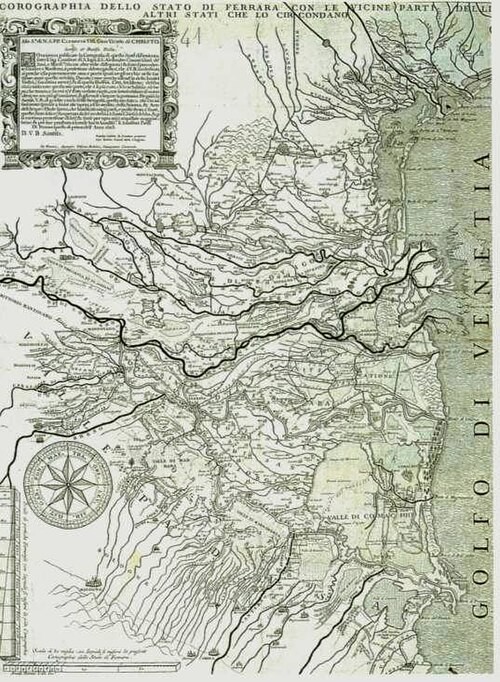
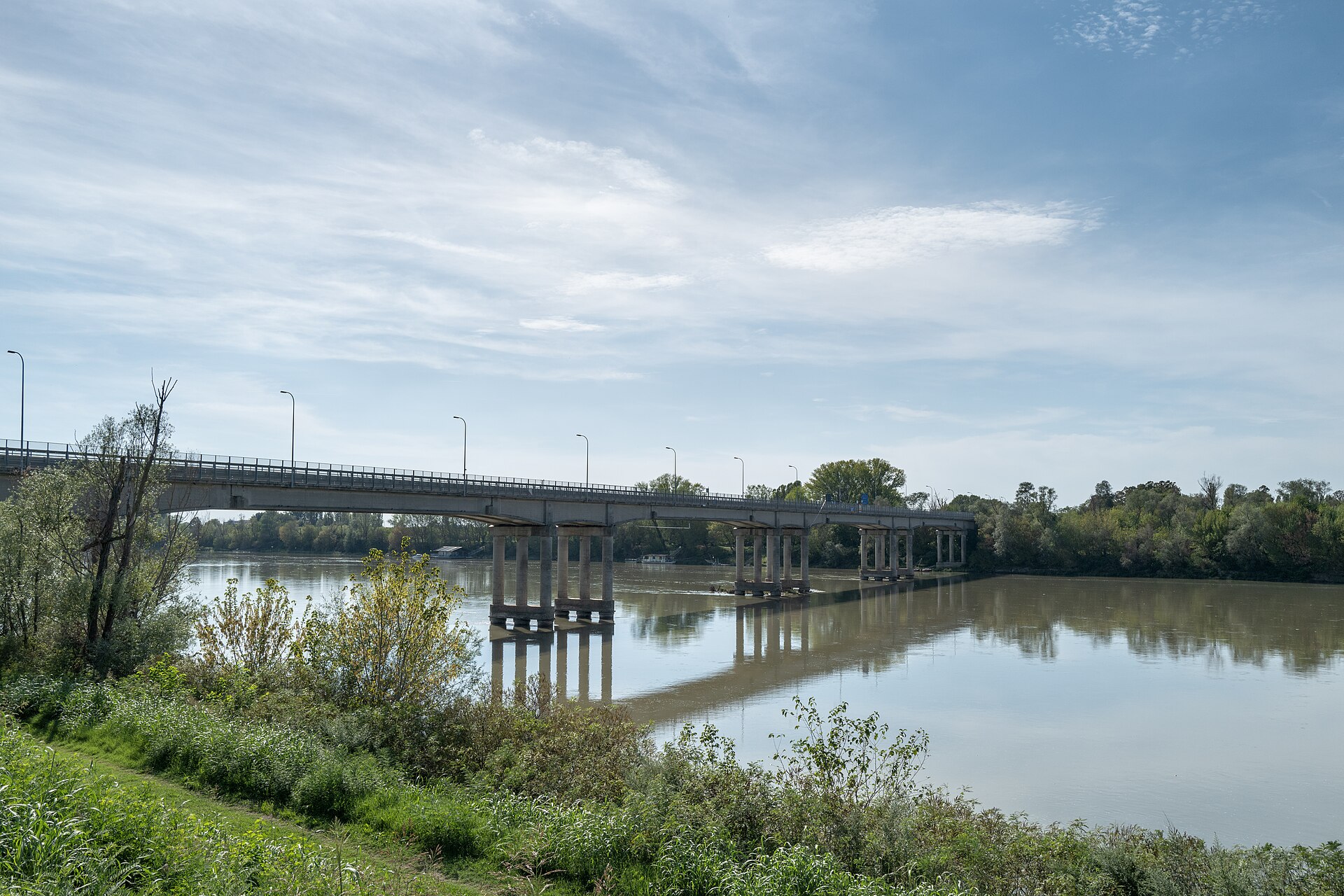
Until then the great river flowed further south. It passed Ostiglia, Bondeno and Ferrara, then split into two branches, the Volano and the Primaro. After Ficarolo a new course was born, “much further north”, heading north-east. It is what we now call the Po di Venezia, the branch that crosses the Polesine all the way to the Delta. The old Po di Ferrara slowly faded away.
It was as if the plain had redrawn its own map. From that moment on, those who lived here had to reckon with a river that had chosen its own way.
Historians today tell the story more cautiously. Not a single night of fury, but a series of breaches that began in 1152 and went on for about twenty years. A slow change, almost a river moving house.
Engineers of later ages would wonder what might have happened had that breach never occurred. Some believed the marshes to the south would have filled up with sediment on their own, until they became a fertile upland. The new course, instead, left the whole southern part of the plain more precarious. And it handed the Polesine its destiny as a “land between rivers”: fertile and fragile at once.
For centuries, curious structures floated on that Po: the floating mills. They were mills built on boats, moored along the banks, with great wheels turned by the current. Along the river, from Cremona to the mouth, more than three hundred are documented.
The millers who worked them lived, quite literally, on the water. They even had a cuisine of their own. Around Cremona and Ferrara people still remember gnocchi “alla mulinèra”, the miller’s way, made from nothing but flour and water. Tradition has it that only the men made them, because their calloused hands could better bear the scalding dough.
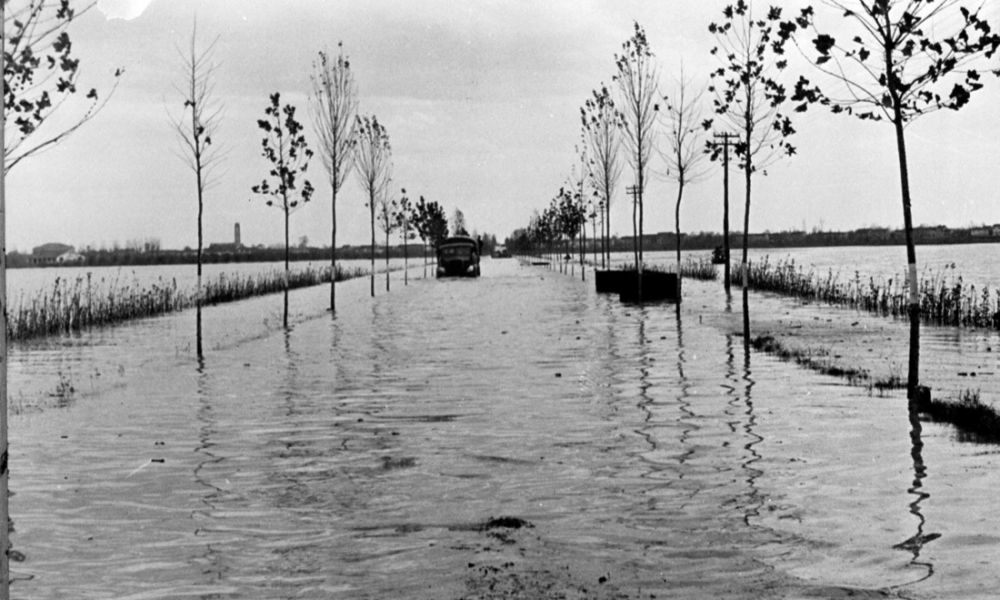
The Po, in short, is not just a line on the map. It is a character that has written the history of this land. It decided where trade would pass, where crops would grow, where an embankment would have to rise.
And at Ficarolo, looking at the river, you understand that this character has never quite stopped making up its own mind. Every flood, every strengthened embankment, every field won back from the water is a new chapter of the same story, which began here more than eight centuries ago.