A city of water
Anyone strolling along Corso del Popolo, the great artery of the centre, is walking on the bed of a river. For centuries Rovigo was a city of water. The first settlement grew up on both banks of the Adigetto which, as Venetoway recalls, ‘was not a canal but a real river’. Its tree-lined banks were the everyday landscape, and Porta San Bortolo, one of the city gates, guarded the entrance to the old town on the left bank. Rovigo, in short, saw itself mirrored in the water.
The disappearance
By the 20th century, however, the Adigetto’s flow had dropped sharply. The canal was no longer used for navigation, and stagnant water in the heart of town was a public-health problem. In 1937 its course was diverted to the western edge of the city, and the urban stretch was filled in. Within a few years the river had vanished from sight. It was a radical choice, and it changed the way people lived in the centre. The work was part of the Fascist-era redesign of the city. Venetoway, citing the 1938 town plan, writes that it ‘altered the face of the ancient river city’.
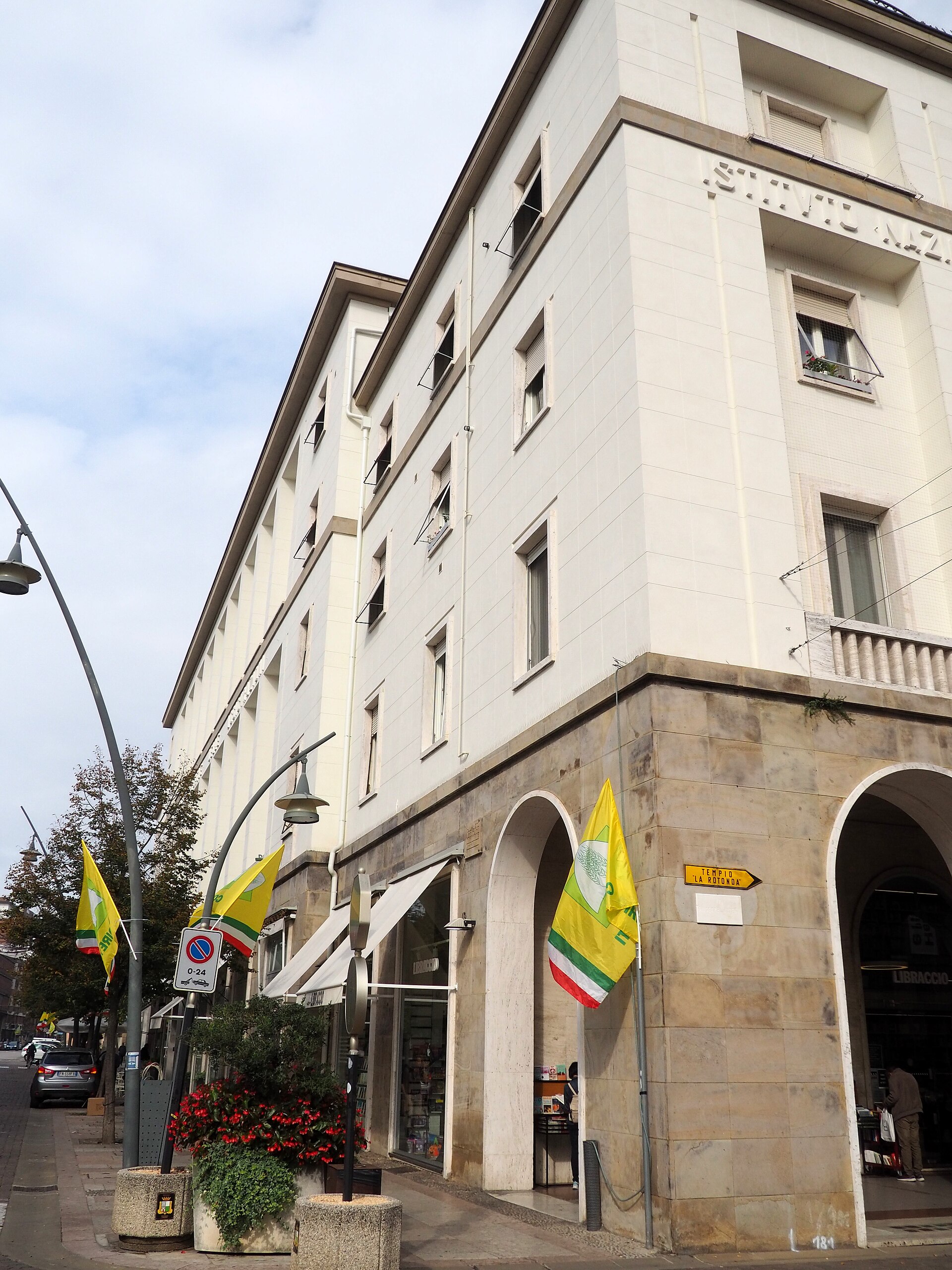
On the old riverbed rose Corso del Popolo, conceived as a main thoroughfare and a driver of new building: it was meant to be the city’s modern face. The Second World War cut the project short. In those years only a few public buildings were completed, among them the Post Office and the Palazzo INA. The rest had to wait until after the war.
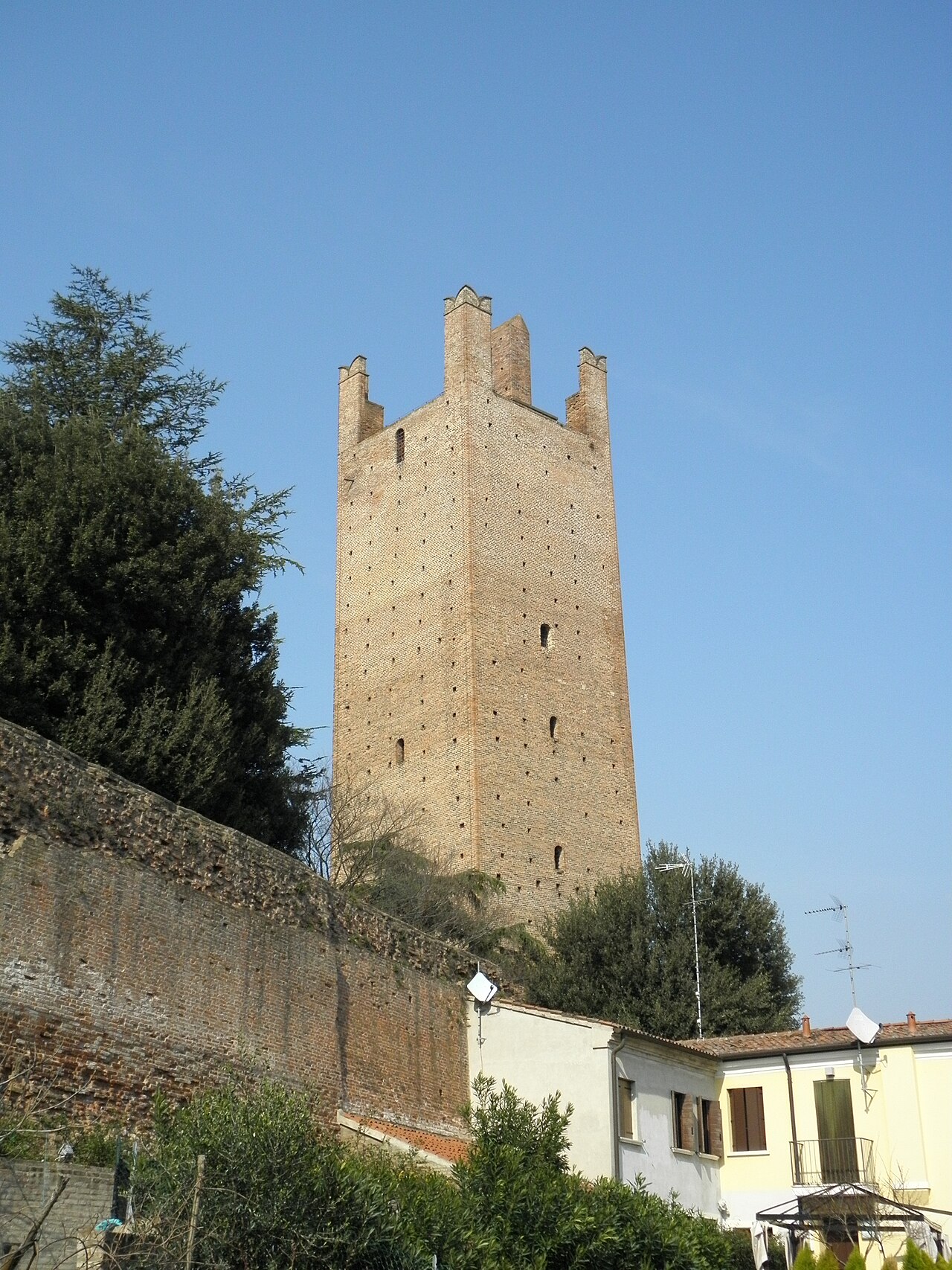
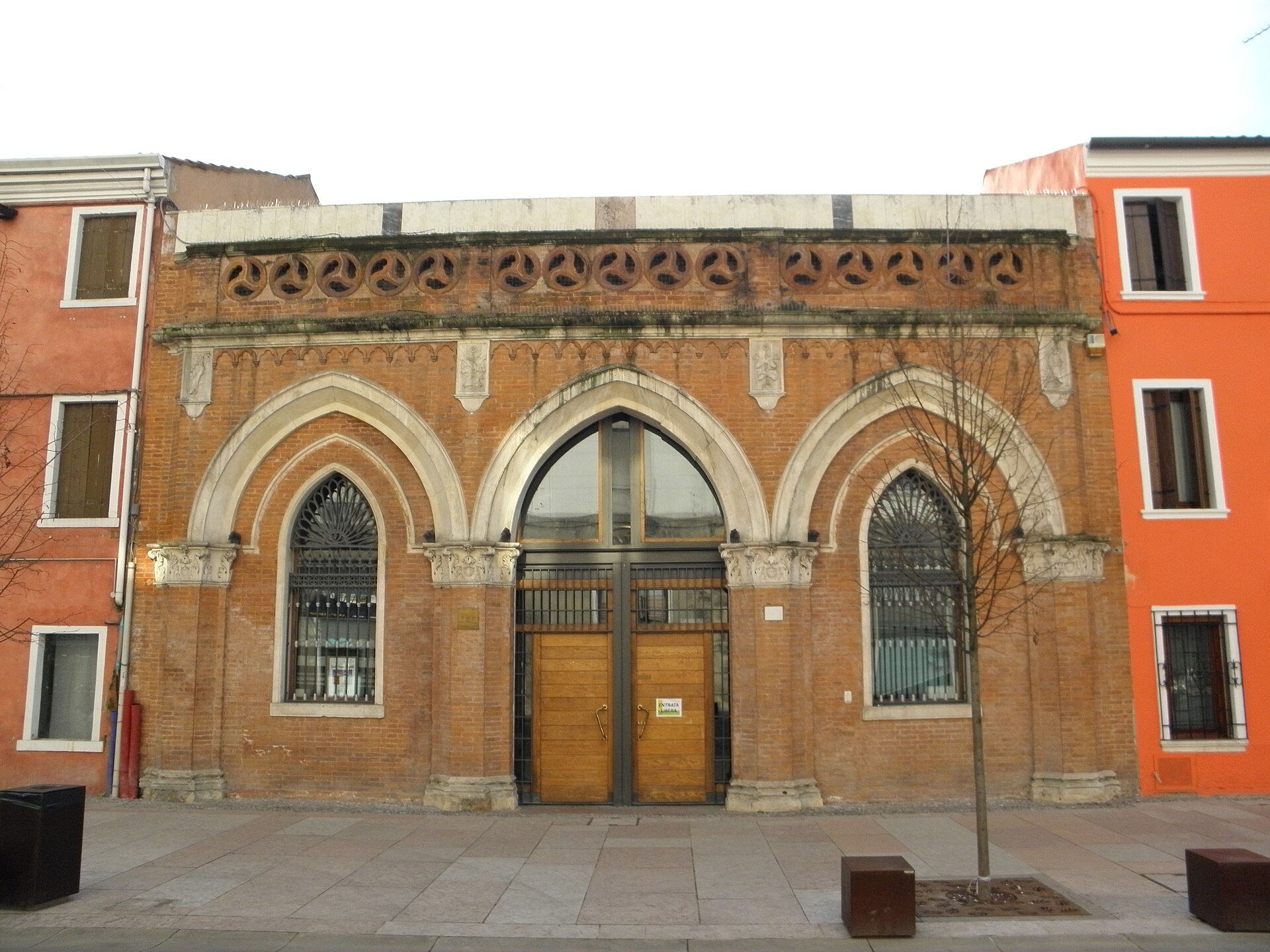
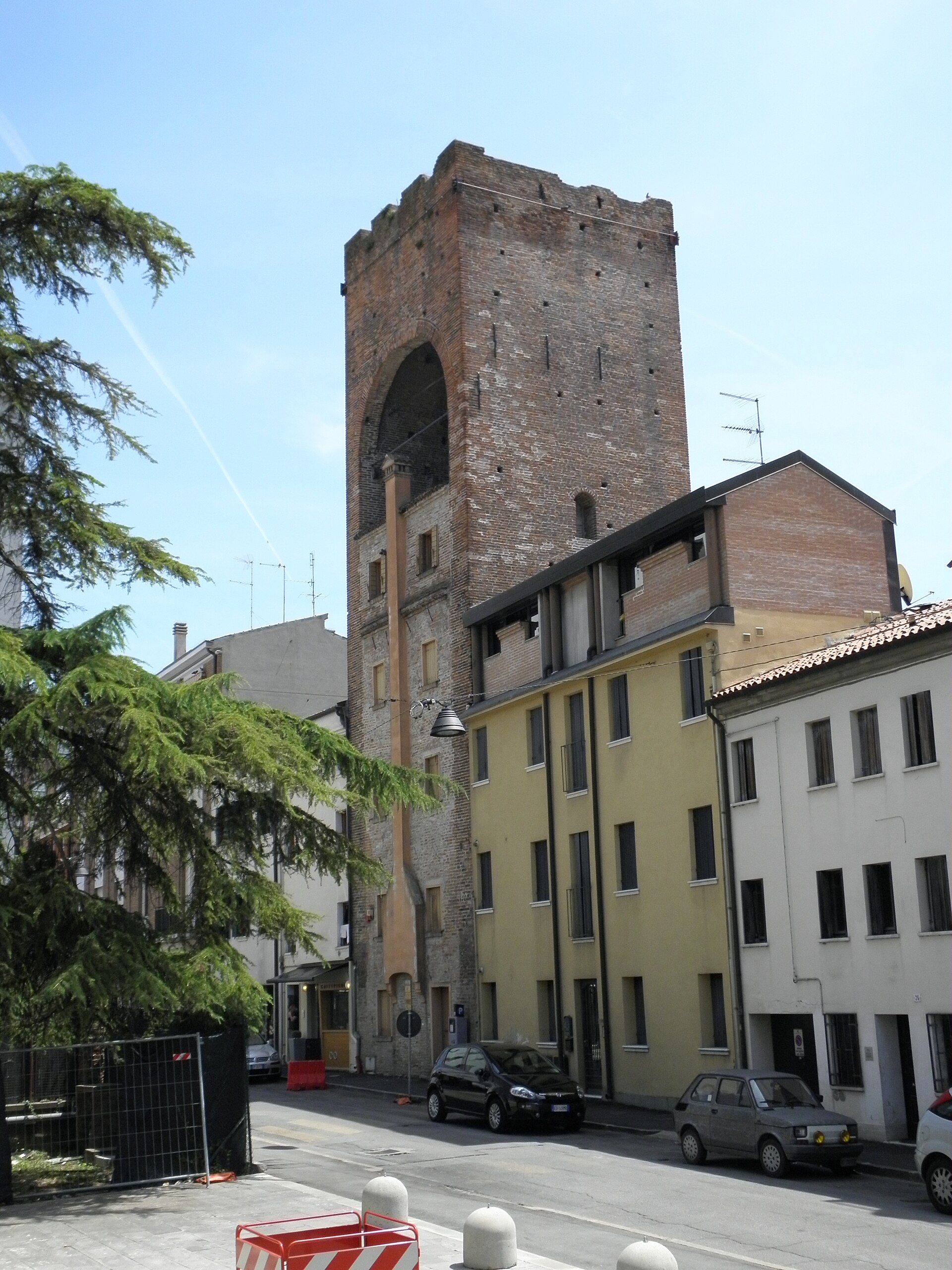
The Adigetto has not, in truth, disappeared. It still flows, diverted, along the west side of the city. In the centre its traces remain, for those who know how to read them. There are the buildings that once faced its banks, such as the Neo-Gothic Pescheria Nuova and Palazzo Venezze, built in 1715 to a design by Agostino Ghirotti. And there is the line of the Corso itself, which follows the river’s old curve beside the castle towers. Walking along it, you can still imagine the water. A river turned into a street, but not entirely forgotten.