The ancients told how Phaethon, son of the Sun, wanted to prove to everyone that he truly was of divine descent. He asked his father for a gift: to drive, for a single day, the fiery chariot that crosses the sky. His father tried to talk him out of it. In the end he gave in.
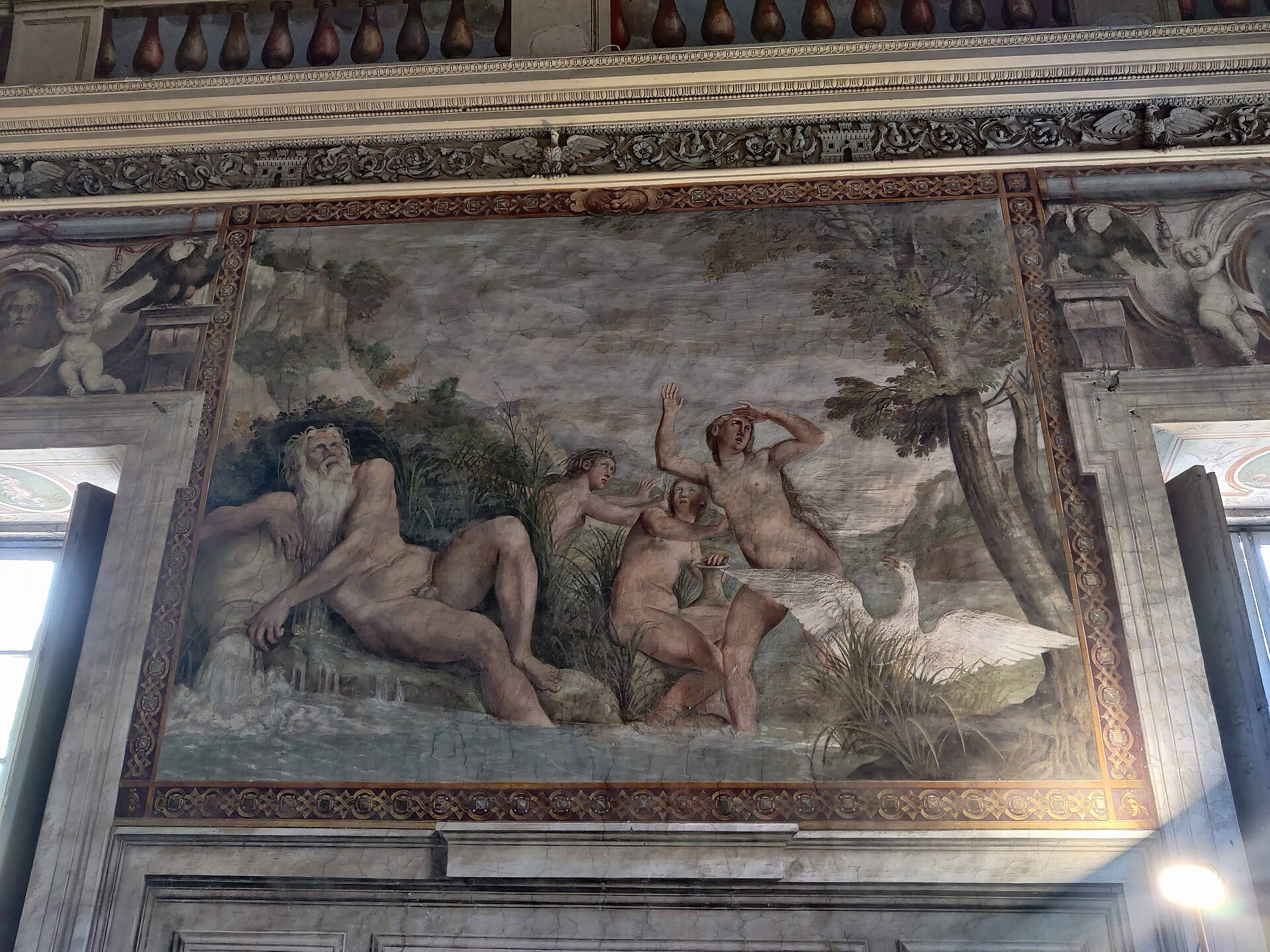
It was a disaster. The horses of the Sun sensed that the reins were in the wrong hands. The chariot plunged too close to the earth, burning forests and drying up rivers. To stop it, Zeus hurled a thunderbolt.
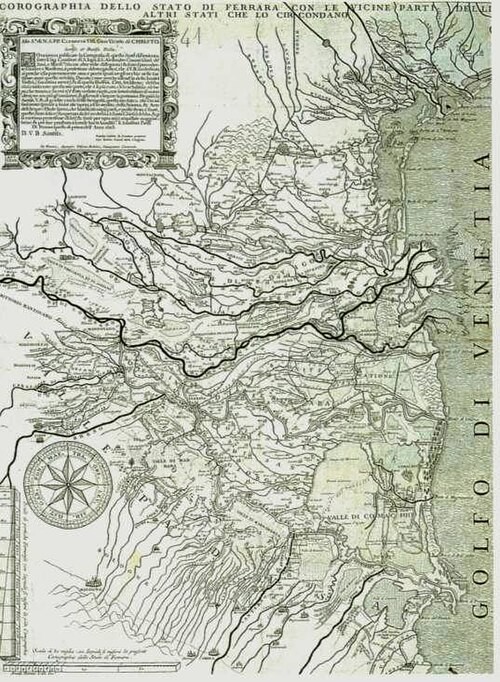
Phaethon fell like a shooting star. He landed in the waters of a great northern river: the Eridanus, which the ancients identified with the Po.
His sisters, the Heliades, ran to the banks. They mourned their brother without end. The gods, moved to pity, turned them into poplars. And their tears hardened into drops of amber.
It is one of the most famous stories in Ovid’s Metamorphoses. And it is the myth the Polesine has chosen as its own tale of origin. One look at the landscape tells you why: a land between two rivers, made of water and sky, of poplars and, once, of amber.
The beauty of it is that, beneath the myth, there is something true.
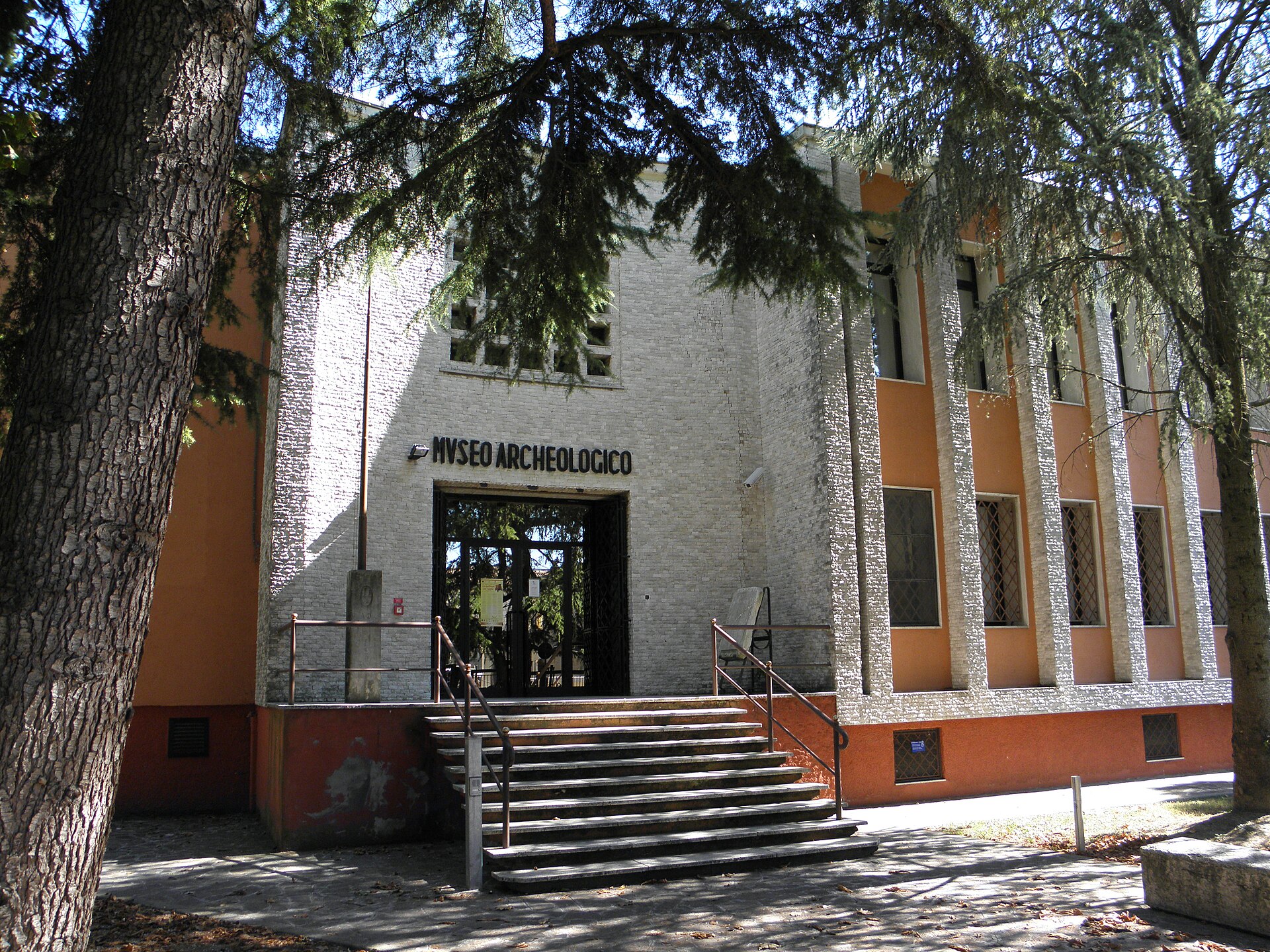
At Frattesina, near Fratta Polesine, a Bronze Age village flourished between the 13th and 10th centuries BC. It was no ordinary village. It was a centre of craft production and trade on a European scale. Amber from the Baltic arrived here. It was worked here. And from here it set off again towards the Mediterranean, along the routes of the Adriatic.
Archaeologists have found beads of amber and glass, ivory combs, even ostrich eggs. These objects speak of contacts with very distant lands. A small world of craftsmen and merchants, in the middle of the plain, looking very far away.
Perhaps, when the Greeks imagined tears of amber on the banks of the Eridanus, they had in mind the very places from which that golden stone reached their markets. We cannot be sure. But it is lovely to think that, here, myth and archaeology look each other in the eye.
Next time you see a row of poplars along an embankment in the Polesine, remember the Heliades. And those golden tears that, three thousand years ago, really did travel through these parts.