At the end of the 1960s, during farm work and deep excavations in the countryside of Fratta Polesine, the earth gave up fragments nobody expected. These were not the remains of a simple farming village. It was the beginning of the discovery of Frattesina.
Between the 13th and 10th centuries BC, on the banks of an ancient branch of the Po, stood a settlement that archaeologists describe as unique in Italian protohistory. A place of craft production on an almost industrial scale, where metals and deer antler were worked and glass was made.
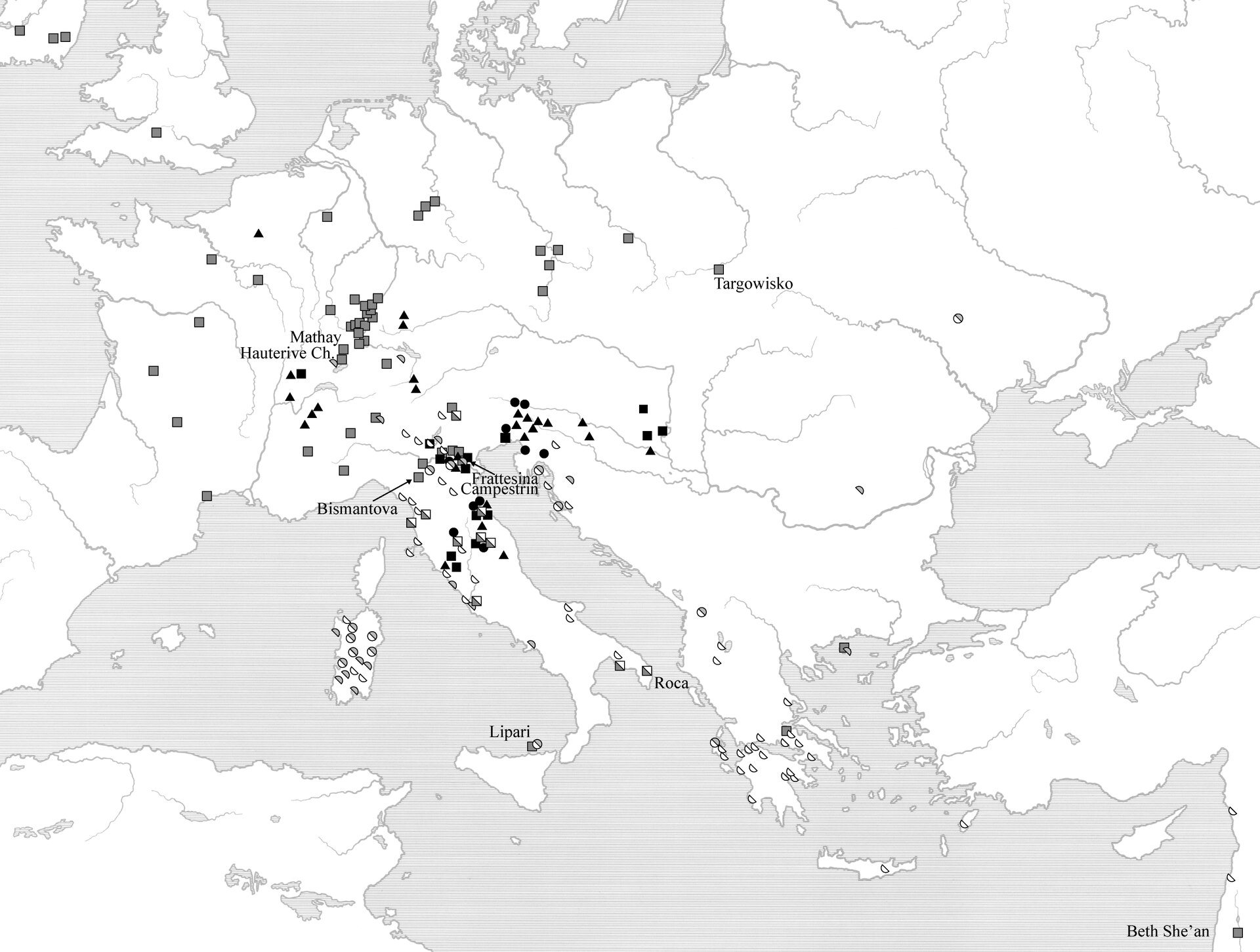
The mystery lies in the materials. Alongside what the land itself offered, amber, elephant ivory and ostrich eggs reached Frattesina. Materials that came from very far away, along routes linking the Po plain to the Mediterranean and central Europe. How they travelled, and in whose hands, is one of the questions that still drive research.
The most surprising find is the so-called "Tesoretto" (little treasure): ivory combs, glass and amber beads and bronze ornaments, gathered together. A small casket that speaks of this community's wealth and connections.
Not far away, the cemeteries of Le Narde and Fondo Zanotto hold hundreds of burials, almost all cremations. The grave goods, which differ between men, women and children, hint at an already complex society.
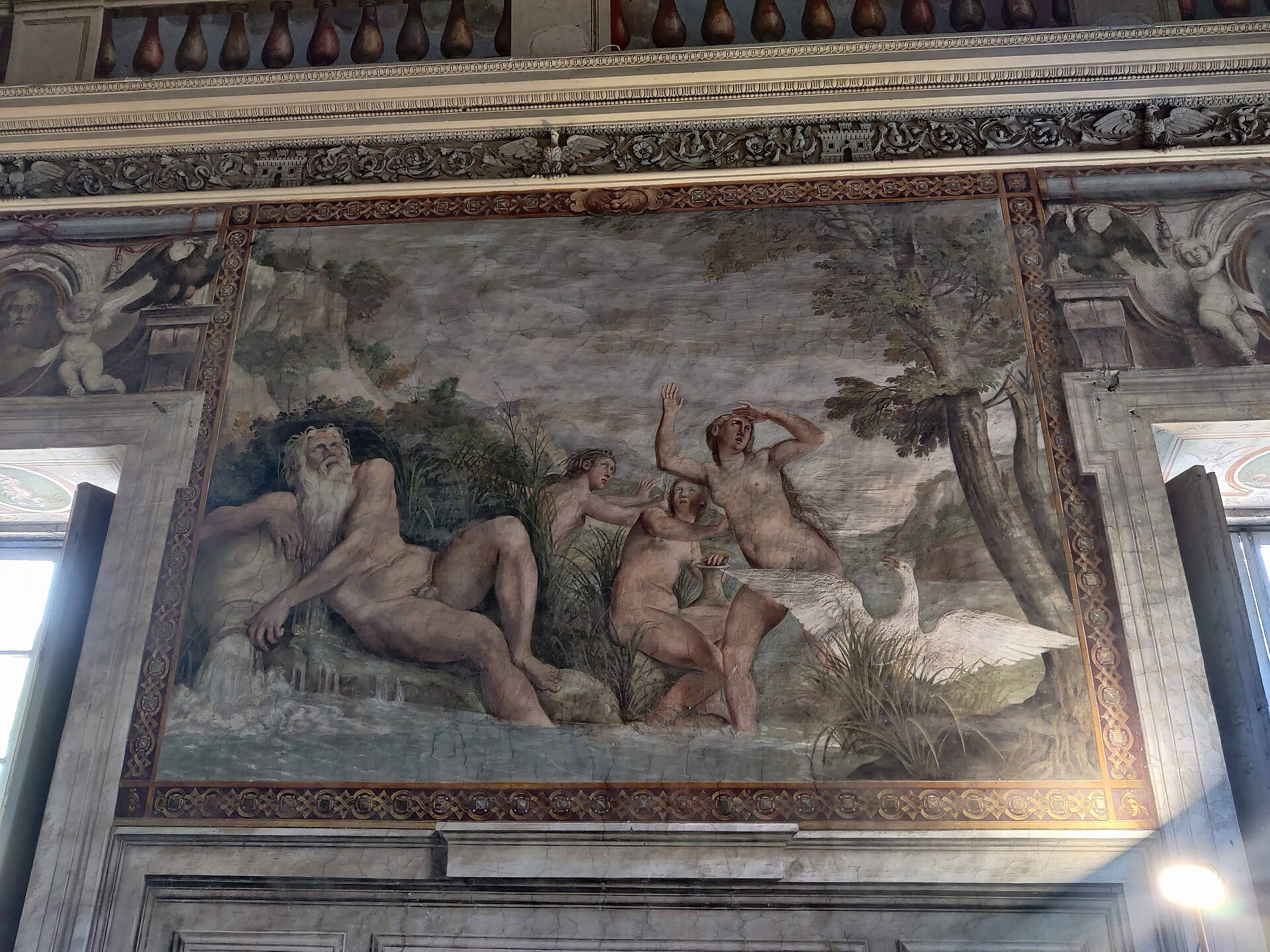
Some, looking at the amber of Frattesina, think of the myth of Phaethon and his sisters, the Heliades, whose tears on the banks of the Eridanus were said to turn into amber. The myth is much later and did not originate here. But it is tempting to imagine that, centuries before the Greek poets, amber really did pass from hand to hand on the Po.
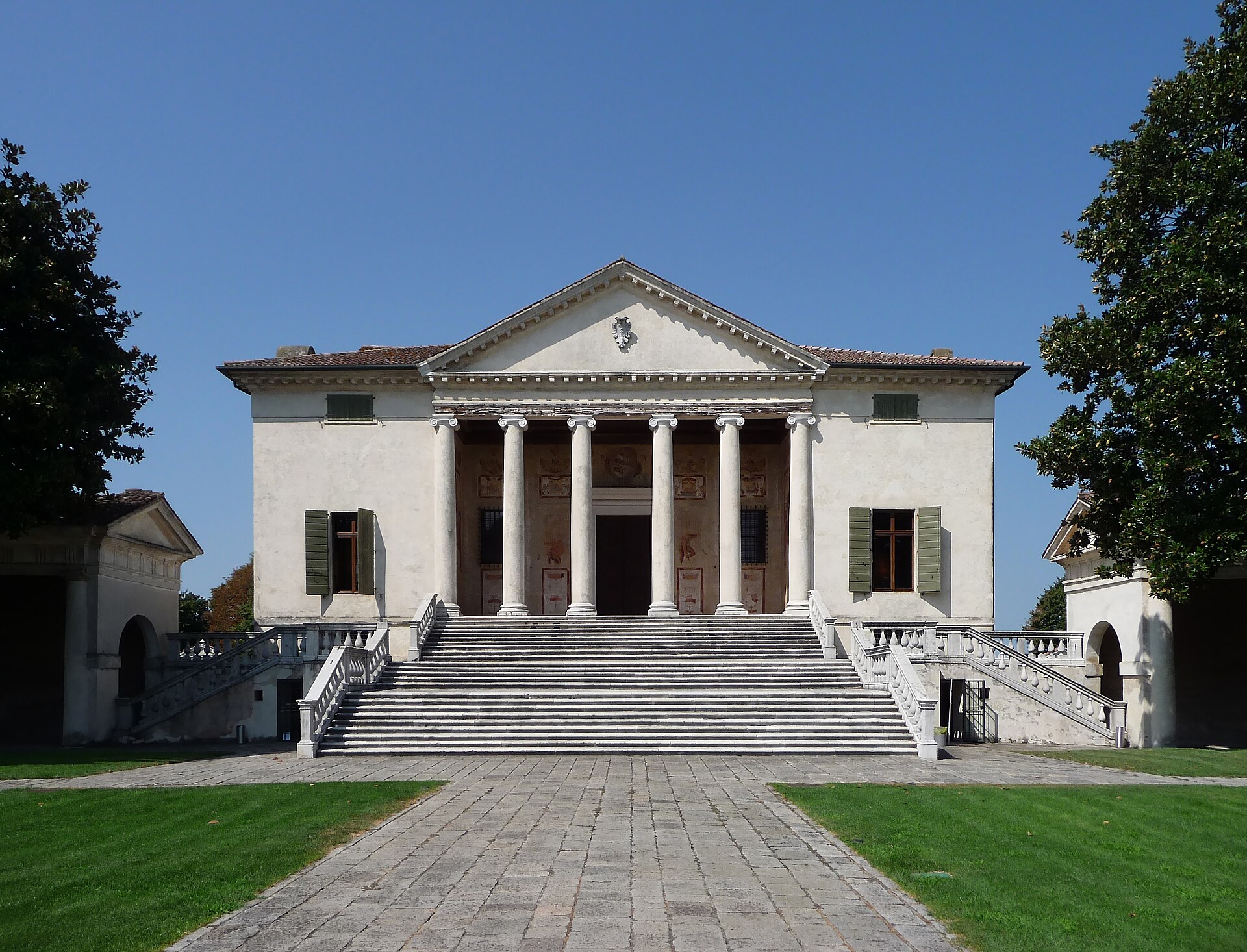
To see these finds you need to step into the north barchessa (farm wing) of Villa Badoer, Andrea Palladio's masterpiece in Fratta Polesine. Since 2009 it has housed the Museo Archeologico Nazionale: daily life in the Bronze Age on the ground floor, the cemeteries upstairs.