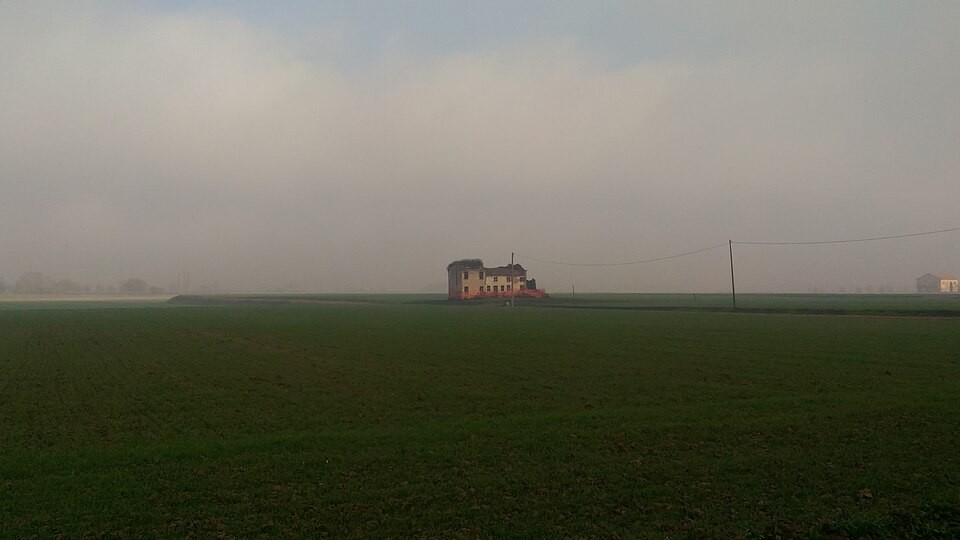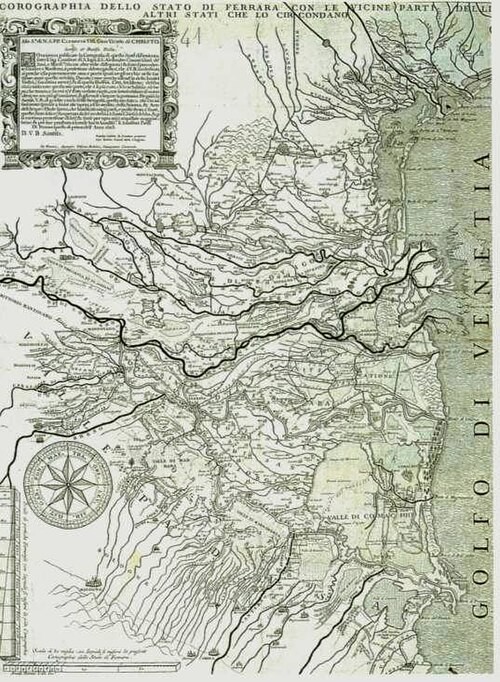
In 1926 Howard Phillips Lovecraft, the American master of cosmic horror, was leaving behind a very hard period in New York. What if, in that very year, he had crossed the ocean in search of inspiration in Italy? What if he had come all the way here, into the fogs and waters of the Po Delta?
That is the question behind one of the most curious ‘legends’ of today’s Polesine.
The story begins with a discovery. In Montecatini, a handwritten diary attributed to Lovecraft is said to have turned up: dozens of closely written pages describing a journey through Italy. In those pages one destination appears only as a mysterious initial: ‘L.’.
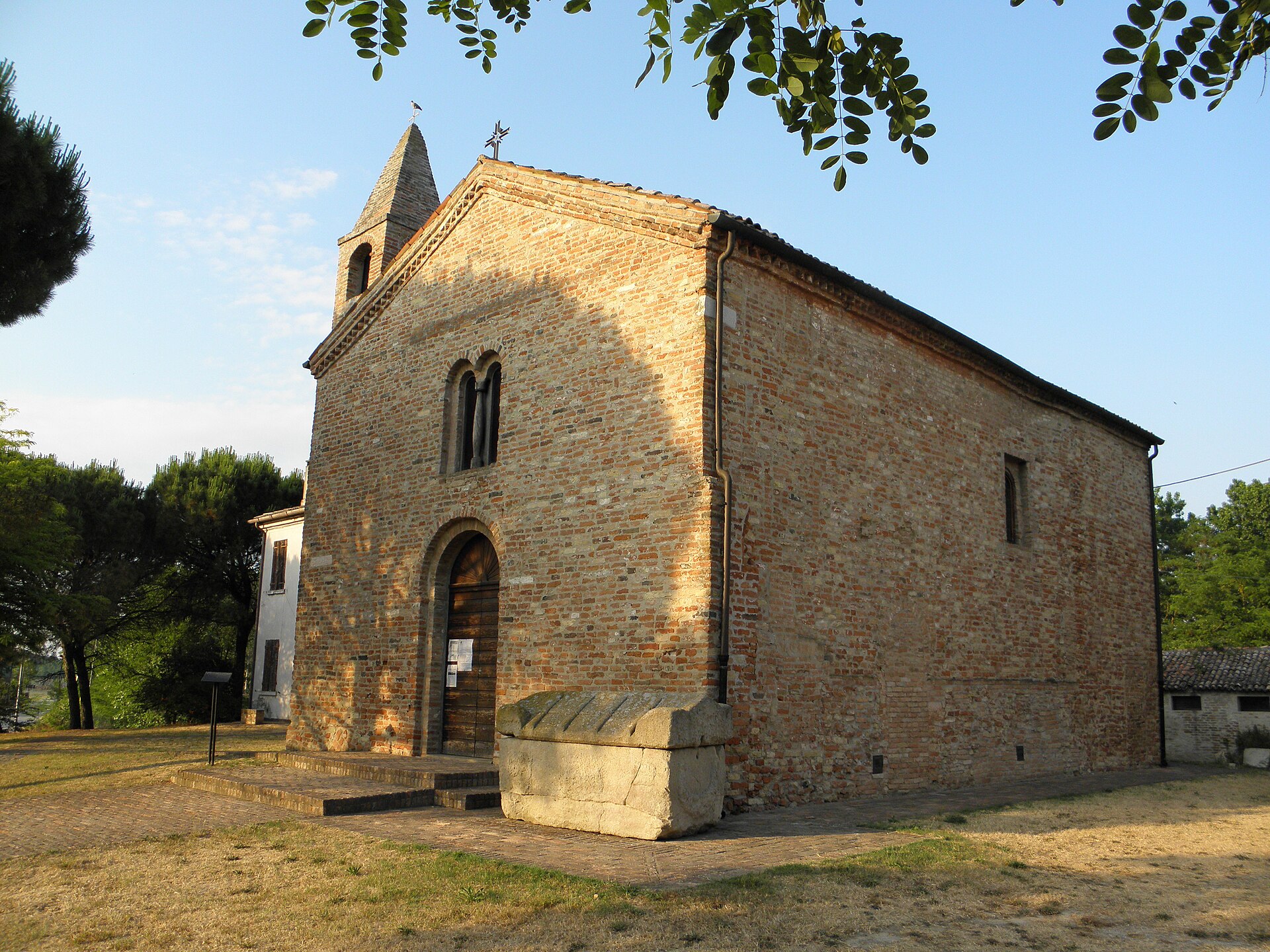
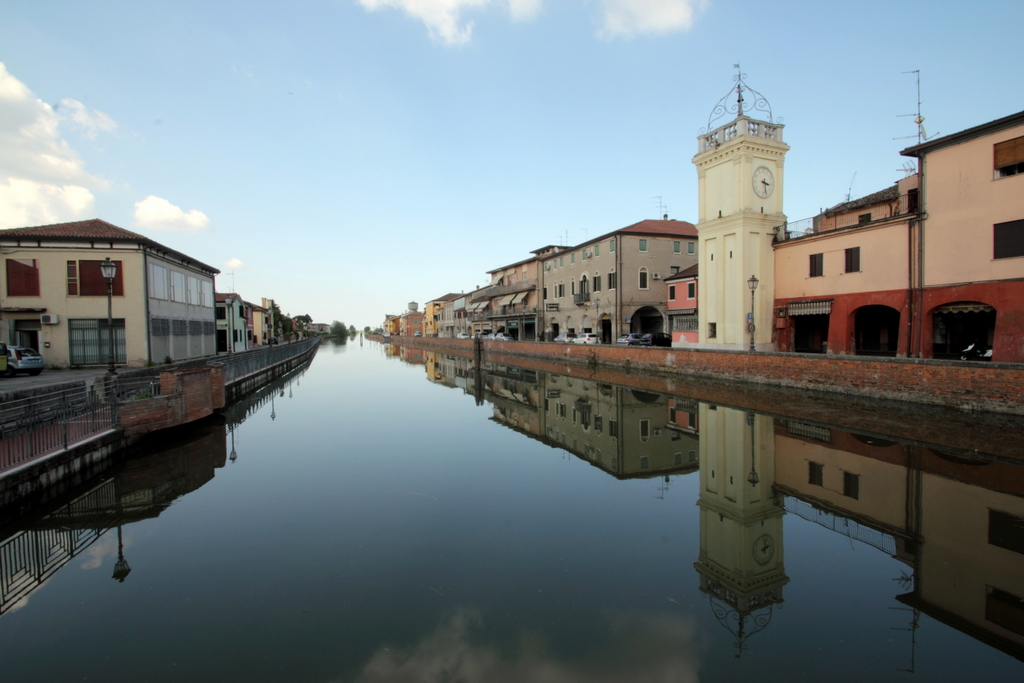
According to those who followed the trail, ‘L.’ would be Loreo, a small town in the Basso Polesine, the lower Polesine. The journey would also have taken in Santa Maria in Punta, where the writer supposedly discovered a local myth about a fish-man. It is impossible not to think of the people of Innsmouth, the famous fish-men of his stories.
From this trail came a documentary, presented at the Venice Film Festival in 2004, and a film: Il mistero di Lovecraft – Road to L., directed by Federico Greco and Roberto Leggio. The film follows a crew searching for proof of the journey. The characters venture into the villages of the Delta, interview the elderly, listen to stories of filò and superstition. And slowly they lose the boundary between reality and fiction.
And that is precisely the point. Road to L. is a mockumentary: a docufiction that openly shows how a story is built. The Montecatini diary is part of the game. The fish-man of Santa Maria in Punta is an element of the film, not a Polesine tradition. And there is no evidence at all of Lovecraft’s supposed journey to Italy.
So why tell it? Because the Polesine lent itself perfectly as the backdrop to a modern myth. Its oral tradition, its waterscapes and its fogs made the incredible believable. The film used real elements, such as the evenings of filò, to give weight to an invented story.
For a portal called Rovigo Segreta, it is the perfect story. It shows how easy it is to create a legend: a rediscovered document, an initial, a remote place, a few witnesses. And it proves how the Delta, even today, can still make people dream.
Next time someone tells you about an ‘age-old’ mystery, think of Loreo and its ‘L.’. And ask yourself where it really comes from.